Bangla Press Desk: Bangladesh has rejected "inaccurate figures and contested narratives" in Myanmar's latest statement on the Rohingya crisis and urged Naypyidaw to accelerate the identity verification for their committed repatriation.
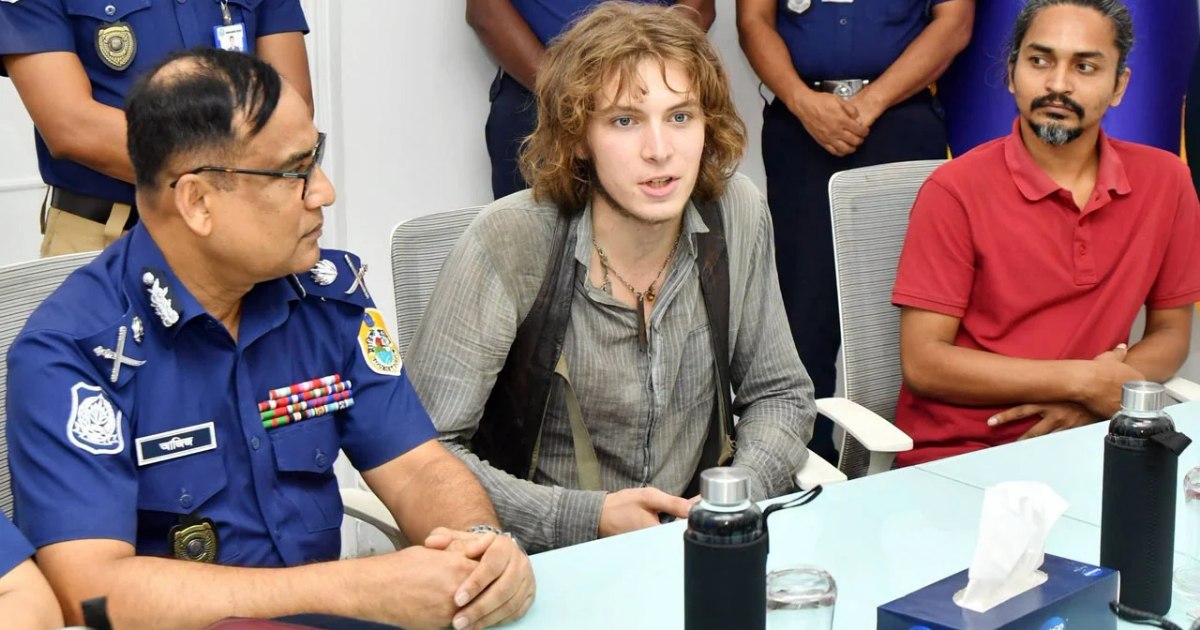
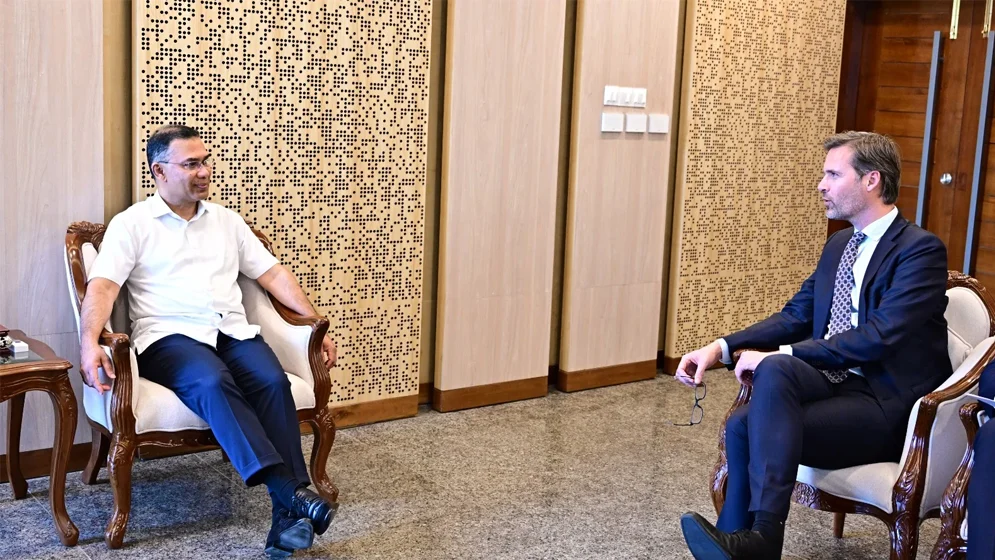
The concerns were raised Tuesday when Bangladesh's director-general on Myanmar affairs, Md Toufiq-ur-Rahman, met Myanmar's ambassador in Bangladesh, U Kyaw Soe Moe, at the foreign ministry in Dhaka.
The meeting convened after Myanmar's foreign ministry issued a statement on 15 August on the Rohingya issue. Bangladesh said the statement contained "erroneous statistics", including figures for the number of Rohingyas.
Toufiq-ur-Rahman told the ambassador that figures registered under the United Nations system reflected the more accurate size of the Rohingya population in Bangladesh shelters.
He also urged Myanmar to accelerate the verification process under existing bilateral arrangements.
Bangladesh wants the process to take account of children born in the refugee camps as well as people who have arrived from Rakhine State since the 2017 mass exodus.
Dhaka said it was registering those arrivals and would share information on people beyond the original caseload of 828,824 with Myanmar in due course.
The director-general also objected to the description of the Rohingyas as "Bengalis", arguing that they have their own ethnic identity, one that Myanmar authorities had recognised until recently.
The Myanmar ambassador assured Bangladesh that he would convey the concerns to his government and said Myanmar remained committed to speeding up verification so that the repatriation of verified Rohingyas could begin.
For Bangladesh, however, the issue goes well beyond the wording of diplomatic statements. The ultimate objective, Toufiq-ur-Rahman said, remained safe, dignified and voluntary return of the Rohingyas to Rakhine.
Speaking to reporters later in the day, state minister for foreign affairs Shama Obaid said Bangladesh did not agree with Myanmar's figures and made that position clear.
"Our Director-General (Myanmar) had a discussion with the Myanmar Ambassador," Obaid said. "It was discussed that regarding the statement made from Myanmar's end, there are some discrepancies in the numbers. Neither the Government of Bangladesh nor the Ministry of Foreign Affairs agrees with that."
She mentioned that Myanmar had begun a verification process, but it was moving too slowly.
"We urged that they expedite this verification process," she said, adding that Bangladesh wanted Rohingyas to return "safely and under normal, secure conditions".
The question of identity, she added, was non-negotiable. "They have their own identity, and they will return with that identity."
Shama described the discussion between the two sides as cordial, saying that the ambassador promised to convey Bangladesh's position to Naypyidaw.
But behind the diplomatic exchanges lies a problem that has become progressively harder to resolve. More than eight years after the mass displacement began in 2017, more than 1.0 million Rohingyas remain in Bangladesh, while the political and military situation in Myanmar's Rakhine State has become increasingly complicated.
She acknowledges that Bangladesh is now facing a far more difficult environment than it had in the early years of the crisis.
"If a solution had been reached in the first three or four years-when the situation across the border in Myanmar was not as complex-it might have been resolved," she said. "But as time passed, complications grew, and the problem intensified."
Bangladesh, she said, is seeking to increase international pressure on Myanmar, including through discussions at the United Nations General Assembly in September and by drawing on the International Court of Justice's proceedings concerning the Rohingya.
Dhaka is also attempting to navigate a more complicated political landscape inside Myanmar. The issue can no longer be addressed solely through the Myanmar government, she said, pointing to the role of the Arakan Army and the changing balance of power in Rakhine State.
"There is Rakhine State, there is the Arakan Army-we have to deal with multiple stakeholders," she said. "We must also remain sensitive regarding the matter."
The government is seeking support from regional and international powers, including China. Shama Obaid said Prime Minister Tarique Rahman had received assurances during his recent visit to China that Beijing would prevail on Myanmar for Rohingya repatriation.
She also referred to discussions with Sergio Gor, saying that Bangladesh had repeatedly stressed the need for international pressure on both the Myanmar government and the Arakan Army.
The diplomatic challenge is compounded by the sheer length of the crisis. What began in 2017 as a mass flight from a brutal military crackdown has become a protracted humanitarian and geopolitical problem, with no clear path to large-scale repatriation.
She criticised the approach of the previous Sheikh Hasina government, arguing that Dhaka had placed too much emphasis on a bilateral arrangement with Myanmar.
She contrasted this with the earlier repatriation effort during the presidency of Ziaur Rahman, when, she said, a tripartite arrangement involving the United Nations and broader support from the Organisation of Islamic Cooperation and other multilateral bodies had been more effective.
"There are strategic shifts," she said, arguing that the current BNP government was putting greater emphasis on international engagement.
Bangladesh's foreign minister, she noted, had previously served as defence chief during the interim period and had worked extensively on the Rohingya issue. Those initiatives, she said, were continuing under the present government.
The government's strategy now rests on a difficult balance: maintaining a working relationship with Myanmar while pushing for greater international pressure on the authorities in Naypyidaw and other actors controlling territory in Rakhine.
For Dhaka, the stakes are increasingly high. The longer the Rohingyas remain in Bangladesh, the harder their eventual return becomes, while the changing political and military landscape in Myanmar makes a negotiated solution more elusive.
"Merely playing on words or using diplomatic phrasing won't suffice," the state minister said. "It needs to be translated into action."
[Bangla Press is a global platform for free thought. It provides impartial news, analysis, and commentary for independent-minded individuals. Our goal is to bring about positive change, which is more important today than ever before.]

 E-paper
.jpg)
.jpg)