
Did the US trap Lebanon into a deal and allow Israel to occupy the southern region?

Bangla Press
Published: 01 July 2026, 03:27 AM
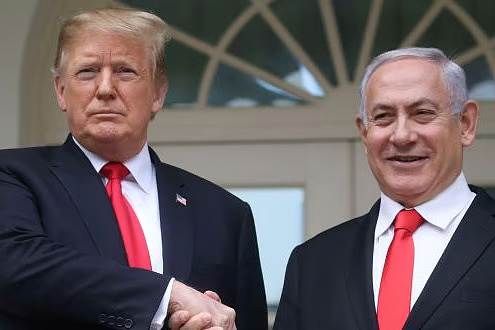
US President Donald Trump and Israeli Prime Minister Benjamin Netanyahu File Photo: Reuters
Bangla Press Desk: The security agreement signed between Israel and Lebanon risks prolonging the stalemate rather than resolving Israel’s core conflict with Hezbollah. The agreement stipulates that Hezbollah disarm as a condition for the withdrawal of Israeli troops from southern Lebanon. This has been called “unrealistic” by regional analysts and politicians.
The agreement is based on a compromise that is considered impossible to implement, because Hezbollah has already rejected disarmament and the Lebanese government has no power to enforce it.With Hezbollah unlikely to disarm, analysts say it gives Israel a political pretext to maintain a military presence in southern Lebanon indefinitely. Israeli forces launched an attack on Israel on March 2 after Hezbollah attacked Israel in solidarity with Tehran over its war with Iran. The deal, analysts say, has left the Lebanese state stuck in a situation where it has obligations it cannot fulfill and fears of not fully regaining its sovereignty.
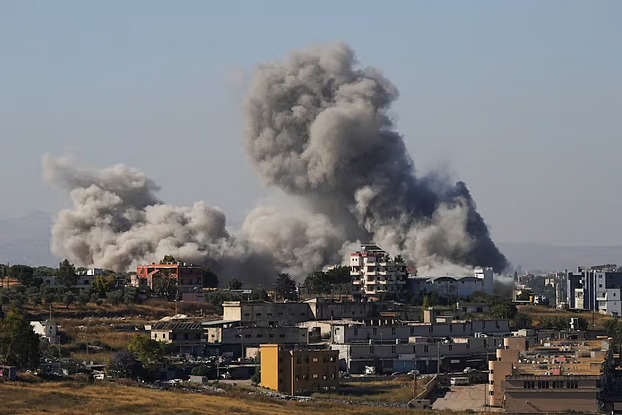
Moreover, the outline agreement also conflicts with the political reality of Lebanon. Lebanon’s fragile state, built on power-sharing in the post-civil war era, has been pitted against the country’s most powerful armed group.
A senior Lebanese politician, speaking on condition of anonymity, said that this was not an agreement, but an imposed truce. He added that the Lebanese army did not have the organizational or military capacity to disarm Hezbollah. Expecting the army to do so would mean ignoring Hezbollah’s strong military capabilities and the fragile sectarian balance that is the foundation of Lebanon’s stability.
A ‘burden’ on Lebanon
According to political analysts, this imbalance is hidden in the very structure of the agreement. While it imposes broad obligations on Lebanon, it does not provide any mutual guarantees for the withdrawal of Israeli troops.
Beirut-based analyst Michael Young said the deal had placed the entire burden on Lebanon. It had created a framework that would allow the Israelis to remain in southern Lebanon indefinitely.
The deal was “born out of the blue” and structurally flawed, said Fawaz Gerges, a Lebanese researcher at the London School of Economics and Political Science. It relied on a condition that was impossible to fulfill in practice.
Gerges said Israel has already established a buffer zone about 8–10 kilometers (5–6 miles) deep in southern Lebanon and has linked future troop withdrawals to Hezbollah's disarmament.
Gerges warned that the terms of the agreement could make the buffer zone long-term and give it diplomatic legitimacy, describing it as a political "gift."
The conflict in Lebanon is a central part of a broader diplomatic effort to end the US-Iran war. Gerges said Washington is deliberately separating the two conflicts to give Israel more freedom to act in Lebanon. Fears of civil war
The outline agreement, signed in Washington, confirms that Israel has no claims to Lebanese territory. However, the establishment of the Lebanese army's authority in the south is conditional on the complete disarmament of Hezbollah and other non-state armed groups.
Netanyahu is presenting the agreement as a historic achievement that could pave the way for greater peace. Israeli troops, on the other hand, are deployed in a so-called security zone. Israel claims that the zone was created to protect its northern territory from possible attacks.
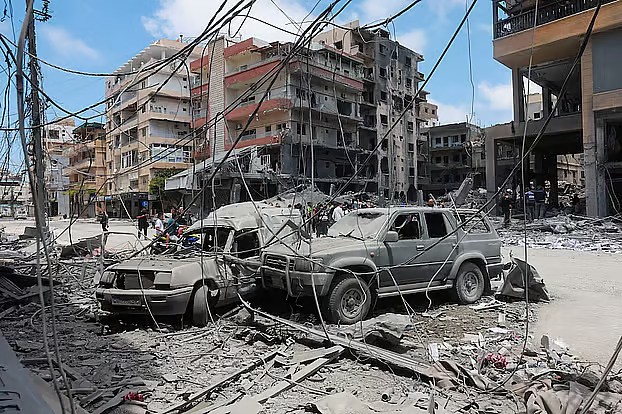
Israel's military campaign against Hezbollah has so far killed about 4,000 people in Lebanon and displaced another one million.
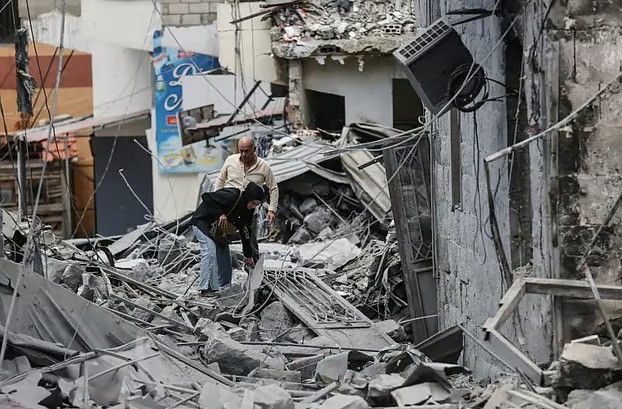
Lebanese President Joseph Aoun welcomed the deal as a first step towards restoring sovereignty, saying it would allow Lebanese citizens to return to their fully liberated lands.
However, Parliament Speaker Nabih Berri said it was a “unilateral directive agreement that does not protect Lebanese rights” and would not be implemented.
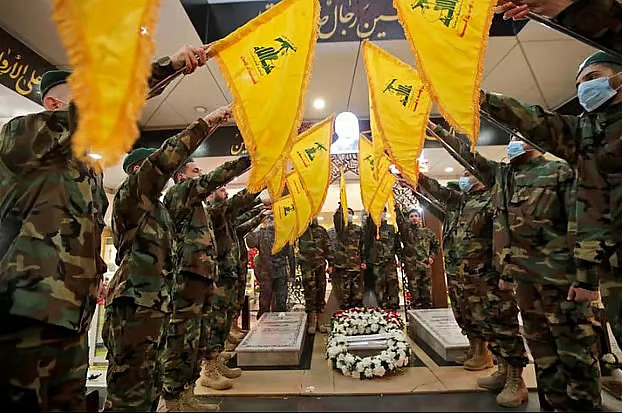
Hezbollah chief Naim Qassem declared the deal “null and void” and a “surrender.” He said his fighters would continue fighting until Israel was forced to leave. Hezbollah lawmaker Hassan Fadlallah warned of “internal conflict” in Lebanon.
Any attempt to forcefully disarm Hezbollah could further inflame sectarian tensions. "This deal will lead us nowhere but to civil war and possibly an insurgency by the Shia Muslim community," said analyst Michael Young.
Implementation questions
Danny Citrinovich, a regional analyst and former Israeli military intelligence officer, said Hezbollah's elimination was "a never-ending thing." The deal essentially legitimizes Israel's long-term military presence. "In reality, nothing will happen," he said. Israel will not retreat, and Hezbollah will not lay down its arms.
Citrinovich believes that it is impossible for an Israeli prime minister to make a political decision to withdraw troops while Hezbollah is armed and until displaced residents of northern Israel return home.
Citrinovich said that if there had been an agreement on more limited issues, such as moving Hezbollah north of the Litani River, increasing the presence of the Lebanese army, and expanding state authority, it would have been more likely to succeed.
Pro-Hezbollah analyst Mohammed Obeid also believes the agreement is unlikely to be implemented. He added that the clauses in the agreement are “like explosives” that could destabilize Lebanon’s internal stability because they depend on state action to disarm Hezbollah. Source: Prothom-alo
BP/TD
[Bangla Press is a global platform for free thought. It provides impartial news, analysis, and commentary for independent-minded individuals. Our goal is to bring about positive change, which is more important today than ever before.]
YOU MAY ALSO LIKE
International
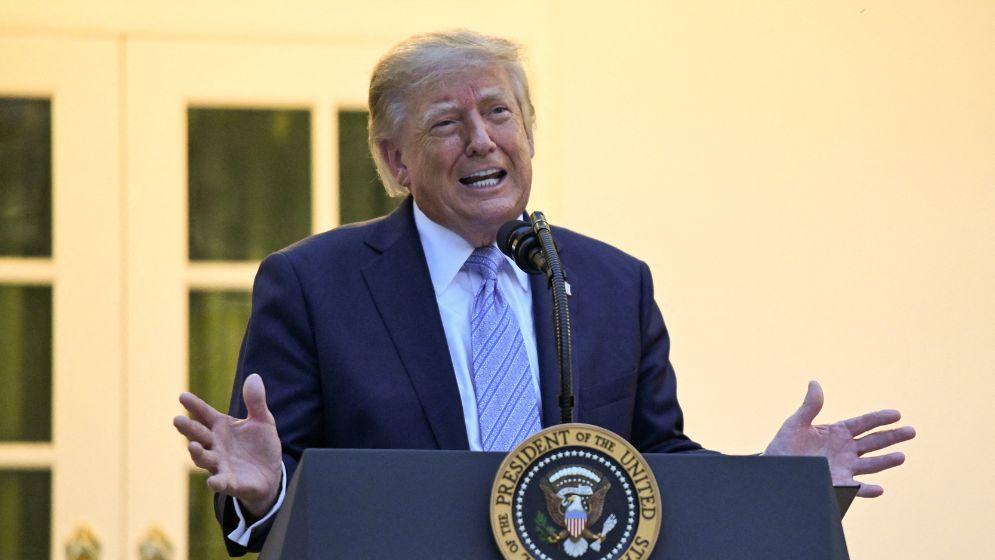
Trump Says Houthis Will Not Target US Amid Escalating Saudi Attacks
9 hours ago
by Bangla Press

International
Washington Post Reports Four More US Troop Deaths Than Pentagon Count
9 hours ago
by Bangla Press
International
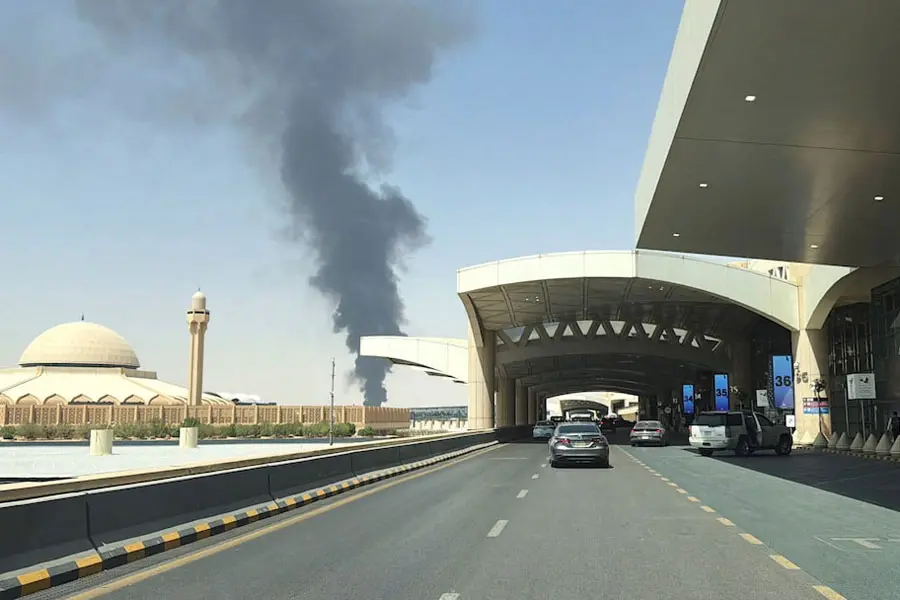
Riyadh Airport Area Sees Smoke and Flames Amid Houthi Attack Claim
17 hours ago
by Bangla Press
Sangeet Academy