

Foreign direct investment continues to decline

Bangla Press
Published: 19 December 2025, 11:44 PM
-694621ae76c6a.jpg)
Bangla Press Desk: According to media reports, investment has declined even from countries that Bangladesh’s officials have visited on official tours.
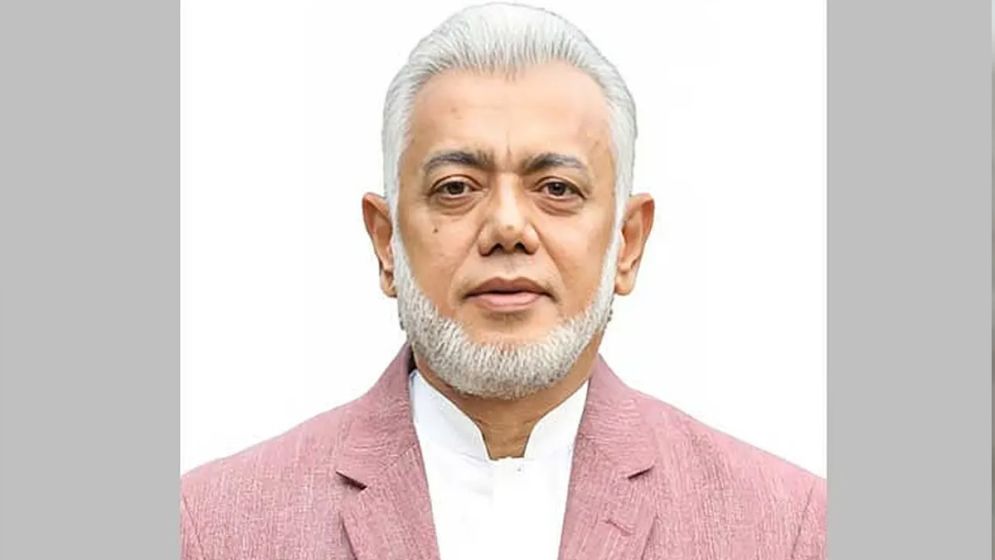
Details in those reports show that foreign direct investment (FDI) has fallen from almost every country visited recently by the executive chairman of the Bangladesh Investment Development Authority (BIDA), the agency tasked with promoting foreign investment.
The matter has raised concern because those countries also rank as Bangladesh’s main sources of FDI.
After his appointment as BIDA executive chairman in October 2024, Chowdhury Ashik Mahmud Bin Harun travelled abroad on state expense to several countries up to October this year.
Those visits included the United States, Japan, the United Kingdom, Qatar, China, Malaysia, Turkey and South Korea. Investment inflows from all of these countries have since declined.
Soon after assuming office, the interim government’s Chief Adviser, Prof Muhammad Yunus, appointed several close associates to key state positions, many of whom have backgrounds linked to local and international NGOs.
Critics say many of them rely on eloquent rhetoric to generate short-term public excitement. Among them is BIDA executive chairman Ashik Chowdhury, who also took charge of the Bangladesh Economic Zones Authority (BEZA) and initially announced an ambitious plan to attract $5.5 billion in investment and create 250,000 jobs in five special economic zones within two years.
Separately, BIDA organised an international investment summit in Dhaka from 7 to 10 April at a cost of several million taka.
Through polished presentations, officials claimed that Bangladesh could reach Singapore’s level of investment competitiveness by 2035.
However, since these announcements and overseas promotional tours, foreign investment in Bangladesh has continued to decline. Observers believe the downward trend will persist until a new political government, elected through a credible and acceptable election, takes office.
Questions have emerged over how officials who spend large sums of taxpayers’ money on overseas travel and deliver what critics describe as unrealistic promises would respond if asked to explain the continued fall in investment.
Many now question whether such officials feel a sense of responsibility towards the country and its people. Without that sense of accountability, confidence among investors remains weak.
Analysts warn that even if Bangladesh fails to attract new FDI, authorities must at least prevent existing investors from leaving, citing the recent withdrawal of Procter & Gamble as a cautionary example.
To prevent a severe collapse in the investment climate, several urgent steps have been proposed. Business leaders say local partners in joint ventures should reassure foreign companies of full cooperation under all circumstances and demonstrate that commitment in practice.
They also urge permanent officials in investment-related state institutions to work more proactively with existing foreign investors so that political uncertainty does not erode confidence.
They recommend that agencies such as BIDA, BEPZA, BEZA and the Bangladesh Hi-Tech Park Authority hold regular coordination meetings with companies under their jurisdiction to discuss concerns openly.
They also suggest that the Foreign Investors’ Chamber of Commerce and Industry (FICCI) organise investor conferences to gather feedback from foreign companies and relay their concerns to the government. The Federation of Bangladesh Chambers of Commerce and Industry (FBCCI) could take similar initiatives.
Others propose that the foreign ministry convene meetings with heads of diplomatic missions to assure them that Bangladesh will address any problems faced by foreign companies, with coordination from the industries and commerce ministries, the National Board of Revenue and other relevant agencies.
Experts also call for immediate directives from the Chief Adviser’s Office instructing all regulatory and promotional bodies to provide fast, harassment-free services to both new and existing foreign investors.
They further suggest that Bangladesh missions abroad communicate clearly with host governments to convey that the people of Bangladesh are striving to establish an elected and credible political government.
Both local and foreign investors now face an exceptionally uncertain and uncomfortable environment. Analysts argue that state officials should avoid making sensational claims about investment and instead focus on practical, objective support.
They stress that Bangladesh still holds significant potential for foreign investment, but realising that potential requires sustained political stability, which in turn depends on a free, fair, neutral and internationally accepted election.
BP/SP
[Bangla Press is a global platform for free thought. It provides impartial news, analysis, and commentary for independent-minded individuals. Our goal is to bring about positive change, which is more important today than ever before.]
YOU MAY ALSO LIKE


Business
Government rolls out AVS for safer savings certificate transactions
4 days ago
by Bangla Press


Sangeet Academy