Powers Trump would lose if he suffers a defeat in the midterm elections
Bangla Press
Published: 03 November 2026, 09:21 AM
SHARE
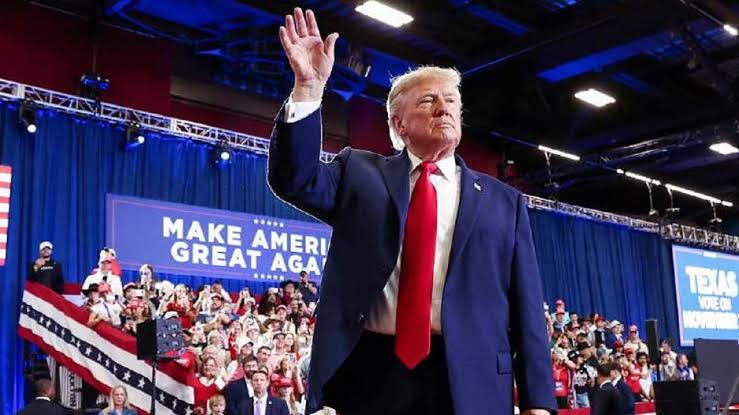
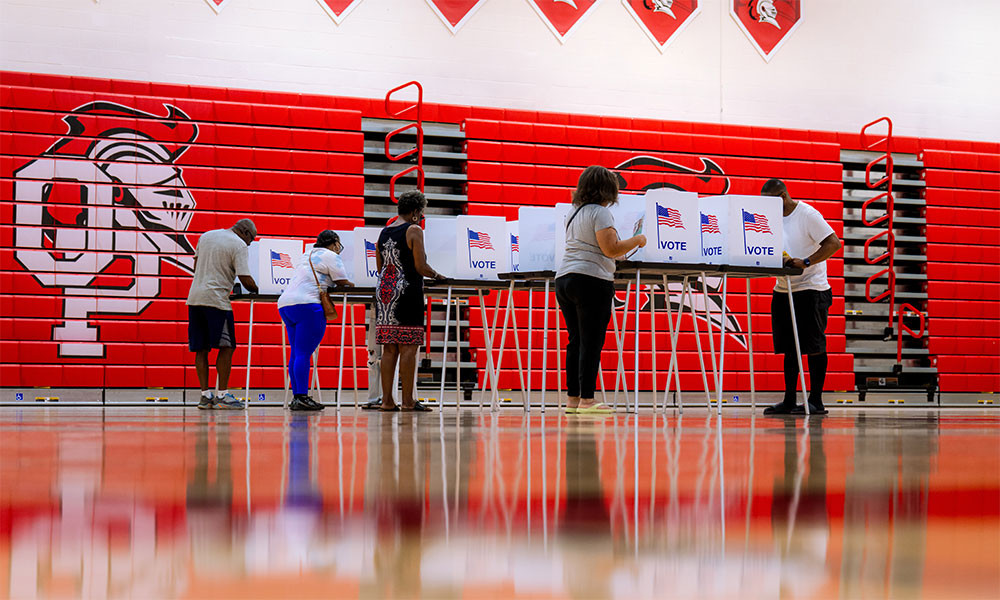
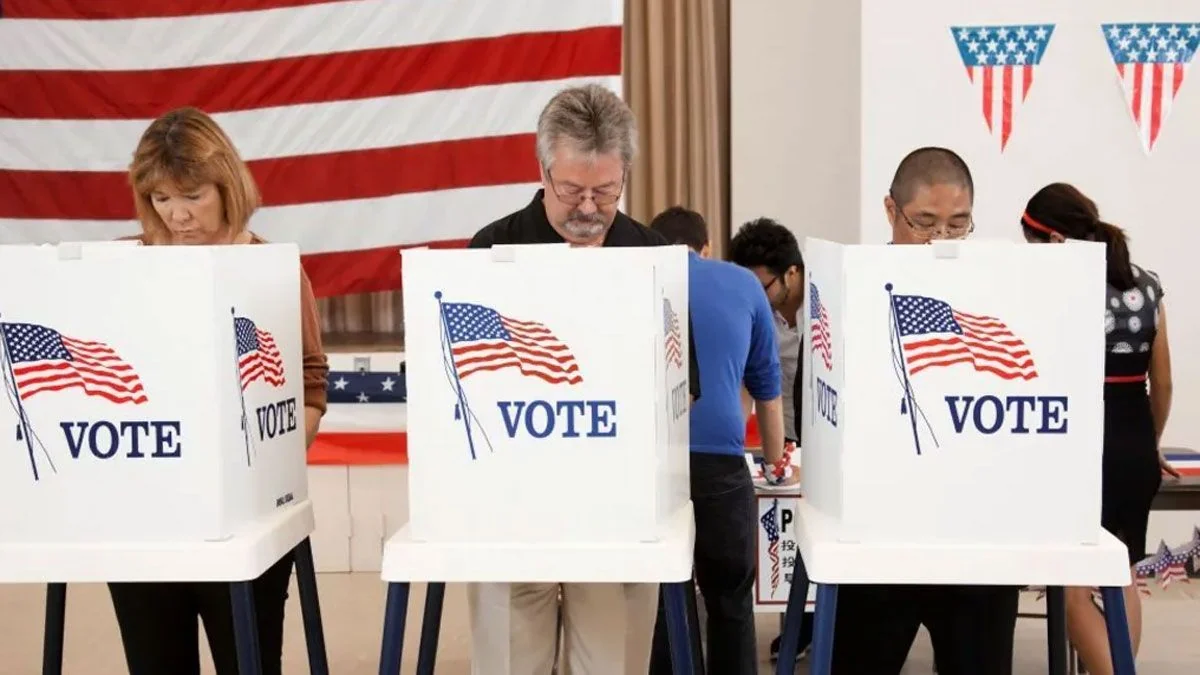
Bangla Press Desk: If the Republican Party loses control of one or both chambers of Congress in the U.S. midterm elections, President Donald Trump could face significant political challenges. While this would not directly strip him of his presidency or his constitutional executive powers, his administration could encounter obstacles in enacting legislation, approving budgets, making administrative appointments, and implementing various policies. The midterm elections, taking place on Tuesday (November 3), are viewed as a critical political test for the Trump administration. A weakened position for the Republicans would increase the influence of the Democrats in Congress, potentially leading to heightened scrutiny of the President’s decisions and the administration’s actions.
The U.S. Congress consists of two chambers: the House of Representatives and the Senate. Losing control of either chamber carries distinct political and administrative consequences; therefore, the extent of the pressure Trump faces will depend on the number of seats each party secures in the election. What happens to Trump if he loses control of Congress? Currently, the Republicans hold a majority in both the House of Representatives and the Senate. According to a Reuters report, Republicans hold 218 seats in the House of Representatives compared to 214 for the Democrats, while in the Senate, Republicans hold 53 seats against 47 for the Democrats. In this scenario, losing control of Congress could present several major challenges for the Trump administration: 1. Increased investigations and oversight of the administration If the Democrats gain control of the House of Representatives, they will have greater opportunities to investigate the decisions and actions of the Trump administration. By taking charge of various congressional committees, the new majority party would be able to scrutinize the administration’s policies, government spending, and the operations of various federal agencies. These committees could also subpoena government documents and compel relevant officials to appear for hearings. Consequently, Trump’s cabinet members, advisors, and top administration officials could face regular demands for accountability. 2. Risk of Impeachment Losing control of the House of Representatives could increase the risk of impeachment proceedings against Trump. This is because, under the U.S. Constitution, the power to initiate impeachment charges against a president lies solely with the House of Representatives. However, the passage of an impeachment resolution does not automatically force a president to leave office. Once a resolution passes the House by a simple majority, the matter moves to the Senate for a trial. To convict the president and remove him from office, a two-thirds majority of the senators present is required. In other words, even if Democrats hold a majority in the House of Representatives, that alone is not enough to remove Trump from the presidency. 3. Increased Tensions Over the Budget and Government Spending Congressional funding plays a crucial role in the implementation of the Trump administration’s policy agenda. Congress holds the authority to approve funding for the operation of government agencies, the defense sector, and various development and administrative programs. If Democrats gain control of one or both chambers, they will be able to negotiate the administration’s budget proposals. They could even impose conditions on funding for specific programs or block the allocation of funds altogether. If the two sides fail to reach an agreement, a stalemate over government funding could arise in 2027, increasing the risk of a partial government shutdown. 4. Obstacles to the Appointment of Judges and Key Officials The president nominates individuals for various high-level positions, including judgeships in federal courts and the Supreme Court. However, these appointments require Senate confirmation. The Senate’s consent is also necessary for the appointment of many top officials, including key members of the Cabinet. If Democrats secure control of the Senate, they could block Trump’s nominees or prolong the confirmation process. This could lead to increased political bargaining over appointments to critical administrative positions. 5. Difficulty in Passing New Legislation The enactment of new legislation is essential for implementing the Trump administration’s political and economic agenda. However, in the United States, for a bill to become law, it generally requires approval from both the House of Representatives and the Senate. If the Democrats gain control of Congress, various bills proposed by Trump could be blocked. Conversely, lawmakers from the opposition party could initiate the passage of new legislation that aligns with their own political priorities. Nevertheless, the President’s veto power remains intact. If the President exercises a veto, it cannot be overridden without the support of two-thirds of the members in both chambers of Congress. 6. Increased friction over tariffs, immigration, and foreign policy The Trump administration’s policies on tariffs, immigration control, and foreign affairs could become sources of conflict with Congress. While the President possesses executive authority in these areas, the implementation of many decisions requires legislative and financial support from Congress. If the Democrats secure control of Congress, they could hold hearings, conduct investigations, and take budgetary actions regarding these policies. Furthermore, they might attempt to exert control over certain decisions made by the Trump administration by enacting new legislation. However, losing control of Congress does not mean that Trump’s tariff or immigration policies would be immediately overturned. The President would retain the authority to make many decisions concerning foreign policy and the executive branch. 7. The final two years of the term could be marked by political conflictIf
the Republicans lose control of either or both chambers of Congress in the midterm elections, the final two years of Trump’s second term could become significantly more challenging than the preceding period. Should the Democrats gain control of the House of Representatives, oversight and investigations into the administration are likely to intensify. Losing control of the Senate, meanwhile, would create new complications regarding the confirmation of judicial nominees and key administration officials. If the Republicans lose control of both chambers, Trump could face major political obstacles in enacting legislation, securing budget approvals, and implementing administrative decisions. According to William Galston, an analyst at the Brookings Institution, securing control of the House would allow Democrats to leverage their authority to conduct oversight and investigations into the administration’s activities—a development that could further escalate tensions between the White House and Congress. Ultimately, a defeat in the midterm elections would not immediately end Trump’s presidency or his executive powers. However, the loss of control over Congress would narrow the path for implementing his political agenda. At the same time, the opposition party’s influence—through oversight, investigations, and the legislative process—would increase substantially. BP/TD
[Bangla Press is a global platform for free thought. It provides impartial news, analysis, and commentary for independent-minded individuals. Our goal is to bring about positive change, which is more important today than ever before.]
Comments (0)
Join the Conversation
Please log in to share your thoughts and engage with other readers.

 E-paper