

Ramadan market control biggest test

Bangla Press
Published: 18 February 2026, 02:13 AM
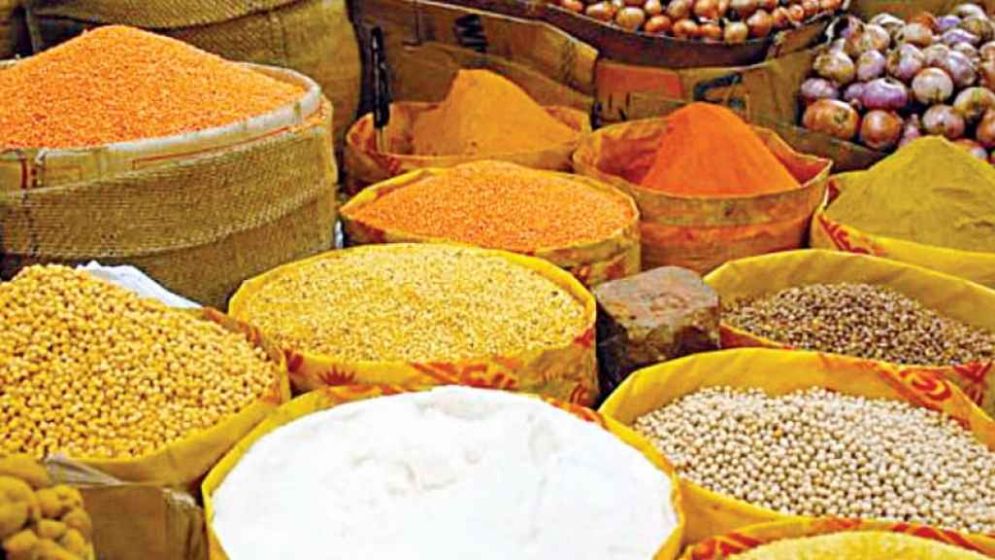
Bangla Press Desk: The new government faces its first major test as it takes office ahead of Ramadan, with market control emerging as the most sensitive issue for citizens. Authorities must break entrenched syndicates and ensure price stability to ease public anxiety over essential commodities.
The Bangladesh Nationalist Party returned to power after two decades and formed the government on Tuesday following a landslide victory in the 13th parliamentary election on 12 February. The holy month of Ramadan now approaches, increasing pressure on policymakers to keep prices stable.Officials say they have taken advance measures to manage the situation. The government has imported nearly 40 per cent more essential goods than last year and continues to monitor the stock and supply of Ramadan-related items such as sugar, edible oil, chickpeas, lentils and dates.
However, past experience shows that official claims of “adequate stock” often fail to reflect clearly in retail markets. Consumers continue to express scepticism over whether increased imports will translate into stable prices.
To reduce pressure on low-income groups, the government has expanded the activities of the Trading Corporation of Bangladesh. The Commerce Ministry says it will almost double the number of open-market truck sales, increasing access to subsidised goods in urban areas. Analysts warn that areas without such sales may still face higher market prices.
In agricultural produce, seasonal output and transport costs largely determine prices. Farmers may sell aubergines at Tk40 per kilogramme, yet retailers in cities charge between Tk120 and Tk150, highlighting structural weaknesses in the supply chain. Middlemen and a lack of transparency continue to influence pricing, though the Commerce Ministry promises stricter monitoring this year.
Market analysts note that the interim administration completed much of the Ramadan-related imports and stockpiling. While sudden price hikes at the start of Ramadan may not fall entirely on the new government, the public will closely watch how it maintains stability in the coming weeks.
AHM Shafiquzzaman, president of the Consumers Association of Bangladesh, said the challenge remains significant but manageable. He urged the government to prioritise coordinated market management, ensure supply, prevent artificial shortages, conduct regular oversight and maintain transparency to achieve positive results.
SM Nazer Hossain, vice-president of the organisation, described the timing as a major test. He said firm action against unfair practices would strengthen public confidence.
Commerce Secretary Mahbubur Rahman said authorities had taken coordinated preparations to maintain normal supply and prevent unreasonable price hikes. He confirmed sufficient public and private stocks and assured swift port clearance. He also warned that authorities would act immediately against any attempt to create artificial shortages.
Government data show that annual edible oil demand stands at 2.5 million tonnes, with around 300,000 tonnes required during Ramadan. Local production accounts for 500,000 tonnes, while imports and pipeline supplies cover the rest. Officials present similar supply data for lentils, sugar, onions and chickpeas, noting that local onion production exceeds demand.
Visits to several markets in the capital show that prices of many essentials have already increased. Over the past two days, aubergines have risen from Tk60 to between Tk90 and Tk120 per kilogramme. Green chillies now sell at Tk200 to Tk240 per kilogramme, up from Tk160, while cucumbers have climbed to Tk100 to Tk120 from Tk80. Prices of most vegetables have also increased.
Chickpeas sell at Tk100 to Tk110 per kilogramme, soybean oil at Tk195, fine lentils at Tk170 to Tk180, coarse lentils at Tk120 to Tk130 and local onions at Tk60 to Tk70. Broiler chicken sells at Tk190 to Tk200 per kilogramme, eggs at Tk110 to Tk120 per dozen and sugar at Tk100 to Tk105 per kilogramme. Lemon prices have surged sharply, with small lemons selling at Tk80 to Tk100 per four and larger ones at Tk120 to Tk160.
Vegetable trader Md Milon Khan at Joarsahara market said sellers had raised prices of key iftar items by Tk30 to Tk50 per kilogramme over the past two days.
Analysts say the government must dismantle syndicates and enforce accountability across the supply chain. Regular monitoring, visible penalties and coordinated policies will determine whether authorities can stabilise the market during Ramadan.
Despite official claims of adequate stock, the real test will begin in the first week of Ramadan. Smooth supply, price control and trader accountability will define the success of the government’s first Ramadan in office.
Source: daily Sun
BP/SP
[Bangla Press is a global platform for free thought. It provides impartial news, analysis, and commentary for independent-minded individuals. Our goal is to bring about positive change, which is more important today than ever before.]
YOU MAY ALSO LIKE
.jpg)
.jpg)
Bangladesh
5 arrested in connection with the leaking of Youth Development exam questions
6 hours ago
by Bangla Press

.jpg)
Sangeet Academy