
The number of mobile users in the country has surpassed 190 million.

Bangla Press
Published: 17 October 2026, 06:22 AM
.jpg)
Bangla Press Desk: The use of the internet and mobile phones is on the rise in Bangladesh. The internet usage rate among individuals aged five years and older has climbed to 59.2 percent. Simultaneously, the number of mobile subscribers in the country has surpassed 190 million. However, while individual internet usage has increased, the rate of internet access at the household level has declined. Furthermore, computer usage remains below 12 percent.
These findings are drawn from the fourth-quarter report of the ‘Survey on ICT Use and Application 2025-26,’ conducted by the Bangladesh Bureau of Statistics (BBS), as well as data from the Bangladesh Telecommunication Regulatory Commission (BTRC).
According to the BBS report, the internet usage rate among individuals aged five and older reached 59.2 percent during the April–June period of 2026, up from 55 percent during the same period the previous year. Over the same timeframe, the mobile phone usage rate rose from 88.2 percent to 89.6 percent, while smartphone usage increased from 74.8 percent to 75.1 percent.
Mobile phone ownership is nearly universal at the household level, with approximately 99 percent of households possessing a mobile phone. Of these, 98.2 percent of households rely exclusively on mobile phones—a slight increase from 98.1 percent the previous year.
Data from the BTRC indicates that between January and August 2026, the total number of internet subscribers in the country grew from 128.99 million to 137.66 million—an increase of 8.67 million subscribers. The internet penetration rate also rose from 73.28 percent to 77.89 percent.
By August, the number of mobile internet subscribers reached 122.26 million. Meanwhile, the number of broadband subscribers—accessing the internet through Internet Service Providers (ISPs) or the Public Switched Telephone Network (PSTN)—increased from 14.77 million to 15.4 million.
Additionally, the adoption of fourth-generation (4G) technology within mobile networks continues to grow. In January, the number of 4G subscribers stood at 113.49 million, which increased to 122.71 million by August. Conversely, the number of third-generation (3G) subscribers declined from 2.12 million to 1.05 million.
Combined, the number of 3G and 4G users pushed the mobile broadband penetration rate up from 57.70 percent to 61.94 percent.
According to BTRC data, the total number of mobile subscribers in the country reached 191.09 million in August, up from 185.8 million in January—an increase of 5.29 million subscribers over eight months. During the same period, the overall teledensity—encompassing both voice and internet services—rose from 105.71 percent to 108.27 percent.
While the use of digital services has grown, there remains a gap in the ownership of personal devices. A survey by the Bangladesh Bureau of Statistics (BBS) indicates that although 89.6 percent of people use mobile phones, only 65.6 percent own one—a slight increase from 64.2 percent the previous year. This suggests that a portion of users rely on phones owned by others.
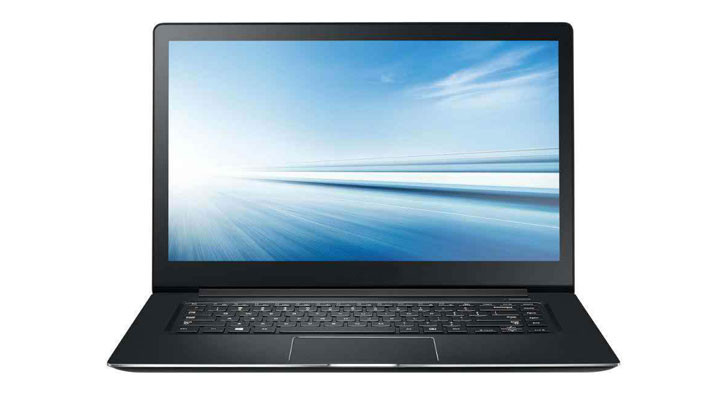
The picture for computer usage is also not particularly encouraging. At the individual level, the rate of computer usage rose marginally from 11.6 percent to 11.8 percent. Meanwhile, at the household level, the rate of computer ownership fell from 9.2 percent to 9.1 percent.
Furthermore, the rate of internet usage at the household level declined from 59.7 percent in the previous year to 58.2 percent. The contrast between rising individual internet usage and declining household-level access highlights a clear disparity in the adoption of and access to digital services.
The use of fixed-line (landline) telephones is also on the decline; in the most recent quarter, only 0.7 percent of households possessed a fixed-line telephone, down from 0.9 percent during the same period the previous year.
This survey is being conducted under the BBS project titled "Measuring ICT Access and Usage at the Individual and Household Levels by District." This survey employs a computer-assisted personal interviewing (CAPI) method. For the first time, this survey includes district-level estimates.
Data is collected each quarter from 2,568 sample areas. With 24 households included in each area, a total of 61,632 households are covered per quarter. Annually, data is gathered from an aggregate of 246,528 households.
Following the 2024–25 survey, the 2025–26 survey represents the second phase of this series. Data from this survey will be utilized for formulating ICT-related policies, submitting reports to the International Telecommunication Union (ITU), and monitoring the Sustainable Development Goals (SDGs). It incorporates 22 indicators for the purpose of tracking progress toward the Sustainable Development Goals.
BP/TD
[Bangla Press is a global platform for free thought. It provides impartial news, analysis, and commentary for independent-minded individuals. Our goal is to bring about positive change, which is more important today than ever before.]
YOU MAY ALSO LIKE
Bangladesh
Nearly 29 percent of highly educated youth in Bangladesh are unemployed: IMF
1 hour ago
by Bangla Press

Bangladesh
114 flights from Dhaka to Saudi Arabia cancelled; 17,701 passengers left in uncertainty
1 hour ago
by Bangla Press
Bangladesh
The Constitution is obligated to ensure the security of followers of all religions: Home Minister
18 hours ago
by Bangla Press
.jpg)
Bangladesh
Bangladesh to seek the return of Sheikh Hasina during talks with India
18 hours ago
by Bangla Press
.jpg)
Sangeet Academy