Bangla Press Desk: Highlighting the absence of dust on Japanese streets and the strict adherence to laws—a testament to the nation’s discipline and cleanliness—Prime Minister Tareque Rahman shared his experiences from Japan. He discussed how a country can remain clean and orderly through well-planned urban infrastructure, civic awareness, and the proper enforcement of laws.
This reality in Japan could serve as a valuable lesson for Bangladesh. During the event, the Prime Minister shared his vision with the expatriate community to transform Dhaka into a clean city, much like Tokyo.
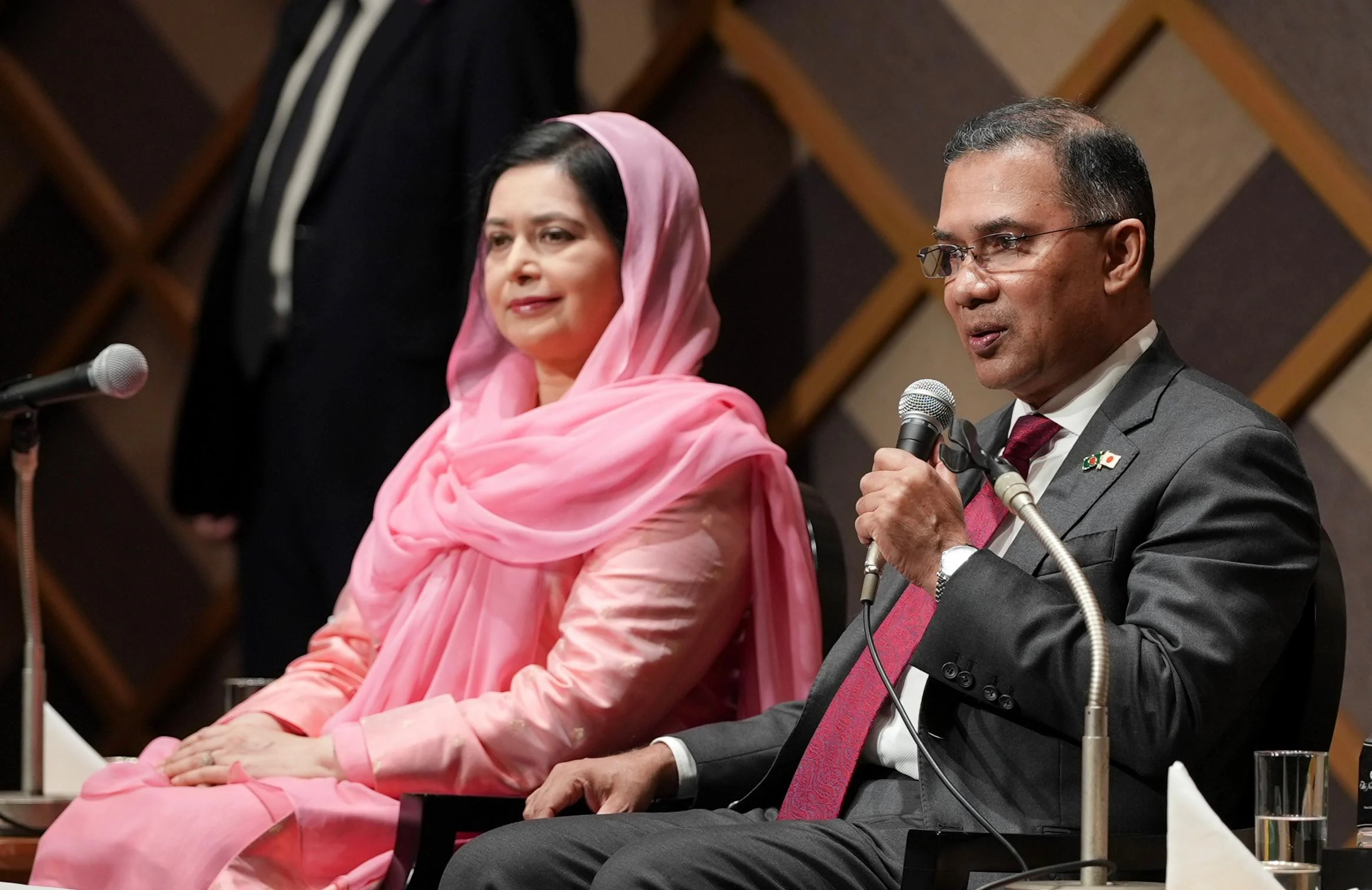
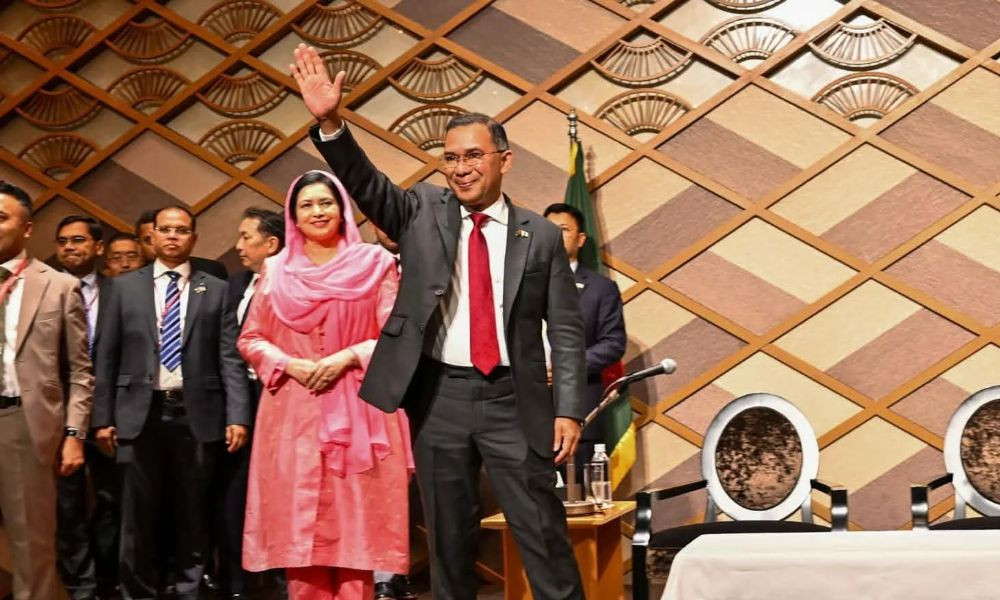
He expressed these intentions on Wednesday evening (October 28) at an interactive session with the Bangladeshi expatriate community, organized by the Bangladesh community at ‘Hotel New Otani’ in Tokyo. During the session, the Prime Minister also responded to various questions from the attendees.
He outlined his plans regarding several key areas, including Japanese language education, healthcare, the holistic development of children—incorporating sports and other activities—initiatives to facilitate business and commerce, the revival of closed industrial units, investment, and the creation of employment opportunities. Tarique Rahman said, “Today, I asked someone who accompanied us, ‘How did you find Tokyo?’ They replied, ‘I didn’t see any trash on the streets, whereas in Dhaka, there is trash everywhere.’ You may have seen in the news or on social media that we are making an effort to clean up Dhaka and the entire country. There is a lot of waste accumulating everywhere. We frequently see reports that the air in Dhaka is heavily polluted. Our goal is to improve the situation—to filter the air and plant trees in various locations.”
He continued, “There is so much waste and filth across the country that people will eventually fall ill. When trash accumulates, it breeds germs that cause disease, leading to illness. To keep people healthy, we must clean the environment and ensure that waste is properly removed. Have you heard any other political party—besides the BNP—discussing this or presenting such a plan? None have.”
Describing the creation of clean cities for the general public as a key reform, he stated, “People are struggling to walk due to the accumulation of waste, falling ill because of it, and suffering from the country’s polluted air. What could be a better reform than this?”
He added, “To me, any measure that ensures the health of the nation’s people is a significant reform. If we choose to, we can make Dhaka as clean as Tokyo—as clean as cities in Japan.”
He further remarked, “Efforts are being made to prevent the BNP from implementing reforms that would directly benefit the most marginalized people. To everyone present here, and to those watching or listening via cameras or online—regardless of your political affiliation—I say this: dear Bangladeshi brothers and sisters, if I am able to carry out these reforms, you and your children will benefit and enjoy a better life.”
He then asked, “So, what about those who are trying to obstruct these efforts? Whom will you choose to support? That is why I am asking for your support. I am not talking about votes…” "...Please support our efforts if you believe we are on the right path, so that we may carry out this work."
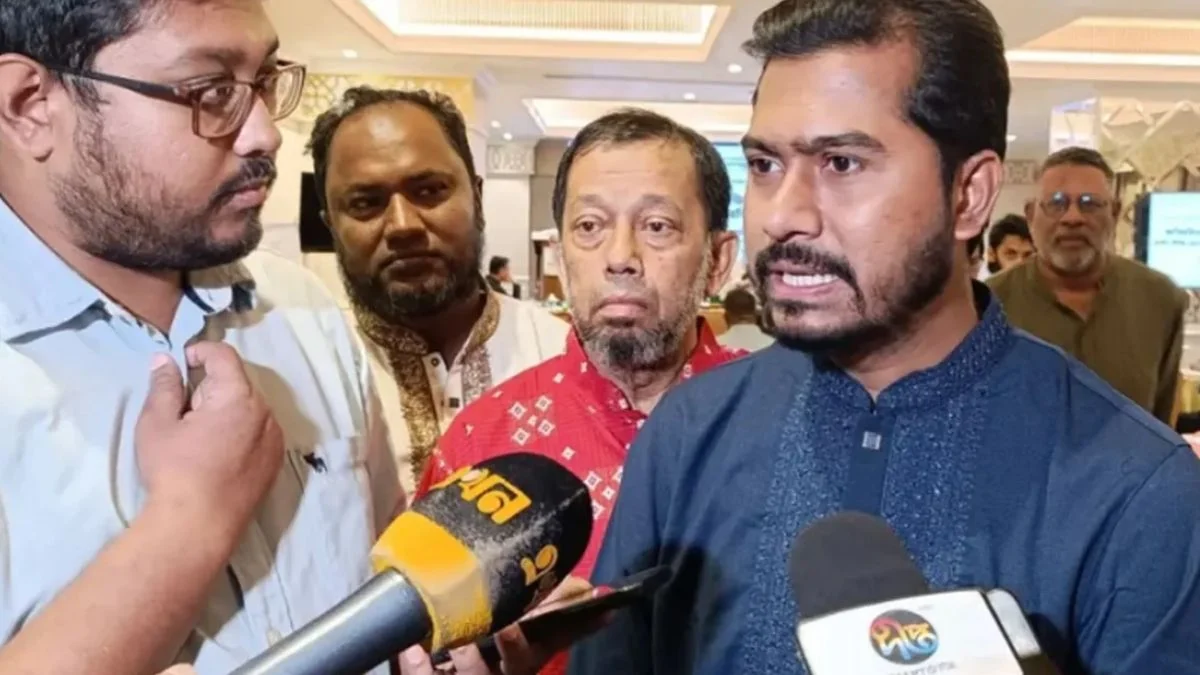
Addressing the mockery directed at Md. Tareq Rahman—a member secretary of the *Amjanata Party* who accompanied her—on social media, the Prime Minister remarked, "Tareq is here with us. He is being subjected to all sorts of criticism on social media, yet no one seems to be talking about the actual problems facing the country."
The Prime Minister continued, "The reforms we intend to implement are for the people—specifically for the marginalized. Whether it concerns education, healthcare, or the environment, these reforms will benefit everyone—from rickshaw pullers and CNG drivers to the wealthy and the poor, doctors, lawyers, employees, businesspeople, and teachers alike."
She added, "There are those who fill the newspapers with talk of 'reform,' but I am not suggesting that their proposed reforms would yield no benefit to the country. They might, but how many people would actually gain from them? Only a handful."
"As a politician," she stated, "I define 'reform' as changes that directly benefit the marginalized. Reforms come in many forms—some might be conceived in air-conditioned rooms, while others are aimed at improving the lives of the working people."
The Prime Minister emphasized, "Since we seek the people's mandate through votes, my priority is the working class—improving their quality of life. Achieving such reforms requires the cooperation of you all."
Tareq Rahman added, "We must work hard, exercise patience, and remain united in our efforts. I ask for your cooperation and your blessings."
The event was moderated by Abdus Sattar Patwary, a member of the BNP Executive Committee. Also present were the Prime Minister’s spouse, Dr. Zubaida Rahman; Finance Minister Amir Khasru Mahmud Chowdhury; Finance and Planning Advisor Rashed Al Mahmud Titumir; Minister of Civil Aviation Rashiduzzaman Millat; State Minister for Energy Anindya Islam Amit; and [representatives from the] investment [sector]... The chairman of the Development Authority, Ashik Chowdhury, and other members of the entourage were present.
During the event, representatives from the Japan chapter of the BNP presented photographs to the Prime Minister and his spouse, Dr. Zubaida Rahman.
Bp/Sp
[Bangla Press is a global platform for free thought. It provides impartial news, analysis, and commentary for independent-minded individuals. Our goal is to bring about positive change, which is more important today than ever before.]

 E-paper