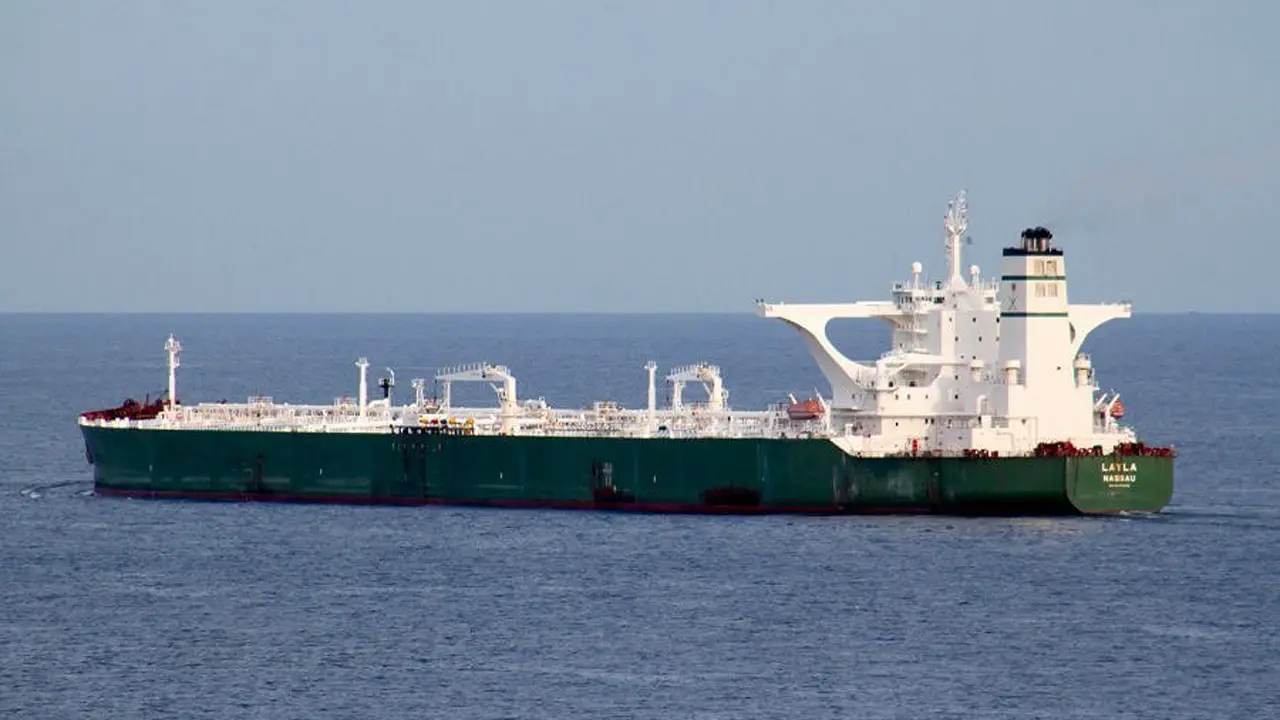
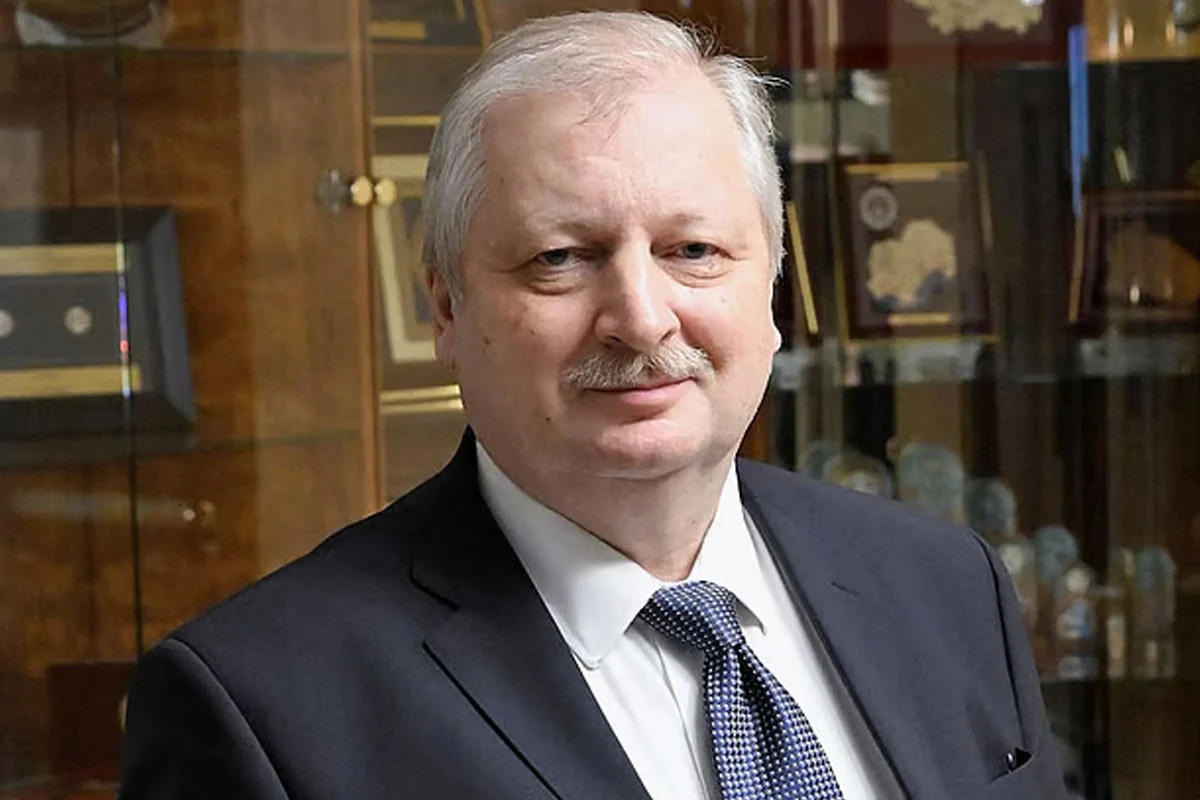
BanglaPress Desk: The Strait of Hormuz will never return to its pre-conflict state—a declaration made by Mohammad Bagher Ghalibaf, Speaker of the Iranian Parliament and the country’s chief negotiator. He claims that Tehran has reached an agreement with Oman regarding the management and oversight of this vital waterway.
Simultaneously, Iran has presented a seven-point set of conditions to the United States for ending the conflict. Ghalibaf made it clear that no agreement with Washington is possible unless these conditions are met.
Mohammad Bagher Ghalibaf shared these remarks during a special interview with Al Jazeera on Wednesday (November 11). In the interview, he discussed the future of the Strait of Hormuz, the prospects for negotiations with the United States, and the potential for renewed conflict.
He stated that the agreement between Iran and Oman concerning the management and supervision of this critical maritime route is part of a seven-point proposal put forward by Tehran to bring an end to the eight-month-long conflict.
Ghalibaf asserted, "There are no 'open waters' (international waters) there. The 1982 United Nations Convention on the Law of the Sea does not apply to this strait. The rules and regulations within the Strait of Hormuz will be determined by the laws of the nations bordering it."
The Iranian parliamentary speaker noted that Tehran has communicated its position to the United States through Qatari mediators, outlining the seven conditions required to initiate peace talks. Tehran is now awaiting a formal response from Washington. "The ball is now in the United States' court," he said.
The conditions presented by Iran’s chief negotiator include the lifting of U.S.-imposed naval blockades and sanctions, the release of frozen Iranian assets, a cessation of hostilities on all fronts, and an explicit declaration that the war has come to an end.
Ghalibaf stated that these demands were part of the Islamabad Memorandum of Understanding signed last June, and that their implementation is a prerequisite for entering into negotiations with the United States. He stated, "If the United States refrains from making additional demands or engaging in behavior that breeds distrust, and instead limits itself to the terms previously agreed upon, then reaching an agreement is entirely possible."
He added, "The greatest obstacle to an agreement is our lack of trust in the United States."
Ghalibaf revealed that U.S. officials had requested Russian President Vladimir Putin to mediate the initiation of direct talks with Tehran—a request made during a visit to Moscow.
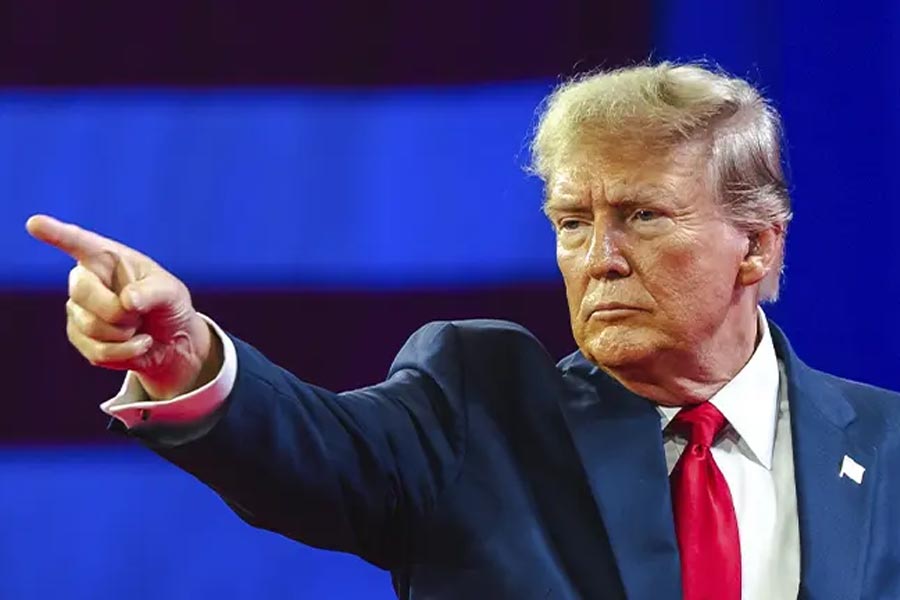
Warning against any new U.S. attacks on Iran, Ghalibaf asserted that such an action would lead to another defeat for U.S. President Donald Trump. He further noted that Trump would also face political pressure from the new Congress, which is set to take office next January.
He emphasized that Iran is determined to move beyond the current state of "neither war nor peace," stressing the importance of building long-term resilience, including the development of military capabilities.
Ghalibaf also addressed the ongoing conflict between the internationally recognized, Saudi-backed Yemeni government and the Houthis. Regarding the Iranian-supported Houthi armed group—also known as Ansarallah (meaning "Supporters of God" in Arabic)—he stated, "No one should interfere in this matter."
He added, "If both the Yemeni government and Saudi Arabia seek our assistance, we will certainly extend a helping hand to help resolve their conflict."
Previously, following a series of deadly attacks in Saudi Arabia, Iran had offered in October to facilitate talks between Saudi Arabia and the Houthis in Yemen.
BP/TI
[Bangla Press is a global platform for free thought. It provides impartial news, analysis, and commentary for independent-minded individuals. Our goal is to bring about positive change, which is more important today than ever before.]

 E-paper