
 Bangla Press Desk: Badruddin Umar, the prominent writer and leftist intellectual who passed away on Sunday at the age of 94, in his written testimony as a witness against the ousted prime minister Sheikh Hasina said that Awami League has also been ousted from the public trust.
“The 2024 mass uprising not only ousted the Awami League (AL) from power, but also from the public trust. This mass uprising sealed Awami League’s ultimate political fate like Muslim League. AL may carry out some subversive activities with India’s help, but their re-emergence as a national political party is impossible,” he said in the testimony submitted to the investigation team of the International Crimes Tribunal (ICT).
Badruddin Umar is an important witness against Hasina in the case of crimes against humanity committed during the 2024 mass uprising. Before his death, he had submitted the written testimony to the investigating officer (IO) of the case. The testimony was released after his death.
The trial for Hasina and two of her aides-- former home minister Asaduzzman Khan Kamal and former inspector general of police (IGP) Chowdhury Abdullah Al-Mamun-- is in its final stage at the ICT as the tribunal has already recorded testimonies of 36 witnesses till now. However, Badruddin Umar had not yet testified before the tribunal.
Bangla Press Desk: Badruddin Umar, the prominent writer and leftist intellectual who passed away on Sunday at the age of 94, in his written testimony as a witness against the ousted prime minister Sheikh Hasina said that Awami League has also been ousted from the public trust.
“The 2024 mass uprising not only ousted the Awami League (AL) from power, but also from the public trust. This mass uprising sealed Awami League’s ultimate political fate like Muslim League. AL may carry out some subversive activities with India’s help, but their re-emergence as a national political party is impossible,” he said in the testimony submitted to the investigation team of the International Crimes Tribunal (ICT).
Badruddin Umar is an important witness against Hasina in the case of crimes against humanity committed during the 2024 mass uprising. Before his death, he had submitted the written testimony to the investigating officer (IO) of the case. The testimony was released after his death.
The trial for Hasina and two of her aides-- former home minister Asaduzzman Khan Kamal and former inspector general of police (IGP) Chowdhury Abdullah Al-Mamun-- is in its final stage at the ICT as the tribunal has already recorded testimonies of 36 witnesses till now. However, Badruddin Umar had not yet testified before the tribunal.
AL has also been ousted from public trust

Banglapress
Published: 23 September 2025, 10:26 AM
 Bangla Press Desk: Badruddin Umar, the prominent writer and leftist intellectual who passed away on Sunday at the age of 94, in his written testimony as a witness against the ousted prime minister Sheikh Hasina said that Awami League has also been ousted from the public trust.
“The 2024 mass uprising not only ousted the Awami League (AL) from power, but also from the public trust. This mass uprising sealed Awami League’s ultimate political fate like Muslim League. AL may carry out some subversive activities with India’s help, but their re-emergence as a national political party is impossible,” he said in the testimony submitted to the investigation team of the International Crimes Tribunal (ICT).
Badruddin Umar is an important witness against Hasina in the case of crimes against humanity committed during the 2024 mass uprising. Before his death, he had submitted the written testimony to the investigating officer (IO) of the case. The testimony was released after his death.
The trial for Hasina and two of her aides-- former home minister Asaduzzman Khan Kamal and former inspector general of police (IGP) Chowdhury Abdullah Al-Mamun-- is in its final stage at the ICT as the tribunal has already recorded testimonies of 36 witnesses till now. However, Badruddin Umar had not yet testified before the tribunal.
Bangla Press Desk: Badruddin Umar, the prominent writer and leftist intellectual who passed away on Sunday at the age of 94, in his written testimony as a witness against the ousted prime minister Sheikh Hasina said that Awami League has also been ousted from the public trust.
“The 2024 mass uprising not only ousted the Awami League (AL) from power, but also from the public trust. This mass uprising sealed Awami League’s ultimate political fate like Muslim League. AL may carry out some subversive activities with India’s help, but their re-emergence as a national political party is impossible,” he said in the testimony submitted to the investigation team of the International Crimes Tribunal (ICT).
Badruddin Umar is an important witness against Hasina in the case of crimes against humanity committed during the 2024 mass uprising. Before his death, he had submitted the written testimony to the investigating officer (IO) of the case. The testimony was released after his death.
The trial for Hasina and two of her aides-- former home minister Asaduzzman Khan Kamal and former inspector general of police (IGP) Chowdhury Abdullah Al-Mamun-- is in its final stage at the ICT as the tribunal has already recorded testimonies of 36 witnesses till now. However, Badruddin Umar had not yet testified before the tribunal.
[Bangla Press is a global platform for free thought. It provides impartial news, analysis, and commentary for independent-minded individuals. Our goal is to bring about positive change, which is more important today than ever before.]
YOU MAY ALSO LIKE
Politics
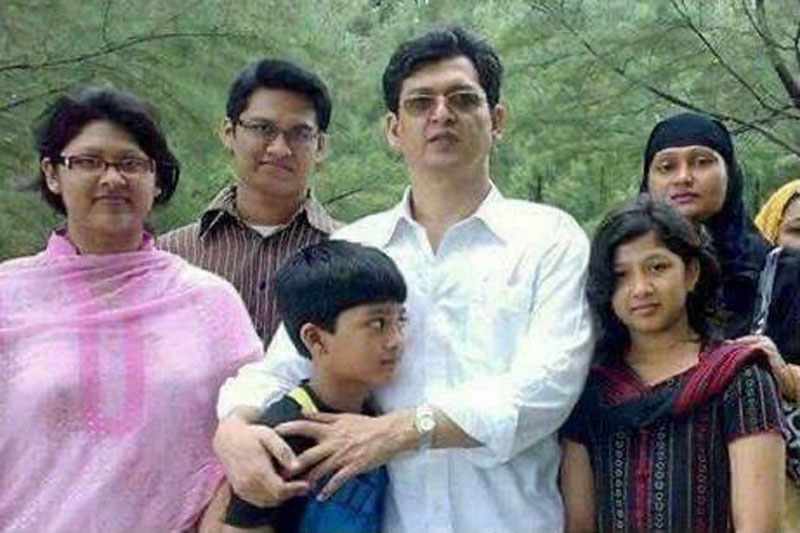
From BCS Cadre Officer to Home Minister: Salahuddin Ahmed’s Political Journey and His Family’s Path to Success
1 day ago
by Bangla Press
-6ab3842955219.webp)
Politics
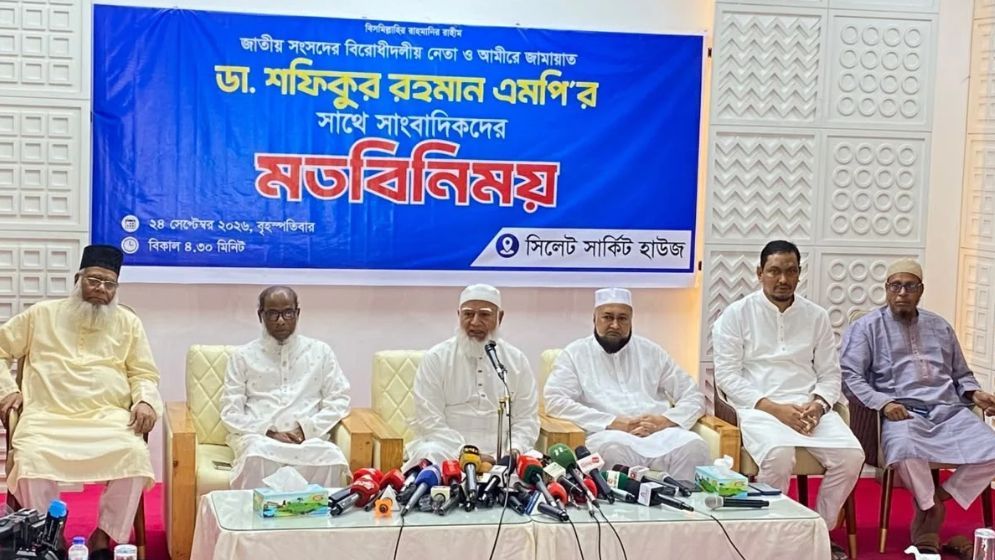
"Bring your admit card after passing the written test; I’ll make the necessary calls."
4 days ago
by Bangla Press
Politics
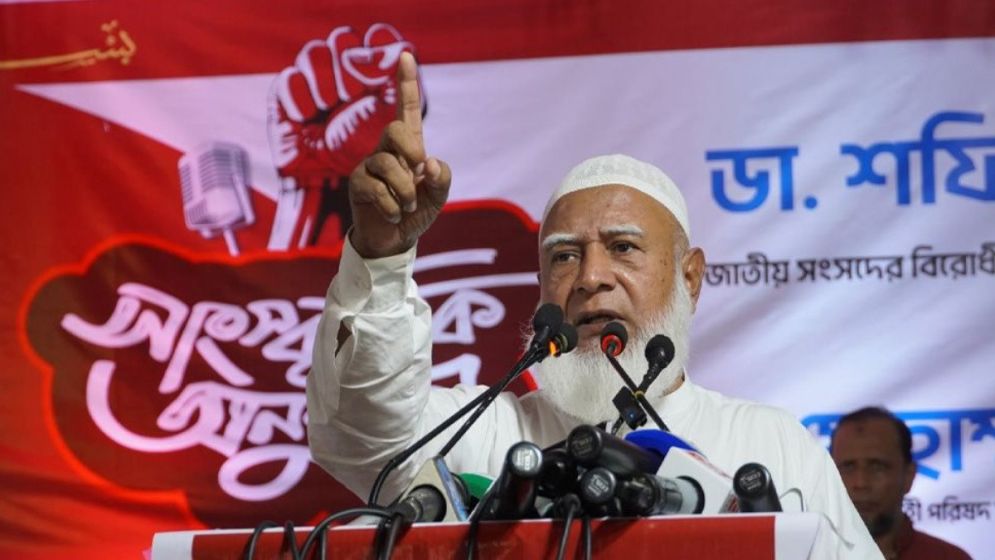
11-Party Alliance’s Eight Demands Serve People’s Interests, Says Shafiqur
1 week ago
by Bangla Press

Politics
DRU has played a significant role in achieving the country's democracy: Rizvi
2 weeks ago
by Bangla Press
Sangeet Academy