Bangla Press Desk: Bangladesh’s economy could save substantial costs by increasing digital transactions instead of relying on cash. A recent Bangladesh Bank study has found that the cost of the cash transaction system is nearly 28 times higher than that of digital payments.
The findings were published in a study titled “The Cost of Cash Study in Bangladesh: A Comparative Analysis of Cash and Digital Payment.” According to the research, the annual cost of cash transactions in Bangladesh was approximately Tk 170,000 crore in 2023, equivalent to 3.24% of the country’s gross domestic product (GDP).
By contrast, the annual cost of the digital transaction system was Tk 5,964 crore, or just 0.11% of GDP.
The study estimated the annual per capita cost of cash transactions at Tk 9,938, compared with only Tk 348 for digital transactions. The difference highlights the economic potential of reducing reliance on cash and expanding digital payments.
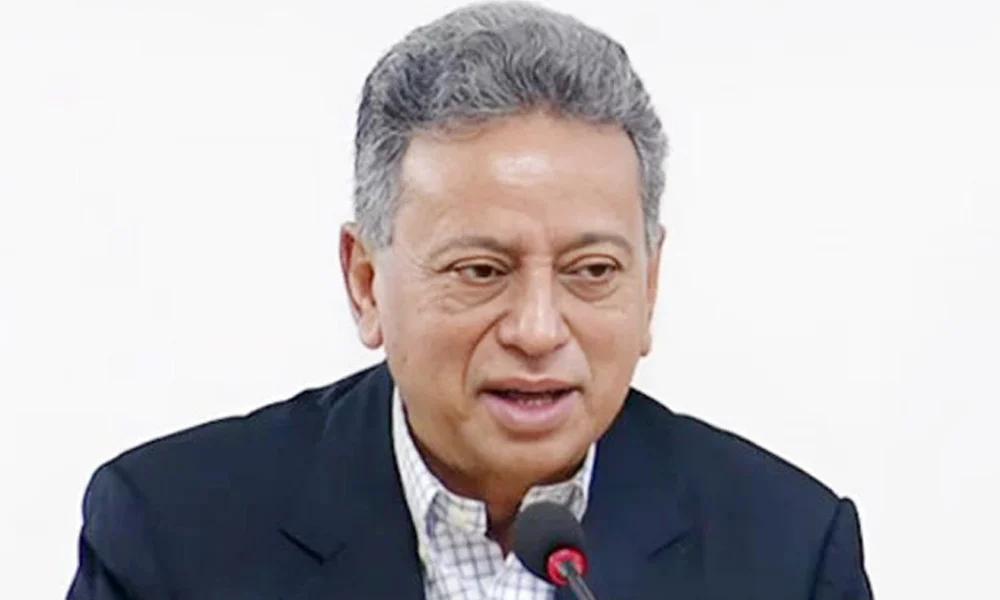
Bangladesh Bank Executive Director Md Sirajul Islam said cash management involves substantial expenses. The central bank incurs various costs, from importing raw materials needed to print banknotes to printing, transporting and maintaining their circulation in the market.
He explained that banknotes become worn, damaged and torn through regular use and must be replaced with new ones. As a result, the economy repeatedly incurs costs associated with cash management.
Increasing the use of digital payments could reduce these expenses, Sirajul Islam said. Digital transactions also leave records that can help reduce corruption, theft and the misuse of funds.
The Bangladesh Bank study found that banks spend approximately Tk 36,800 crore annually on cash transactions, equivalent to 0.70% of GDP. Consumers incur related annual costs of Tk 28,000 crore, or 0.53% of GDP. Bangladesh Bank’s own cash management expenses amount to around Tk 400 crore a year.
These costs include printing and distributing currency, transporting and securing cash, operating bank branches and ATMs, and the value of the time people spend withdrawing, carrying and using money.
The study also highlighted government revenue losses associated with the shadow economy. It estimated potential annual revenue losses at Tk 93,300 crore, equivalent to 1.77% of GDP and 54.76% of the estimated total cost of cash transactions.
Even when these potential revenue losses are excluded, the cost of cash transactions remains approximately 12 times higher than that of digital payments, the study noted.
Despite the much lower cost of digital transactions compared with cash, the research identified several financial and operational limitations in the digital payment system. It estimated that the system generates annual revenue of around Tk 2,300 crore against operating costs of approximately Tk 5,964 crore, leaving a gap of about Tk 3,664 crore.
Major barriers to the expansion of digital payments include high fees charged to merchants, delays in transaction settlement, limited interoperability between payment systems and unreliable internet connectivity.
Fraud, failed transactions, money being sent to incorrect accounts and limited digital skills also discourage many consumers and businesses from adopting electronic payments.
To assess the costs and challenges associated with cash and digital transactions, the researchers conducted desk research, reviewed payment system data and policies, held 21 interviews with relevant stakeholders and organised five group discussions.
The study found that cash continues to dominate Bangladesh’s payment landscape despite the expansion of mobile financial services and electronic fund transfers
BP/SP
[Bangla Press is a global platform for free thought. It provides impartial news, analysis, and commentary for independent-minded individuals. Our goal is to bring about positive change, which is more important today than ever before.]

 E-paper