
Highest number of dengue deaths this year occurred in October

Bangla Press
Published: 01 November 2026, 04:54 AM
BanglaPress Desk: The dengue outbreak in the country is becoming increasingly alarming. Even though the monsoon season has passed, the transmission of this mosquito-borne disease shows no signs of abating. In fact, the number of deaths from dengue in October of this year has surpassed that of any other month so far.
According to the latest data from the Directorate General of Health Services (DGHS), 174 people lost their lives to dengue in October alone, bringing the total death toll for the year to 419. During the same period, the number of patients admitted to hospitals has exceeded 100,000. The situation indicates that dengue remains a major public health challenge for the country.
In its dengue bulletin released on Saturday (October 31), the DGHS reported one additional death over the past 24 hours. During the same timeframe, 1,633 new patients were admitted to hospitals across the country. The deceased was from the Khulna division. These figures—both for new cases and hospital admissions—demonstrate that the burden of infection remains significantly high.
An analysis of DGHS data reveals that 174 people died from dengue in October, compared to 148 deaths in September. This marks an increase in the death toll from the previous month. When looking at the trend of fatalities from the beginning of the year through October, the current month has proven to be the most concerning.
Highest Number of Patients in Dhaka Division
Of the 1,633 patients admitted to hospitals in the last 24 hours, the highest number—604—were from the Dhaka division. The pressure of dengue transmission remains particularly high in the capital and its surrounding areas. Outside of Dhaka, hospital admissions included 281 patients in the Chattogram division, 234 in Barishal, 228 in Khulna, 149 in Rajshahi, 70 in Mymensingh, and 67 in the Rangpur division.
These division-wise statistics show that dengue is no longer a problem confined solely to the capital; cases are now present in almost every division of the country. The number of new patients is notably high in the Dhaka, Chattogram, Barishal, and Khulna divisions. Consequently, it has become urgent to implement mosquito control measures and ensure the availability of medical care—not only in divisional cities but also at the district and upazila levels. Number of Hospitalized Patients Surpasses 100,000
According to the Directorate General of Health Services (DGHS), 100,035 people have been hospitalized due to dengue since the beginning of this year up to Saturday. Of these, 128,345 patients have been discharged following treatment. While a large number of patients have recovered and returned home, the influx of new patients continues.
The fact that the number of hospitalized patients has exceeded 100,000 indicates an additional strain on the country’s healthcare system. It is crucial to ensure the availability of hospital beds, doctors, nurses, and essential medical supplies in public hospitals, especially during the dengue season. Furthermore, the cost of treatment and the quality of care provided in private hospitals also warrant careful attention.
2023 Was a Devastating Year in Terms of Fatalities
The DGHS has been maintaining records of dengue-related hospitalizations and deaths since 2000. According to these statistics, 2023 saw the most severe dengue situation in the country, with 321,179 patients hospitalized. That same year, 1,705 people died from dengue—the highest annual death toll recorded for the disease in the country.
Additionally, the dengue outbreak was significant in 2025 [sic], when over 400 people died and more than 102,000 were hospitalized. As of October this year, the death toll has already reached 419, raising fresh concerns about how the situation will unfold compared to last year.
Coordinated Efforts for Prevention Are Essential
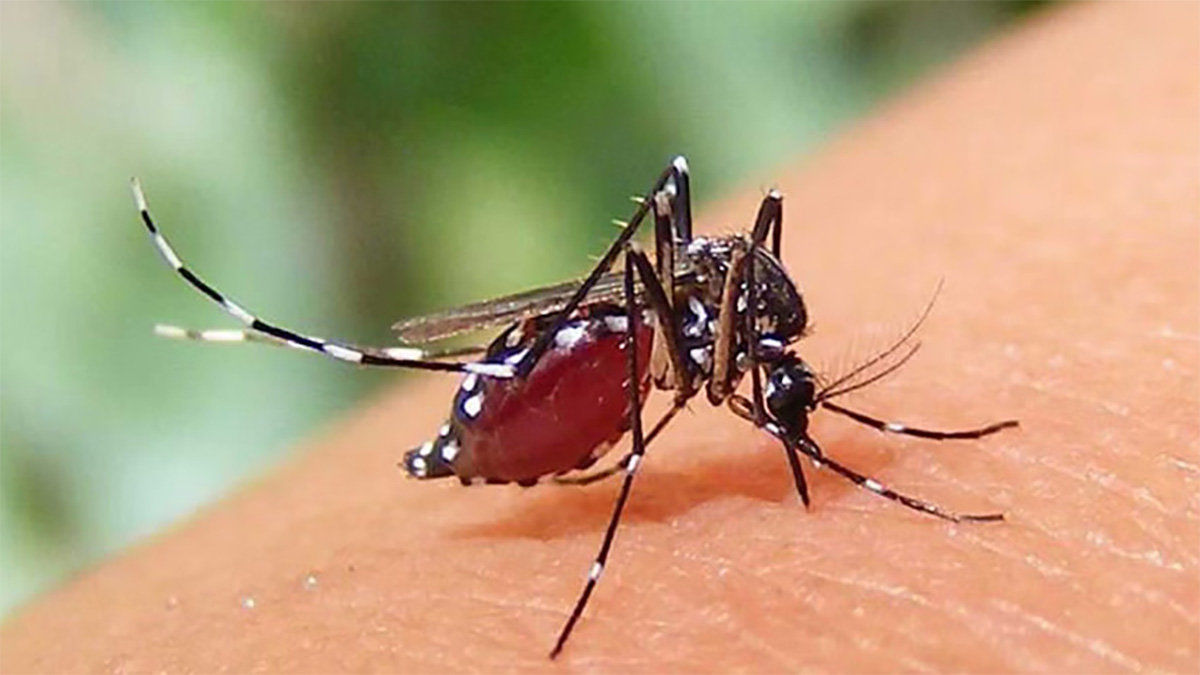
Controlling dengue requires more than just expanding medical services; managing the sources of infection is equally important. Aedes mosquitoes typically breed in stagnant, clear water. Water collecting on rooftops, in flower pots, discarded containers, water tanks, construction sites, and various other locations can serve as breeding grounds for these mosquitoes.
Therefore, alongside individual awareness, it is essential to strengthen mosquito-control initiatives led by city corporations, municipalities, and local administrations. It is vital to prevent water stagnation, keep surroundings clean, destroy mosquito breeding sites, and conduct regular sanitation drives in affected areas. According to experts, efforts to prevent dengue must be carried out throughout the year. Relying solely on mosquito-eradication drives after an outbreak has already intensified is unlikely to yield the desired results. Furthermore, if a fever develops, it should not be ignored; one must promptly seek medical advice and undergo the necessary diagnostic tests.
The high number of deaths in October has once again underscored the need for a long-term strategy to control dengue. It will also be crucial to closely monitor how the infection situation evolves throughout November. By integrating public awareness campaigns, consistent mosquito-control measures, and hospital preparedness, it is possible to reduce the risk posed by dengue.
[Bangla Press is a global platform for free thought. It provides impartial news, analysis, and commentary for independent-minded individuals. Our goal is to bring about positive change, which is more important today than ever before.]
YOU MAY ALSO LIKE

Bangladesh
Jamaat Ameer to defend the government in parliament after the long march: Abdul Quader
7 hours ago
by Bangla Press

Bangladesh
Wage board to be formed Sunday; no reason for workers to continue protests: Labour Minister
18 hours ago
by Bangla Press

Bangladesh
Youth are the primary driving force of national progress: Prime Minister
18 hours ago
by Bangla Press

Sangeet Academy