Major blow to gold prices

Bangla Press
Published: 21 November 2026, 06:13 AM
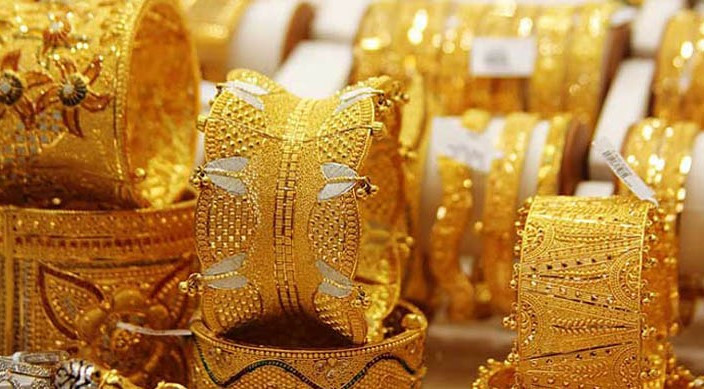
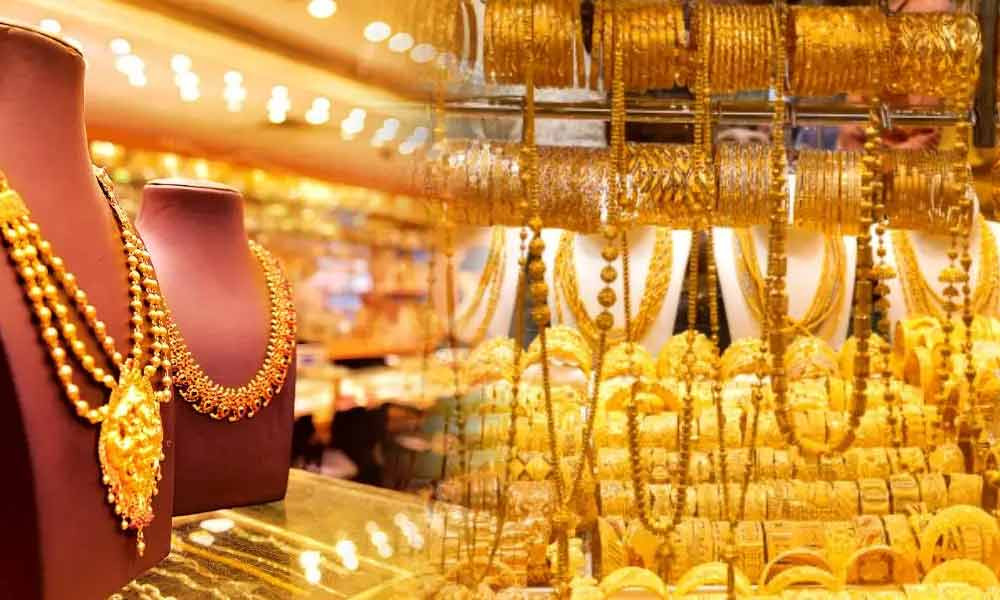
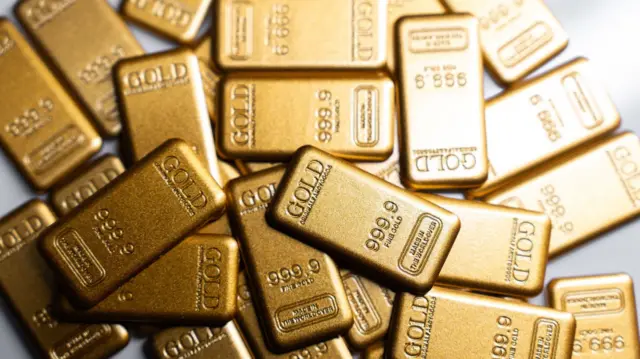
BanglaPress Desk: The gold market has witnessed an unprecedented surge over the past few years. Continuing this trend, the price of gold reached an all-time high of $5,589.38 per ounce on January 28 of this year. However, following that record peak, the price of this precious metal has now experienced a significant collapse.
In the international market, the price of gold fell below $3,700 per ounce on Thursday (November 19)—its lowest level since last September. Compared to its record high, the value of gold has now declined by approximately one-third.
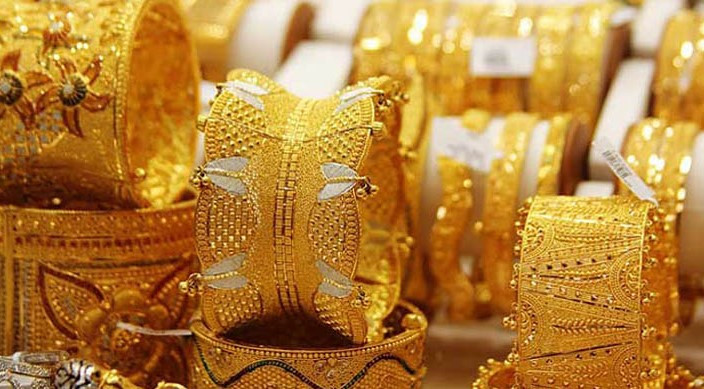
This downturn in the international market has had a direct impact on the domestic market as well. So far this month, up to Friday, the price of gold has been reduced eight times, totaling a decrease of 28,508 Taka per bhori (a traditional unit of weight in South Asia). On Friday alone, the price dropped by nearly 11,000 Taka. Consequently, the price of 22-carat gold has fallen to 201,146 Taka per bhori—the lowest level in the last 13 months.
While the price drop has renewed interest among ordinary consumers in purchasing jewelry, those who had previously bought gold at higher prices—including investors—are now facing substantial losses.
Analysts point out that several factors have exerted pressure on gold, including the potential for interest rate hikes by the U.S. Federal Reserve, the strength of the U.S. dollar, and rising yields on Treasury bonds. Nevertheless, many still believe that gold remains significant for mitigating investment risks over the long term.
Why are prices falling in the global market? Several factors are contributing to the decline in gold prices internationally. Key among these are the rising yields on U.S. Treasury bonds, the strength of the U.S. dollar, and the increased opportunity cost of holding gold—given that the metal does not generate any interest.
Analysts note that there is a growing market expectation that the Federal Reserve may raise interest rates this coming December. Simultaneously, the U.S. dollar is strengthening in the international currency market, which has diminished the appeal of gold to investors. Ole S. Hansen, Head of Commodity Strategy at the Danish investment firm Saxo Bank, told Reuters that a stronger dollar, rising real interest rates, and expectations of a more hawkish monetary policy from the Federal Reserve are diminishing the appeal of investing in gold and silver, leading to a decline in their prices.
Suki Cooper, Head of Commodity Research at the London-based multinational bank Standard Chartered, notes that gold can behave either like a commodity or like a currency, with its role shifting depending on market conditions and investor sentiment. Currently, its tendency to behave like a currency is contributing to the drop in gold prices.
A strong dollar and rising interest rates: Cooper explains that a weaker dollar, declining bond yields, and concerns regarding global debt had previously laid the groundwork for gold prices to reach record highs in 2026. Investors who previously held little gold in their portfolios began purchasing it.
According to Evan Mills, an advisor at the Winston-Salem, North Carolina-based firm Scholar Financial Advising, a combination of low interest rates—with the prospect of further cuts—and a fragile dollar created a favorable environment for gold at that time.
In his view, the period was highly advantageous for investors in gold and other commodities. Low interest rates allowed investors to earn relatively better returns, whereas holding cash offered negligible returns. Consequently, many turned to gold as an alternative investment to preserve the purchasing power of their capital.
BP/TI
[Bangla Press is a global platform for free thought. It provides impartial news, analysis, and commentary for independent-minded individuals. Our goal is to bring about positive change, which is more important today than ever before.]
YOU MAY ALSO LIKE
Business
Bangladesh seeks to increase exports to the European market via Kosovo.
2 days ago
by Bangla Press
Business
At what price is a 'vori' (tola) of gold being sold following the price drop?
2 weeks ago
by Bangla Press
Sangeet Academy