
.webp)
Muscle pain on a cold day? Know the causes and remedies

Bangla Press
Published: 27 November 2025, 08:47 PM
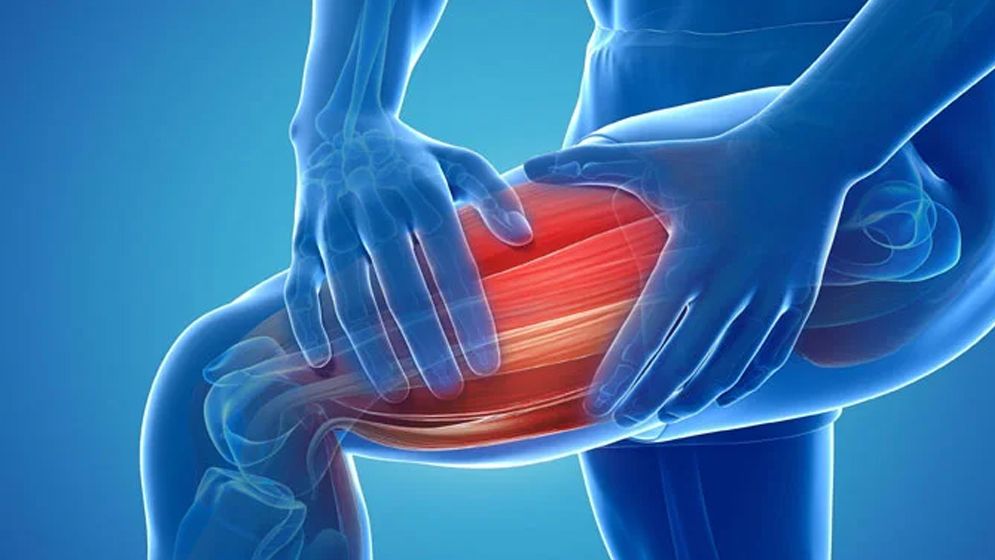
Bangla Press Desk: Many people experience muscle tension, pain, or discomfort during the winter. When the temperature drops, the body naturally tightens its muscles, which can make the problem worse, especially for those who already have muscle pain. Although the relationship between cold and muscle pain is not entirely clear, it is possible to reduce discomfort by knowing the possible causes and remedies.
Research has shown that cold weather can increase the risk of muscle pain and injury. Cold causes muscles to stiffen, blood flow decreases, and the body shivers to keep warm—all of which put extra strain on the muscles. For those who already have muscle pain, fibromyalgia, or similar conditions, their pain may worsen in the winter. However, the same effect may not be seen in everyone.
Possible causes of increased muscle pain in the winter
1. Muscle stiffness: Muscles and tendons contract in the cold, and tension can be caused by prolonged exposure to cold or repeated shivering.
2. Increased risk of injury: Cold reduces muscle flexibility and strength, which increases the risk of injury during exercise or heavy work.
3. Intensity of pain: Cold reduces blood circulation and makes nerves more sensitive, which can make pain more felt.
4. Less physical activity: In winter, people tend to stay indoors, and if they are less active, their muscles can become stiff and cause pain.
According to doctors, although muscle pain is common in winter, it is important to consult a doctor if there is sudden, severe pain, a history of injury, or excessive discomfort.
Ways to reduce pain at home
Keeping the body warm—warm clothes, a warm room, and spending less time in the cold.
Using a heating pad, hot water bag, or warm compress.
Light stretching—stop if pain increases and seek expert advice if necessary.
Massage—reduces muscle tension by increasing blood circulation.
Things to keep in mind for prevention
Keeping the house warm
Closing gaps that allow air to enter
Wearing layered clothing
Using gloves, hats, scarves when going outside
Quickly changing wet or cold clothes
Warming up sufficiently before exercise
Eating carbohydrate-rich foods
When to see a doctor
If the pain is chronic
If the pain is sudden and severe
If it interferes with daily activities
If you feel unusually cold even indoors
If you have any other unusual symptoms
After all, cold can increase muscle pain due to muscle tension, reduced movement, or nerve sensitivity. Regularly staying warm, light exercise, massage, and appropriate clothing help reduce pain. However, if the pain is severe, it is safest to consult a doctor.
BP/TD
[Bangla Press is a global platform for free thought. It provides impartial news, analysis, and commentary for independent-minded individuals. Our goal is to bring about positive change, which is more important today than ever before.]
YOU MAY ALSO LIKE

Lifestyle
Know the benefits of drinking bay leaf water during the rainy season
2 months ago
by Bangla Press

Lifestyle
Why are women at greater health risk than men in severe heatwaves?
2 months ago
by Bangla Press

Lifestyle
Staying up late watching the World Cup? Learn how to stay fit in the morning
2 months ago
by Bangla Press
Lifestyle
This new drug will slow the progression of diabetes before symptoms appear
3 months ago
by Bangla Press

Lifestyle
Mango is a beneficial fruit, but how much should you eat per day?
3 months ago
by Bangla Press
Sangeet Academy