
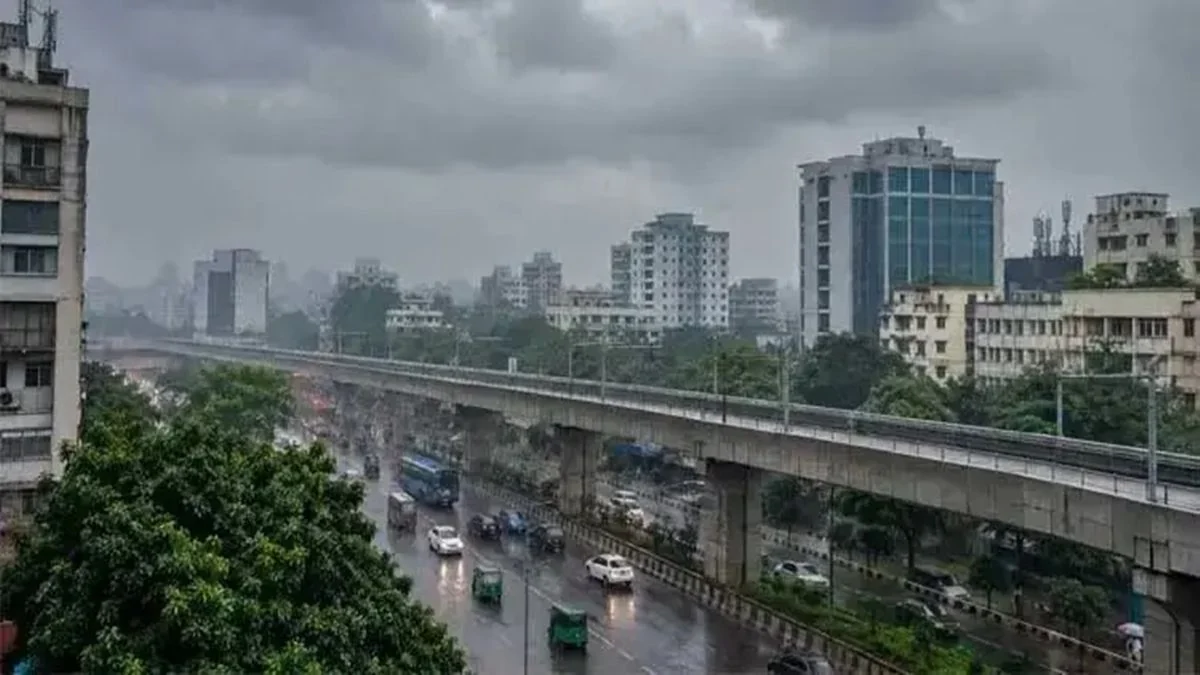
Bangladesh joins global initiative to bring solar power to 300 million households

Bangla Press
Published: 11 November 2026, 04:17 AM
BanglaPress Desk: Bangladesh has joined a global initiative aimed at bringing solar power to 300 million households worldwide by 2030. As part of this initiative, the government has set a target to achieve a generation capacity of 5,500 megawatts through the expansion of rooftop solar power systems. The plan involves sourcing 80 percent of the necessary investment for this goal from international channels.
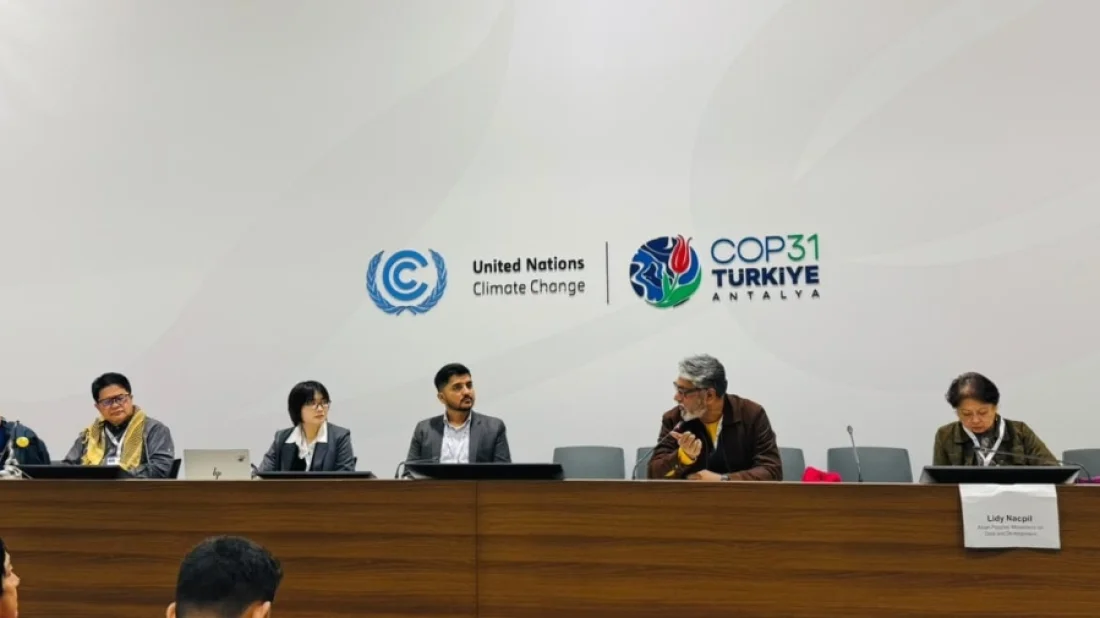
On Monday, at the UN Climate Change Conference (COP31) currently underway in Antalya, Turkey, Bangladesh expressed its support for the 'Global Rooftop Solar Declaration.' Kenya, Nigeria, and Vanuatu have also joined the initiative, following an earlier endorsement by Australia.
The global initiative seeks to double the number of households using solar power to 300 million by 2030. To achieve this, the focus is on reducing the costs of installing rooftop solar systems, simplifying approval processes, modernizing power grids, and developing a skilled workforce.
Expressing support for the declaration, Mirana Mahrukh, Secretary of the Power Division, stated that Bangladesh is committed to reaching a rooftop solar generation capacity of 5,500 megawatts by 2030. The preliminary plan to meet this target involves installing solar power systems on approximately 870,000 rooftops.
According to the proposed financing structure, 20 percent of the total investment will come from domestic sources, while the remaining 80 percent is expected to be sourced through international financing. Consequently, the plan entails installing solar systems on approximately 174,000 rooftops using domestic funding, with the remaining 696,000 rooftops supported by international cooperation.
The Power Division Secretary urged global partners to provide accessible financing, advanced technology, and investment to transform these rooftops into sources of both clean energy and economic opportunity.
Bangladesh’s power and energy sector has long grappled with a heavy reliance on imported fossil fuels and uncertainties in energy supply. In particular, the high costs associated with fuel imports and supply shortages are placing significant strain on both power generation and the broader economy. In such a situation, rooftop solar power is being prioritized as an alternative energy source.
Pakistan’s experience could serve as an inspiration for Bangladesh. Welcoming the global announcement, Dipal C. Barua, Chairman of the Bright Green Energy Foundation, noted that Pakistan has recently set a global precedent in off-grid solar power generation. This experience could serve as an inspiration for countries like Bangladesh that are grappling with energy crises.
He pointed out that, much like Pakistan, Bangladesh is facing an acute energy crisis. However, the government has recently shown a positive stance toward the expansion of renewable energy. Initiatives have been taken to introduce special ordinances for solar power, alongside providing tax incentives, financing mechanisms, and establishing dedicated funds.
Dipal Barua added that these initiatives are facilitating the adoption of solar power systems in industrial facilities and among households located outside the national grid. If these plans are implemented effectively, Bangladesh could emerge as a model for other densely populated, energy-constrained nations within the next five years.
Beyond targets, a domestic supply chain is essential.
Dr. Khondaker Golam Moazzem, President of the Knowledge Hub Institute, argues that merely announcing targets is insufficient for the expansion of renewable energy. In his view, building an efficient domestic supply chain is crucial for sustainable progress in this sector.
He noted that the new government has demonstrated a political commitment to increasing the use of renewable energy, which is reflected in various policy and implementation measures. However, plans to expand LNG infrastructure and extract domestic coal for power generation could impose an additional financial burden on the government. In the long term, such initiatives may not be financially sustainable.
He also emphasized the importance of reducing the financial losses incurred by state-owned energy entities.
Drawing lessons from Pakistan’s experience, Dr. Khondaker Golam Moazzem suggested a gradual withdrawal of energy subsidies, which could help mitigate the losses faced by state-run service providers. Additionally, consumers can be encouraged to shift from using gas, LNG, diesel, and LPG to electricity. In this regard, electricity generated from renewable energy sources can play a significant role.
According to him, the government faces a major challenge: it must address the immediate energy crisis while simultaneously managing a gradual transition to clean energy and avoiding costly policy missteps.
Aiming to Share Australia’s Experience
Highlighting the importance of this global initiative, Chris Bowen—Australia’s Minister for Climate Change and Energy and President-designate for the COP31 climate conference—noted that rooftop solar power has enabled Australian households to play a pivotal role in the nation’s energy transition. One in every three homes in Australia is equipped with solar panels, the highest rate in the world. A key objective of this global declaration is to share this experience with other nations.
Ibrahim A. Shelleng, Senior Special Assistant to the President of Nigeria on Climate Finance and Stakeholder Engagement, stated that investment in solar infrastructure can enhance energy self-reliance, create jobs, and reduce long-term infrastructure costs.
The Global Rooftop Solar Declaration calls upon national, state, and local governments to accelerate the adoption of rooftop solar power and residential battery storage. To achieve this, the declaration emphasizes the importance of streamlined approval processes, affordable financing, modernized power grids, equitable access for all, and the development of a skilled workforce.
BP/SP
[Bangla Press is a global platform for free thought. It provides impartial news, analysis, and commentary for independent-minded individuals. Our goal is to bring about positive change, which is more important today than ever before.]
YOU MAY ALSO LIKE


Bangladesh
50 migrants, including young Bangladeshis, are being sent back from Greece
1 hour ago
by Bangla Press
Bangladesh
Extradition of Sheikh Hasina is a matter of legal process: Jaiswal
2 hours ago
by Bangla Press

Sangeet Academy