

Caught between safety and spark

Bangla Press
Published: 31 October 2025, 12:47 AM
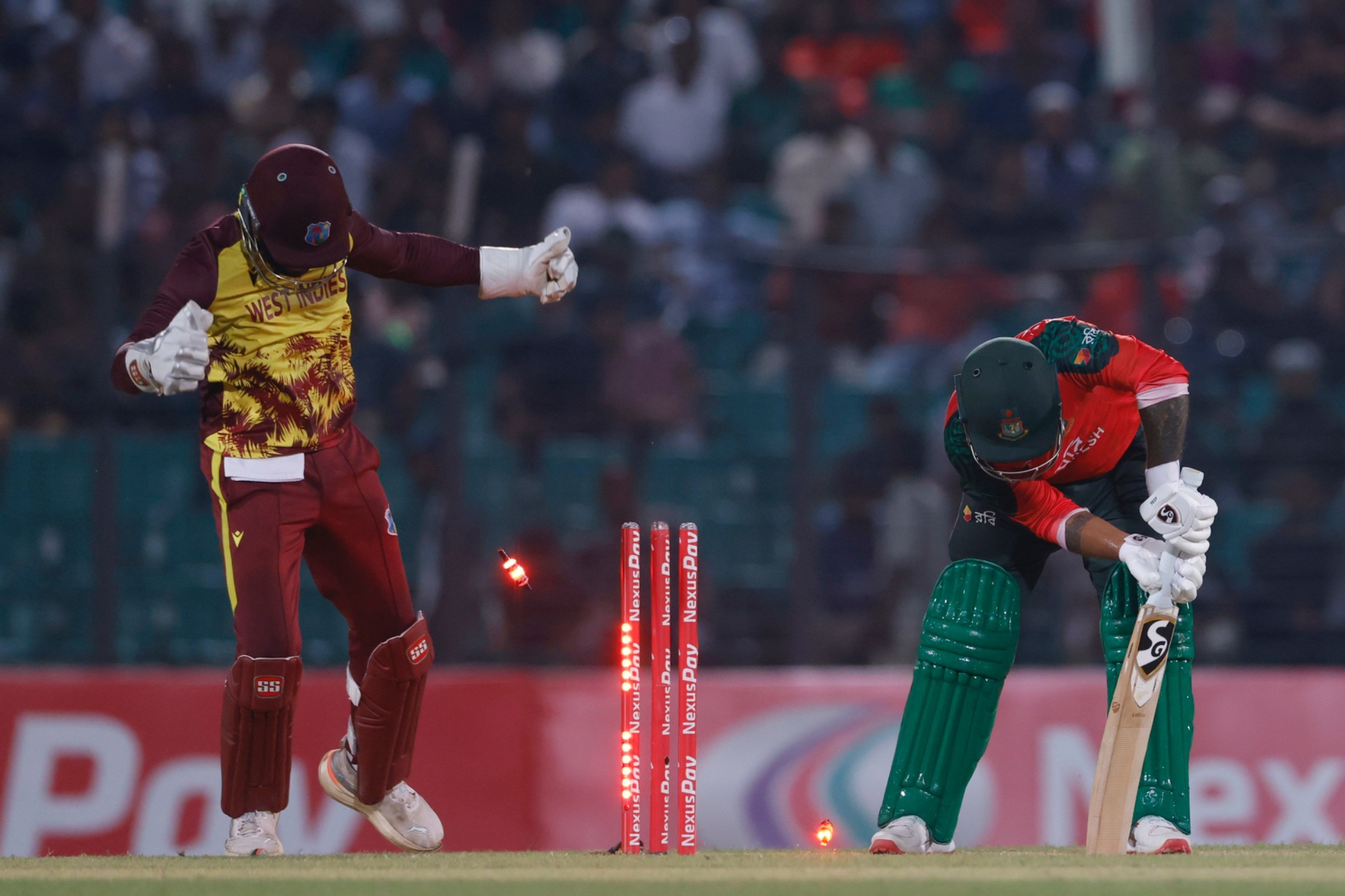
Bangla Press Desk: “Safety” — when it comes to white-ball cricket, Bangladesh’s top-order batters have long lived by that word.
It’s an approach that mirrors life in Bangladesh itself: thinking about the worst-case scenario, making careful choices, and hoping for a late recovery. On the field, that same mindset often prevails. Batters take the safe option, grind through the innings, and hope for a late flourish. More often than not, that flourish never comes.
Despite its flaws, this “safe” approach has long formed the foundation of Bangladesh’s batting identity. It has brought occasional success in ODIs but rarely works in T20Is, where modern cricket demands fearless intent and aggressive stroke play.
With a new generation stepping in, there was hope for change — a shift towards attacking cricket where “safety” wouldn’t dictate every move.
To their credit, these players have shown flashes of intent, playing boldly at times. But under pressure, old habits resurface, and the results have often gone against them.
The second T20I against West Indies at the Bir Shrestha Shahid Flight Lieutenant Motiur Rahman Stadium illustrated the dilemma vividly.
After collapsing to 149 all out in the first match chasing 165, Bangladesh’s top order adopted a cautious approach in the second, chasing just 150 under lights. They crawled to 37 for 1 in the powerplay.
Litton Das struck four boundaries before falling, while Tanzid Hasan anchored the innings with 61 off 48 balls, including three fours and three sixes. Yet the team lost five wickets for 18 runs in the final overs, falling short by 14. In total, Bangladesh played 54 dot balls, underscoring the gap between control and conviction.
Tactically, the approach was questionable. Chattogram’s heavy dew makes stroke play easier early when the ball is hard and new. Bangladesh, however, waited until it softened, allowing West Indies bowlers to mix slower deliveries and dictate terms.
Tanzid defended his approach at the post-match press conference: “The wicket was a bit sticky; the ball wasn’t coming onto the bat. It’s tough for new batters to hit aggressively. If I had stayed till the end, maybe we could have won.”
He acknowledged the impact of dot balls: “If we could have minimized them, the pressure would’ve been less. We need to figure out how to reduce dot balls and increase strike rate.”
The challenge for Bangladesh lies in balancing two instincts: one that clings to safety, and another that dares to break free. Until they find that equilibrium, the team’s pursuit of fearless cricket will continue to flicker between promise and hesitation.
For now, the top-order’s “grit and grind” mentality remains both an asset and a liability. It has kept collapses manageable in ODIs, yet in T20s, where intent and strike rate often determine outcomes, it has held the team back. The lesson is clear: Bangladesh must cultivate confidence to attack from the outset, rather than waiting for the perfect moment.
In the modern game, dot balls can be as costly as wickets, and hesitation at the top leaves finishers with an uphill task. Until the top three reconcile caution with aggression, Bangladesh’s batting story will remain one of potential glimpses overshadowed by missed opportunities.
BP/TD
[Bangla Press is a global platform for free thought. It provides impartial news, analysis, and commentary for independent-minded individuals. Our goal is to bring about positive change, which is more important today than ever before.]
YOU MAY ALSO LIKE

-6a9806faa4202.webp)
Sports
Paredes Says Argentina Face Uncertainty Amid Suspension, Messi Retirement Talk
1 week ago
by Bangla Press
Sangeet Academy