

Climate change, disaster risk reduction must be prioritised in char development, experts urge

Bangla Press
Published: 08 December 2025, 05:09 AM
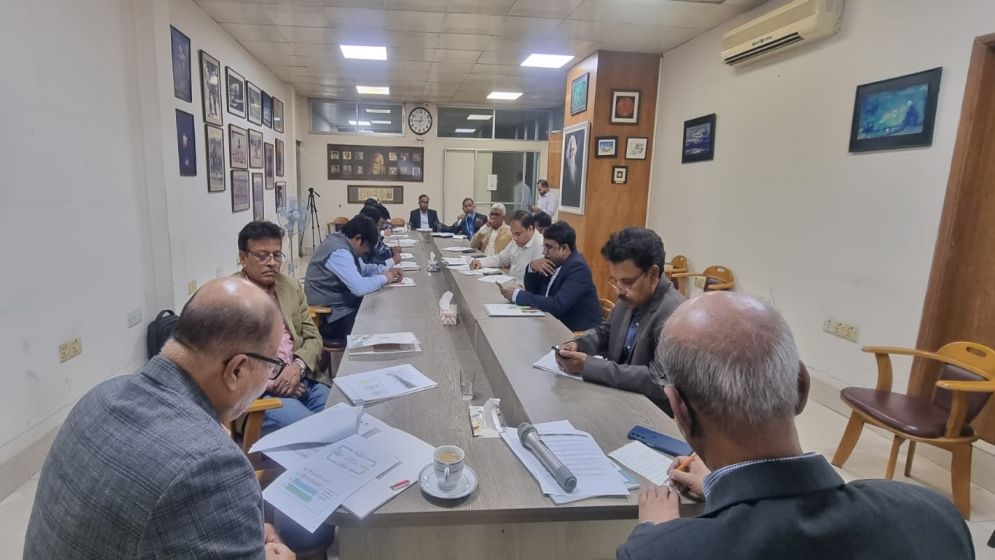
Bangla Press Desk: Experts have called for stronger emphasis on climate change adaptation and disaster risk reduction in national strategies aimed at improving the socio-economic conditions of char communities along the Jamuna River basin.
They warned that without such prioritisation, sustainable development in these disaster-prone and economically lagging regions will remain out of reach.
Their observations came on Sunday (7 December) at a national dialogue titled “Resilience to Climate Change in Char Areas along the Jamuna River Basin”, organised by the National Char Alliance (NCA) at the Khondaker Ibrahim Khaled Conference Hall of Unnayan Shamannay in Banglamotor, Dhaka.
Dr Kabir M. Ashraf Alam (NDC), Secretary General of the Bangladesh Red Crescent Society, attended the event as Chief Guest.
The dialogue was chaired by Dr S. M. Zulfiqar Ali, Research Director of BIDS and Executive Chairperson of Unnayan Shamannay, and moderated by Khondakar Sakhawat Ali, Emeritus Fellow of Unnayan Shamannay and Visiting Research Fellow at BIGD.
NCA Member Secretary Zahid Rahman stressed the need for effective coordination between government and non-government initiatives to ensure sustainable development of life and livelihoods in char areas. He stated that regular dialogue among all stakeholders must continue to address the unique challenges of these vulnerable communities.
The dialogue is part of a series of advocacy activities under the Joint Action for Mitigating Climate Uncertainties and Natural Adversities (Jamuna) project, jointly implemented by the Bangladesh Red Crescent Society and the Swiss Red Cross.
Presenting the project’s objectives, Project Director Md Jasim Uddin Kabir said collaborative efforts are essential to draw national attention to the climate- and disaster-related vulnerabilities faced by char residents. Abdullah Nadvi, Research Director at Unnayan Shamannay, outlined the background of the initiative and urged the government to ensure sustained allocations for char development in the national budget.
During the open discussion, Sanjib Biswas Sanjay, Deputy Country Representative of the Swiss Red Cross, highlighted the importance of strengthening local institutions and ensuring adequate support for local stakeholders to enhance resilience against climate impacts. Gawhar Nayeem, founding Member Secretary of the Foundation for Disaster Forum, noted that Bangladesh has already gained substantial technical capacity in river-erosion forecasting and recommended its use in planning future infrastructure in char regions.
In his remarks as Chief Guest, Dr Kabir M. Ashraf Alam called on all stakeholders to engage in shaping long-term national policies and plans to ensure sustainable development for the country’s char communities.
Representatives from World Vision Bangladesh, Practical Action, Riverine People Trust, ActionAid Bangladesh, Islamic Relief, Manab Mukti Sangstha, CCDB, RDRS, Unnayan Sangha, SDS, and UNDP also took part in the discussion.
BP/SP
[Bangla Press is a global platform for free thought. It provides impartial news, analysis, and commentary for independent-minded individuals. Our goal is to bring about positive change, which is more important today than ever before.]
YOU MAY ALSO LIKE
.jpg)
.jpg)

Bangladesh
5 arrested in connection with the leaking of Youth Development exam questions
23 hours ago
by Bangla Press

.jpg)
Bangladesh
All flights from Dammam to Riyadh suspended until October 18
23 hours ago
by Bangla Press
Sangeet Academy