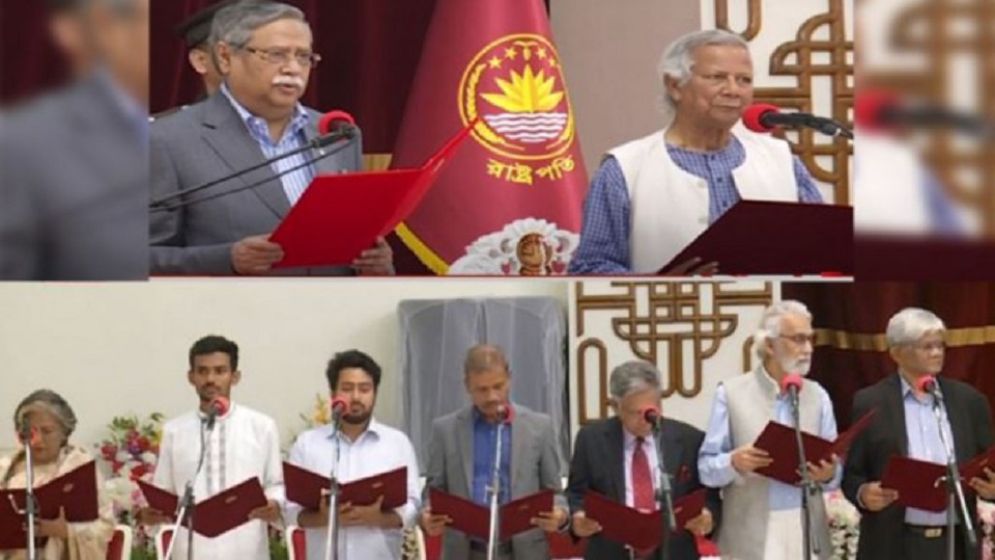
Bangla Press Desk: The interim government led by Nobel laureate Muhammad Yunus had one and a half years to run the state. The mismanagement and failures during that period have now fallen squarely on the shoulders of the present administration.
From childhood immunisation to the energy sector, disruptions are evident. Private investment has dropped to rock-bottom levels, while trade and commerce remain stagnant. Experts argue that the interim administration dismantled an otherwise self-regulating system through unnecessary interference.Stakeholders say that the interim government, formed in August 2024, left behind a deeply disordered system in law and order, market stability of essential commodities, and administrative structures—making it difficult for the elected government to restore normalcy. As the current administration grapples with a deep economic crisis, disorder in the health sector, instability in banking, lack of administrative coordination, and mismanagement in energy, the full extent of the interim government’s failures has become increasingly apparent.
According to relevant sources, one of the most tragic consequences of the mismanagement under the Yunus-led government—brought to power through the July uprising—has been a severe outbreak of measles. Children are dying in hospitals, leaving helpless parents in distress and uncertainty. Reports from various districts indicate shortages not only of measles vaccines but also of immunisations against polio, tuberculosis, pneumonia, diphtheria, tetanus, measles-rubella, and hepatitis B. Sources reveal that the Directorate General of Health Services previously procured vaccines under its Operational Plan (OP), but the interim government scrapped the programme in August 2025, pushing vaccination efforts into crisis.
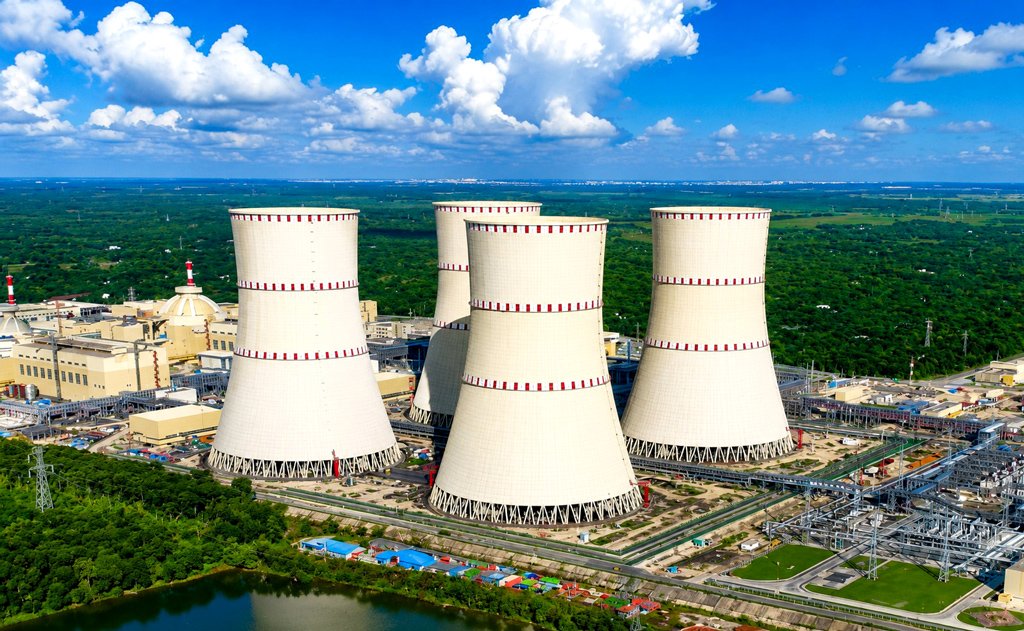
Like the health sector, the energy sector has also been thrown into disarray. In January, the country experienced a severe shortage of LPG gas. Cylinders that once cost Tk1,300 surged to between Tk1,700 and Tk2,500. At one stage, distributors halted sales altogether. Before the gas crisis could be contained, the ongoing Middle East conflict created a fresh shortage of fuel oil, further complicating the situation for the current government. Not only are industries struggling to secure fuel, but public transport has also been affected. Power plants are unable to operate at full capacity due to fuel shortages, and reports suggest that supply has even been disrupted in remote areas.
Experts have criticised the interim government for lacking both intent and effective management in meeting the high public expectations that followed the July mass uprising. They note that frequent administrative reshuffles and poor coordination, coupled with slow decision-making, disrupted routine governance. The negative impact is now being borne by the elected government. During the interim period, unqualified individuals were appointed to key positions in city corporations, hampering planned development work. Even before the onset of the monsoon, mosquito infestations surged in the capital.
Attempts at reforming the revenue administration created further chaos. A series of dismissals following protests over reforms generated fear within the administration, adversely affecting revenue collection. As government income declined, the Yunus administration was forced to borrow heavily—both to pay salaries and to manage non-development expenditure. That debt burden now rests with the current government.
Although the interim government had pledged austerity in public spending and caution in borrowing, its 18-month tenure saw higher borrowing than at any previous time. Total borrowing under the Yunus administration reached Tk3.9 trillion, while Bangladesh’s external debt rose by nearly $10 billion during the same period. Despite declining revenues, the burden of servicing these debts will fall on the current government in the upcoming budget.Officials further claim that in its efforts to stabilise the economy, the interim government effectively strangled industry and commerce. Runaway commodity prices, high inflation, and a dollar crisis were not addressed with timely and effective measures. In a controversial move, five weak banks were merged without proper planning or consideration for depositors’ interests, and the shares of ordinary investors in these banks were declared worthless.
Business leaders repeatedly called for dialogue with the interim government to resolve the crisis, but their appeals went unheeded. Instead, they faced harassment through alleged false cases, frozen bank accounts, and suspension of LC facilities.
Highlighting the fragile state of the economy, the Governor of Bangladesh Bank said at a meeting with electronic media journalists yesterday that low investment and persistently high inflation remain major challenges. Several macroeconomic indicators are weak, with employment, investment, and revenue growth all declining. The ongoing Middle East crisis has added further pressure to an already strained economy.
[Bangla Press is a global platform for free thought. It provides impartial news, analysis, and commentary for independent-minded individuals. Our goal is to bring about positive change, which is more important today than ever before.]

 E-paper
.jpg)


.jpg)