
 Bangla Press Desk: The “July Charter 2025," intended to be a foundational document for Bangladesh's state reforms, could not be finalised due to the lack of full agreement among political parties on the draft, though the 31 July deadline has passed.
The National Consensus Commission (NCC) on Thursday announced that the charter will be finalised "soon" and that consensus was reached on several key issues, including the formation of a 100-member upper house in the Parliament through the proportionate representation system and key appointments to three forces and other vital state bodies, significant dissent and public protest marked the day.
NCC Vice Chairman Prof Dr Ali Riaz said the political parties hold the key to implementing the “July Charter”. "If needed, we will sit again to specifically discuss the matter," he said on the 23rd day of the second phase of reform talks held at the Foreign Service Academy in Dhaka.
Stating that the commission will act as 'catalyst' in the process, Ali Riaz said, "We will try to quickly prepare the final charter and hand it over to political parties. Based on this, a signing ceremony will also be planned."
Bangla Press Desk: The “July Charter 2025," intended to be a foundational document for Bangladesh's state reforms, could not be finalised due to the lack of full agreement among political parties on the draft, though the 31 July deadline has passed.
The National Consensus Commission (NCC) on Thursday announced that the charter will be finalised "soon" and that consensus was reached on several key issues, including the formation of a 100-member upper house in the Parliament through the proportionate representation system and key appointments to three forces and other vital state bodies, significant dissent and public protest marked the day.
NCC Vice Chairman Prof Dr Ali Riaz said the political parties hold the key to implementing the “July Charter”. "If needed, we will sit again to specifically discuss the matter," he said on the 23rd day of the second phase of reform talks held at the Foreign Service Academy in Dhaka.
Stating that the commission will act as 'catalyst' in the process, Ali Riaz said, "We will try to quickly prepare the final charter and hand it over to political parties. Based on this, a signing ceremony will also be planned."
July Charter delayed as upper house debate fuels dissent

Banglapress
Published: 23 September 2025, 10:25 AM
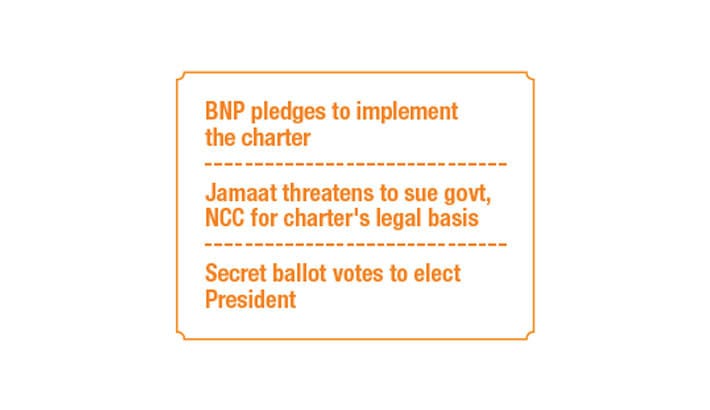 Bangla Press Desk: The “July Charter 2025," intended to be a foundational document for Bangladesh's state reforms, could not be finalised due to the lack of full agreement among political parties on the draft, though the 31 July deadline has passed.
The National Consensus Commission (NCC) on Thursday announced that the charter will be finalised "soon" and that consensus was reached on several key issues, including the formation of a 100-member upper house in the Parliament through the proportionate representation system and key appointments to three forces and other vital state bodies, significant dissent and public protest marked the day.
NCC Vice Chairman Prof Dr Ali Riaz said the political parties hold the key to implementing the “July Charter”. "If needed, we will sit again to specifically discuss the matter," he said on the 23rd day of the second phase of reform talks held at the Foreign Service Academy in Dhaka.
Stating that the commission will act as 'catalyst' in the process, Ali Riaz said, "We will try to quickly prepare the final charter and hand it over to political parties. Based on this, a signing ceremony will also be planned."
Bangla Press Desk: The “July Charter 2025," intended to be a foundational document for Bangladesh's state reforms, could not be finalised due to the lack of full agreement among political parties on the draft, though the 31 July deadline has passed.
The National Consensus Commission (NCC) on Thursday announced that the charter will be finalised "soon" and that consensus was reached on several key issues, including the formation of a 100-member upper house in the Parliament through the proportionate representation system and key appointments to three forces and other vital state bodies, significant dissent and public protest marked the day.
NCC Vice Chairman Prof Dr Ali Riaz said the political parties hold the key to implementing the “July Charter”. "If needed, we will sit again to specifically discuss the matter," he said on the 23rd day of the second phase of reform talks held at the Foreign Service Academy in Dhaka.
Stating that the commission will act as 'catalyst' in the process, Ali Riaz said, "We will try to quickly prepare the final charter and hand it over to political parties. Based on this, a signing ceremony will also be planned."
[Bangla Press is a global platform for free thought. It provides impartial news, analysis, and commentary for independent-minded individuals. Our goal is to bring about positive change, which is more important today than ever before.]
YOU MAY ALSO LIKE

.jpg)
Bangladesh
The number of mobile users in the country has surpassed 190 million.
26 minutes ago
by Bangla Press
Bangladesh
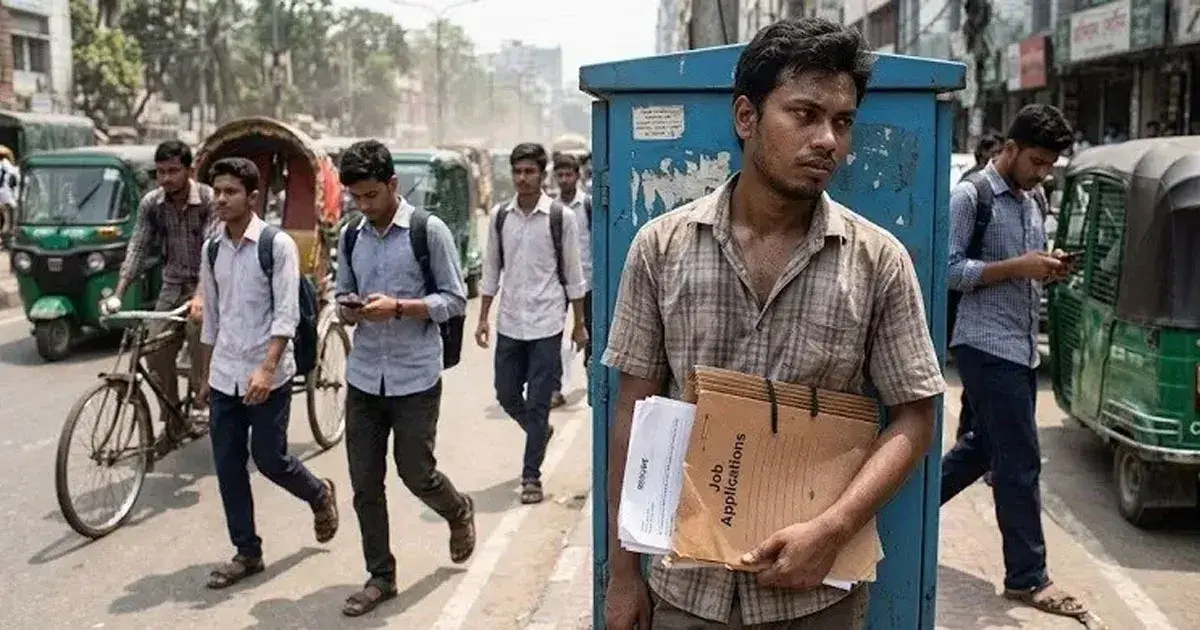
Nearly 29 percent of highly educated youth in Bangladesh are unemployed: IMF
28 minutes ago
by Bangla Press

Bangladesh
114 flights from Dhaka to Saudi Arabia cancelled; 17,701 passengers left in uncertainty
29 minutes ago
by Bangla Press
Bangladesh
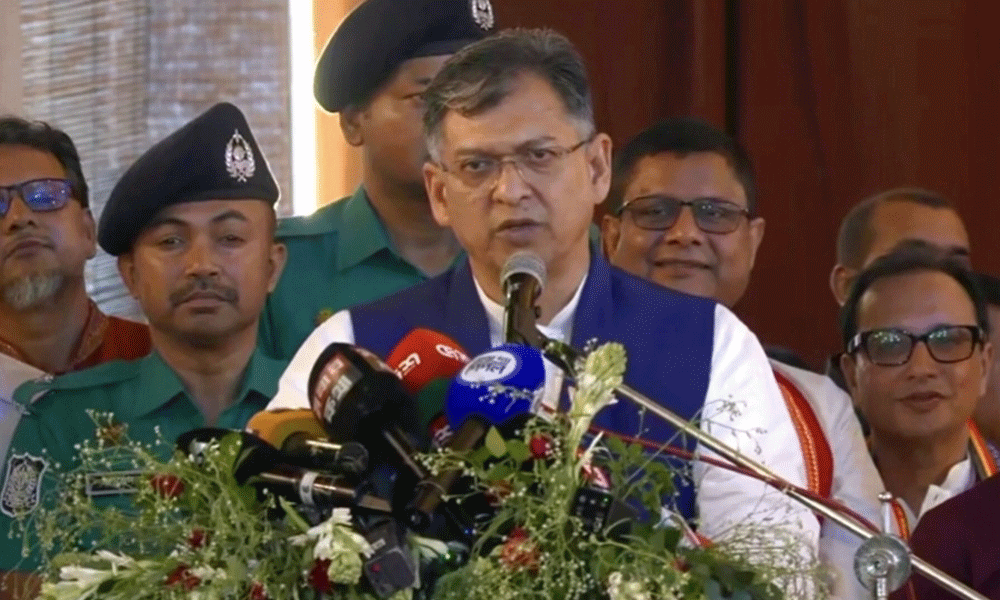
The Constitution is obligated to ensure the security of followers of all religions: Home Minister
17 hours ago
by Bangla Press
.jpg)
Bangladesh
Bangladesh to seek the return of Sheikh Hasina during talks with India
17 hours ago
by Bangla Press
Sangeet Academy