
 Bangla Press Desk: At the dawn of every century, nations and individuals are offered opportunities to lay the foundations of progress. Yet, even after twenty-five years into the 21st century, Bangladesh’s achievements remain modest — so subtle that they are hardly visible to the naked eye. Ironically, the early accomplishments of a century often shape the course of the times ahead.
Thus, it is fair to say that we are residents of a new era — an age where taking a stand for truth and beauty may be difficult, but it is also the time to ascend. In this age, the slogans should champion humanity. The world holds no value without people — and never will. It demands genuine individuals — those who, while looking to the heavens with gratitude, extend a hand to the suffering below; who speak in both joy and grief; who risk their lives to uphold truth and justice. These are the people who elevate humanity.
Every society, every nation, possesses a few such noble individuals. The difference between ‘people’ and the ‘individual’ is subtle — while the masses may remain silent, individuals speak. And that is why individuals carry such weight. Even amidst chaos, the truly compassionate person clings to the truth.
It may take thousands, even millions, to incite destruction — but it takes only a handful to release the dove of peace. These few water the roots of society, nation, and humanity. They stand against war and speak for the vulnerable.
Bangla Press Desk: At the dawn of every century, nations and individuals are offered opportunities to lay the foundations of progress. Yet, even after twenty-five years into the 21st century, Bangladesh’s achievements remain modest — so subtle that they are hardly visible to the naked eye. Ironically, the early accomplishments of a century often shape the course of the times ahead.
Thus, it is fair to say that we are residents of a new era — an age where taking a stand for truth and beauty may be difficult, but it is also the time to ascend. In this age, the slogans should champion humanity. The world holds no value without people — and never will. It demands genuine individuals — those who, while looking to the heavens with gratitude, extend a hand to the suffering below; who speak in both joy and grief; who risk their lives to uphold truth and justice. These are the people who elevate humanity.
Every society, every nation, possesses a few such noble individuals. The difference between ‘people’ and the ‘individual’ is subtle — while the masses may remain silent, individuals speak. And that is why individuals carry such weight. Even amidst chaos, the truly compassionate person clings to the truth.
It may take thousands, even millions, to incite destruction — but it takes only a handful to release the dove of peace. These few water the roots of society, nation, and humanity. They stand against war and speak for the vulnerable.
Khaleda Zia: The Tireless Sentinel of Democracy

Banglapress
Published: 23 September 2025, 10:25 AM
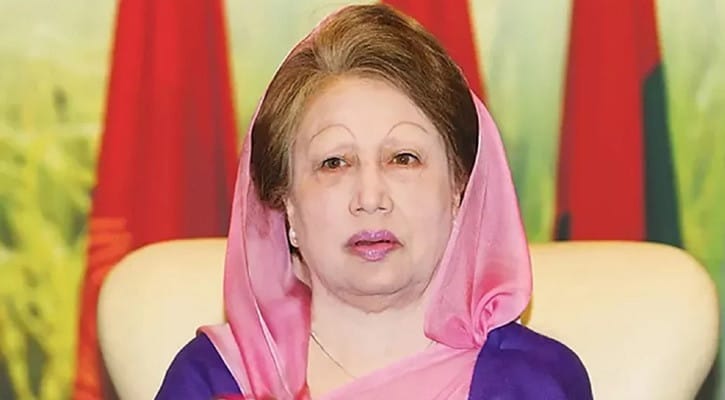 Bangla Press Desk: At the dawn of every century, nations and individuals are offered opportunities to lay the foundations of progress. Yet, even after twenty-five years into the 21st century, Bangladesh’s achievements remain modest — so subtle that they are hardly visible to the naked eye. Ironically, the early accomplishments of a century often shape the course of the times ahead.
Thus, it is fair to say that we are residents of a new era — an age where taking a stand for truth and beauty may be difficult, but it is also the time to ascend. In this age, the slogans should champion humanity. The world holds no value without people — and never will. It demands genuine individuals — those who, while looking to the heavens with gratitude, extend a hand to the suffering below; who speak in both joy and grief; who risk their lives to uphold truth and justice. These are the people who elevate humanity.
Every society, every nation, possesses a few such noble individuals. The difference between ‘people’ and the ‘individual’ is subtle — while the masses may remain silent, individuals speak. And that is why individuals carry such weight. Even amidst chaos, the truly compassionate person clings to the truth.
It may take thousands, even millions, to incite destruction — but it takes only a handful to release the dove of peace. These few water the roots of society, nation, and humanity. They stand against war and speak for the vulnerable.
Bangla Press Desk: At the dawn of every century, nations and individuals are offered opportunities to lay the foundations of progress. Yet, even after twenty-five years into the 21st century, Bangladesh’s achievements remain modest — so subtle that they are hardly visible to the naked eye. Ironically, the early accomplishments of a century often shape the course of the times ahead.
Thus, it is fair to say that we are residents of a new era — an age where taking a stand for truth and beauty may be difficult, but it is also the time to ascend. In this age, the slogans should champion humanity. The world holds no value without people — and never will. It demands genuine individuals — those who, while looking to the heavens with gratitude, extend a hand to the suffering below; who speak in both joy and grief; who risk their lives to uphold truth and justice. These are the people who elevate humanity.
Every society, every nation, possesses a few such noble individuals. The difference between ‘people’ and the ‘individual’ is subtle — while the masses may remain silent, individuals speak. And that is why individuals carry such weight. Even amidst chaos, the truly compassionate person clings to the truth.
It may take thousands, even millions, to incite destruction — but it takes only a handful to release the dove of peace. These few water the roots of society, nation, and humanity. They stand against war and speak for the vulnerable.
[Bangla Press is a global platform for free thought. It provides impartial news, analysis, and commentary for independent-minded individuals. Our goal is to bring about positive change, which is more important today than ever before.]
YOU MAY ALSO LIKE

.jpg)
Bangladesh
The number of mobile users in the country has surpassed 190 million.
1 hour ago
by Bangla Press
Bangladesh
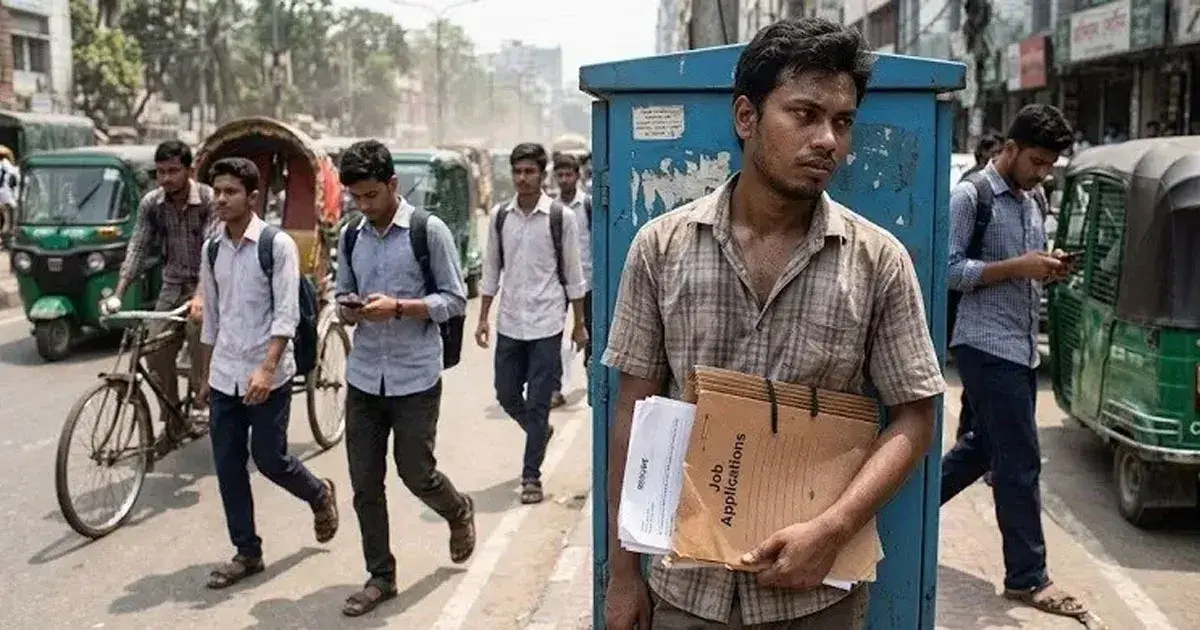
Nearly 29 percent of highly educated youth in Bangladesh are unemployed: IMF
1 hour ago
by Bangla Press

Bangladesh
114 flights from Dhaka to Saudi Arabia cancelled; 17,701 passengers left in uncertainty
1 hour ago
by Bangla Press

Bangladesh
The Constitution is obligated to ensure the security of followers of all religions: Home Minister
18 hours ago
by Bangla Press
.jpg)
Bangladesh
Bangladesh to seek the return of Sheikh Hasina during talks with India
18 hours ago
by Bangla Press
Sangeet Academy