

Safe water points improve lives of low-income people in Cumilla, curb women’s harassment

Bangla Press
Published: 21 December 2025, 12:44 AM
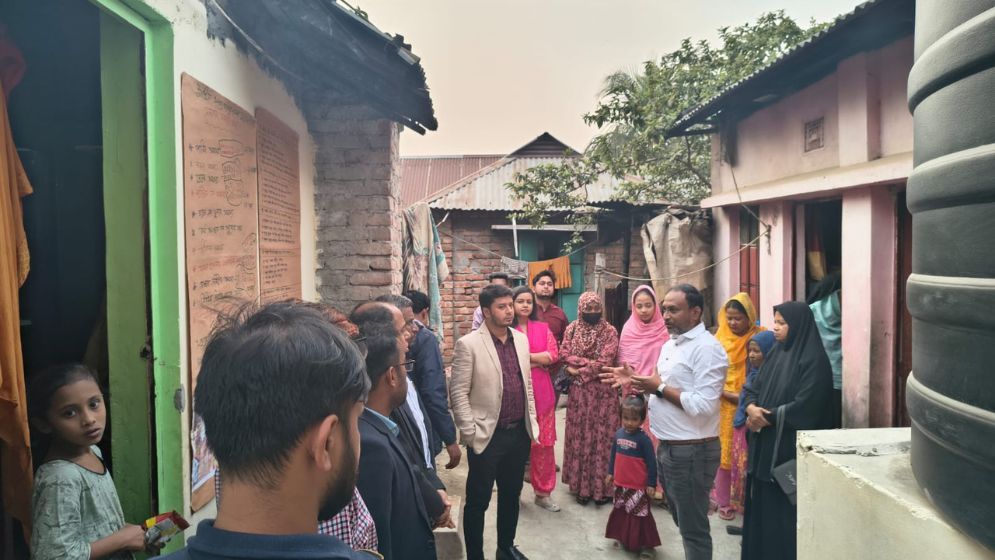
Bangla Press Desk: Safe drinking water, a basic necessity of daily life, has transformed living conditions for low-income communities in Cumilla City Corporation through an initiative by The Coca-Cola Foundation and Water & Sanitation for the Urban Poor (TCCF–WSUP).
A visit to neighbourhoods such as Dishabandh Community on Padurbazar Road and Thira Pukurpar shows how access to nearby water points has eased women’s daily burdens. Previously, women relied on polluted ponds, distant tube wells or roadside standpipes—often walking long distances, waiting in queues and facing insecurity and harassment. With water points now close to their homes, women can collect safe water easily, saving time and reducing risk.
Residents say the change has been life-altering. Majeda Begum recalled spending most of her day fetching water from nearly two kilometres away. “Now water is right beside our homes. We save time and can do more productive work,” she said. For 60-year-old Khodeja Begum, who struggled due to age and illness, nearby access to clean water has brought major relief.
Community leader Nurjahan Begum Dolly said, “The lack of safe water was our biggest problem. About 20 families had to collect water from far away. Since women usually fetched water, fear often stopped them from going. Now they can go out safely and collect water without fear.”
Rina Akhter, head of the maintenance committee, said, “We have been trained on how to fix minor problems and provided with toolboxes so we can handle small repairs ourselves.”
WSUP Country Manager Uttam Kumar Saha said, “Alongside ensuring safe water for all, this initiative has brought many positive changes to people’s daily lives. With water available close to home, harassment of women has decreased and families are becoming largely free from health risks,” he said.
Mohammad Yousuf, assistant engineer (water supply) of Cumilla City Corporation, said, “This project is a successful example of urban water management. Low-income people who previously lacked regular access to water are now receiving safe water. We are providing regular monitoring and technical support to ensure sustainability.”
Maulana Noman Alamgir, master trainer for Cumilla district and chief khatib of the DC Office Mosque, described the initiative as highly important. “Clean water is essential not only for health, but also from a religious perspective,” he said, adding that imams across the district have been instructed to raise awareness in mosques about safe water use and preventing wastage.
Project data show that more than 150 water points have been installed across Cumilla over the past two years. Access to round-the-clock safe water has risen from 11 percent of households to 77 percent. Women now save one to two hours daily, while reported waterborne diseases have dropped sharply—from 42 percent to below 2 percent in project areas.
The initiative has also strengthened community capacity. Over 1,200 people, many of them women, have been trained in water management and basic maintenance. In Dishabandh alone, two water points serve 40 families, benefiting more than 300 people. Improved access has reduced illness, lowered household costs and improved girls’ school attendance.
WSUP Bangladesh says the Cumilla project demonstrates how safe water can drive broader social change. Local authorities believe the model can be replicated in other cities, marking a significant step toward dignity, safety and healthier lives for urban low-income communities.
BP/SP
[Bangla Press is a global platform for free thought. It provides impartial news, analysis, and commentary for independent-minded individuals. Our goal is to bring about positive change, which is more important today than ever before.]
YOU MAY ALSO LIKE
.jpg)
.jpg)
Bangladesh
5 arrested in connection with the leaking of Youth Development exam questions
20 hours ago
by Bangla Press
.jpg)
Bangladesh
All flights from Dammam to Riyadh suspended until October 18
20 hours ago
by Bangla Press
Sangeet Academy