

Time for Bangladesh to embrace Mirpur as its spin center

Bangla Press
Published: 24 October 2025, 04:33 PM

Bangla Press Desk: India has Chennai. You can add Nagpur or Kanpur, where wickets traditionally turn. Sri Lanka is even more famous for spin. Their iconic R. Premadasa International Cricket Stadium in Colombo has long been aided toward spin-friendly conditions. It’s a rare venue where, under lights, the ball grips and turns more—defying the usual logic that batting becomes easier at night. Most other Sri Lankan venues too have a reputation for assisting spinners, barring a few exceptions.
In Australia, the Sydney Cricket Ground has long been regarded as a spinner’s paradise, while The Oval in England is known for rewarding slow bowlers with drift and bounce.
Even in South Africa, Gqeberha—formerly known as Port Elizabeth—has turned into a happy hunting ground for the spinners in recent years.
Nearly every Test-playing nation has one recognised “spin center,” a ground where turn is expected more often than not.
For Bangladesh, that venue is unmistakably the Sher-e-Bangla National Cricket Stadium in Mirpur.
It always spins here in Mirpur—sometimes excessively so. The home team and their opponents both arrive knowing that turn will play a big role. Given how consistent this pattern has been, many within the cricket fraternity now feel it’s time Bangladesh officially embraces Mirpur as its spin hub and works on developing other venues into more sporting wickets to ensure variety across the country.
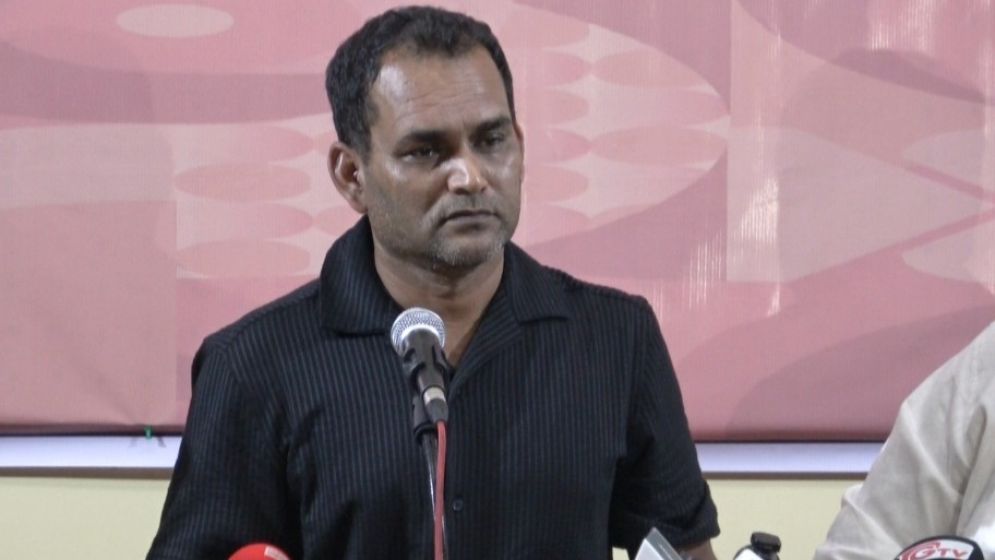
“I have been talking about it for a long time,” said former Bangladesh captain Habibul Bashar.
“If you look at Pakistan, when they lost to England in those 800-run Test matches, they started producing spin-friendly wickets that help bowlers like Noman Ali and Sajid Khan. India do the same despite being a very strong team. Sri Lanka have always been famous for spin. So, in the subcontinent, there will always be some venues where it spins—it should be normal,” he said.
But in Bangladesh, spin-friendly conditions still trigger debate.
Every time Mirpur hosts an international fixture, wicket talk overshadows the cricketing conversation. The recently concluded ODI series against the West Indies was no exception, with the nature of the surface dominating post-match discussions more than individual performances or tactical battles.
“In Bangladesh, we talk a great deal about the nature of the wicket,” Bashar added. “I don’t think that’s ideal. It shouldn’t be a surprise when Mirpur spins. And mind you, there was a Test match here one or two years ago where most of the wickets were taken by pacers. So, having home advantage shouldn’t be seen as a big issue.”
Current ODI captain Mehidy Hasan Miraz echoed Bashar’s views after leading Bangladesh to a 2-1 series win over the West Indies.
“We always know what the Mirpur wicket will be like—this is nothing new to us,” Miraz said.
“I’ve been playing international cricket for nine years now, and I made my debut on this same wicket. The difference is not that significant.”
Miraz also pointed out a subtle shift in the surface’s character.
“What I felt was the difference is that earlier, when we played on this wicket, there was some grass. Now there is no grass. With grass, the ball sometimes skids, but without it, the ball becomes a bit slower. That’s really the only difference I’ve noticed.”
He further backed the concept of home advantage, calling it a natural part of cricket worldwide.
“Wherever you play, every team takes its home advantage,” said Miraz.
“When we play in New Zealand, they definitely do it with green pitches and seam-friendly conditions. So, if any team comes to Bangladesh, we will also take our home advantage. Because at the end of the day, everyone wants results.”
At the same time, the all-rounder stressed the importance of context when judging Bangladesh’s performance.
“Maybe we couldn’t do very well at the World Cup, but that’s a different process altogether,” he explained. “That kind of preparation requires long-term planning—maybe two or three months ahead of the tournament—how we will play, where we will conduct skill camps, and what kind of wickets we’ll practice on. But for bilateral series, I think home advantage is very important.”
As global cricket increasingly leans toward result-oriented pitches, Mirpur’s reputation as a turning track has only grown.
For visiting teams, it’s a trial by spin. For Bangladesh, it’s an identity. This article was originally published on the Daily Sun.
BP/ZE
[Bangla Press is a global platform for free thought. It provides impartial news, analysis, and commentary for independent-minded individuals. Our goal is to bring about positive change, which is more important today than ever before.]
YOU MAY ALSO LIKE

-6a9806faa4202.webp)
Sports
Paredes Says Argentina Face Uncertainty Amid Suspension, Messi Retirement Talk
1 week ago
by Bangla Press

Sangeet Academy