
 Bangla Press Desk: In a move aimed at reducing retaliatory tariffs, Bangladesh is set to purchase 25 aircraft from American aerospace manufacturer Boeing, intended for the national flag carrier, Biman Bangladesh Airlines. Some of these aircraft are expected to arrive within the next couple of years. However, Biman officials claim they have yet to be formally informed of the deal.
This marks the largest aircraft procurement plan in Biman’s history. Yet, questions loom over how the financially fragile airline — which struggles to fill flights on many of its routes — will bear the burden of such a massive fleet expansion.
The government claims the agreement will expand Bangladesh’s airspace capabilities and strengthen global connectivity. However, internal audits tell a different story: Biman is operating under multiple limitations, unable to shut down loss-making routes and grappling with an oversized workforce.
Aviation insiders have raised concerns over such a major financial commitment being made while keeping Biman itself in the dark. They argue that while acquiring 25 new Boeing aircraft is undoubtedly a bold step, such ambition may cripple the airline unless it becomes more efficient, organised, and transparent.
Bangla Press Desk: In a move aimed at reducing retaliatory tariffs, Bangladesh is set to purchase 25 aircraft from American aerospace manufacturer Boeing, intended for the national flag carrier, Biman Bangladesh Airlines. Some of these aircraft are expected to arrive within the next couple of years. However, Biman officials claim they have yet to be formally informed of the deal.
This marks the largest aircraft procurement plan in Biman’s history. Yet, questions loom over how the financially fragile airline — which struggles to fill flights on many of its routes — will bear the burden of such a massive fleet expansion.
The government claims the agreement will expand Bangladesh’s airspace capabilities and strengthen global connectivity. However, internal audits tell a different story: Biman is operating under multiple limitations, unable to shut down loss-making routes and grappling with an oversized workforce.
Aviation insiders have raised concerns over such a major financial commitment being made while keeping Biman itself in the dark. They argue that while acquiring 25 new Boeing aircraft is undoubtedly a bold step, such ambition may cripple the airline unless it becomes more efficient, organised, and transparent.
Tk50,000 crore burden looms over Biman

Banglapress
Published: 23 September 2025, 10:25 AM
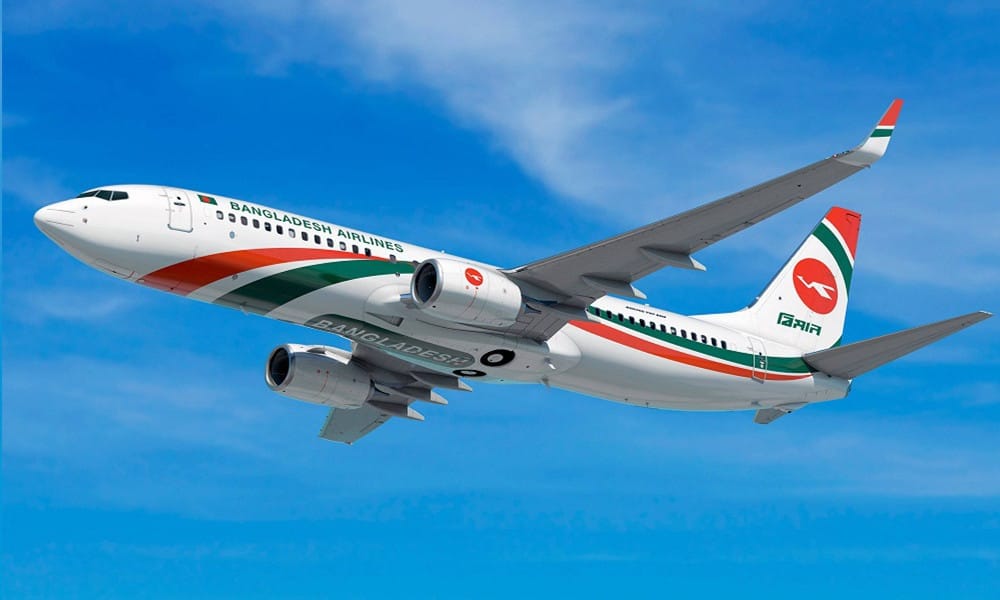 Bangla Press Desk: In a move aimed at reducing retaliatory tariffs, Bangladesh is set to purchase 25 aircraft from American aerospace manufacturer Boeing, intended for the national flag carrier, Biman Bangladesh Airlines. Some of these aircraft are expected to arrive within the next couple of years. However, Biman officials claim they have yet to be formally informed of the deal.
This marks the largest aircraft procurement plan in Biman’s history. Yet, questions loom over how the financially fragile airline — which struggles to fill flights on many of its routes — will bear the burden of such a massive fleet expansion.
The government claims the agreement will expand Bangladesh’s airspace capabilities and strengthen global connectivity. However, internal audits tell a different story: Biman is operating under multiple limitations, unable to shut down loss-making routes and grappling with an oversized workforce.
Aviation insiders have raised concerns over such a major financial commitment being made while keeping Biman itself in the dark. They argue that while acquiring 25 new Boeing aircraft is undoubtedly a bold step, such ambition may cripple the airline unless it becomes more efficient, organised, and transparent.
Bangla Press Desk: In a move aimed at reducing retaliatory tariffs, Bangladesh is set to purchase 25 aircraft from American aerospace manufacturer Boeing, intended for the national flag carrier, Biman Bangladesh Airlines. Some of these aircraft are expected to arrive within the next couple of years. However, Biman officials claim they have yet to be formally informed of the deal.
This marks the largest aircraft procurement plan in Biman’s history. Yet, questions loom over how the financially fragile airline — which struggles to fill flights on many of its routes — will bear the burden of such a massive fleet expansion.
The government claims the agreement will expand Bangladesh’s airspace capabilities and strengthen global connectivity. However, internal audits tell a different story: Biman is operating under multiple limitations, unable to shut down loss-making routes and grappling with an oversized workforce.
Aviation insiders have raised concerns over such a major financial commitment being made while keeping Biman itself in the dark. They argue that while acquiring 25 new Boeing aircraft is undoubtedly a bold step, such ambition may cripple the airline unless it becomes more efficient, organised, and transparent.
[Bangla Press is a global platform for free thought. It provides impartial news, analysis, and commentary for independent-minded individuals. Our goal is to bring about positive change, which is more important today than ever before.]
YOU MAY ALSO LIKE

.jpg)
Bangladesh
The number of mobile users in the country has surpassed 190 million.
1 hour ago
by Bangla Press

Bangladesh
Nearly 29 percent of highly educated youth in Bangladesh are unemployed: IMF
1 hour ago
by Bangla Press
Bangladesh
114 flights from Dhaka to Saudi Arabia cancelled; 17,701 passengers left in uncertainty
1 hour ago
by Bangla Press

Bangladesh
The Constitution is obligated to ensure the security of followers of all religions: Home Minister
18 hours ago
by Bangla Press
.jpg)
Bangladesh
Bangladesh to seek the return of Sheikh Hasina during talks with India
18 hours ago
by Bangla Press
Sangeet Academy