Noman Sabit: Immigrants’ DNA to be tested under new DHS plan The Department of Homeland Security (DHS) has proposed a new rule that would expand the collection and use of biometrics from individuals applying for immigration benefits, including DNA testing, according to a filing in the Federal Register.
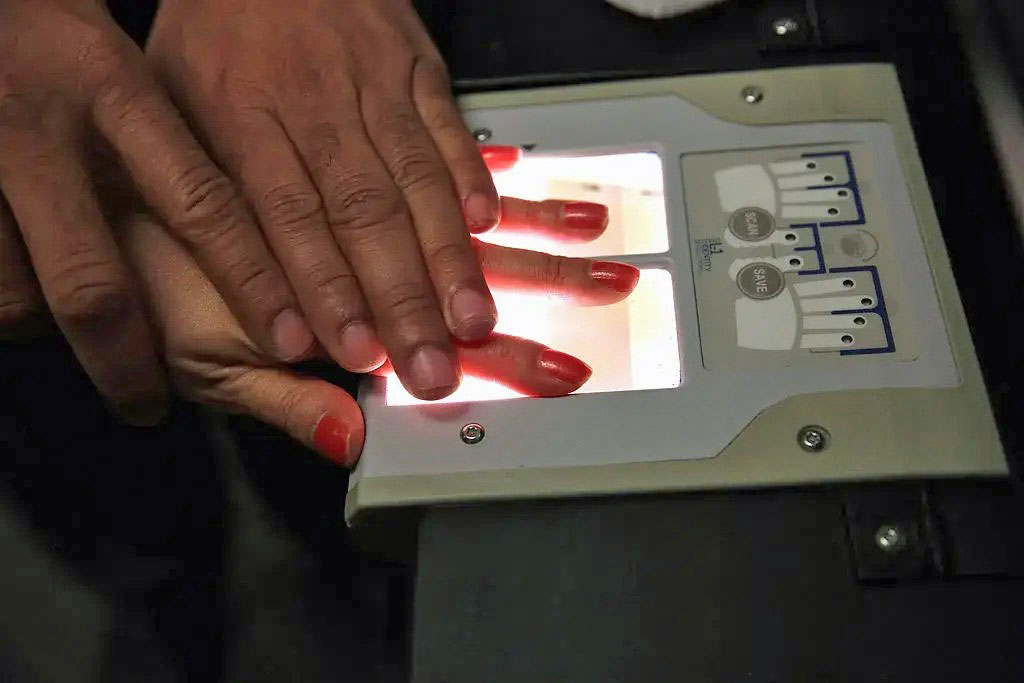
Under the proposed rule, DHS’s U.S. Citizenship and Immigration Services (USCIS) would require submission of biometric information from nearly all applicants and individuals associated with immigration-related requests, regardless of age, unless specifically exempted. The rule would also broaden DHS’s authority to collect biometrics following the arrest of non-citizens and formally define the term “biometrics,” which includes fingerprints, facial and iris scans, and DNA.
Experts told Newsweek that the rule represents an expansion of existing policies. Morgan Bailey, a partner at Mayer Brown and former senior DHS official, said the proposal builds on prior initiatives to collect biometric information, but broadens the scope to include nearly all applicants and related individuals, such as petitioners or sponsors. “It would eliminate the age limits,” Bailey told Newsweek. “In general, biometrics are not collected for children who are under the age of 14 and individuals over 79. This restriction would be removed from many benefit categories.”
Bailey also highlighted that the proposal expands the types of biometrics collected beyond fingerprints and photos. “This rule expands biometrics from just fingerprints, signature, and photo to ocular, potentially voice prints, and even DNA,” Bailey said.
In some cases, DNA collection may help establish relationships when other documentation, such as birth certificates, is unavailable, Bailey said.
“That’s not necessarily a bad thing. Requiring DNA testing may be beneficial. In fact, in some instances, the petitioner and beneficiary may actually want there to be DNA testing because it provides probative evidence that there actually is a genetic relationship,” Bailey said. The rule codifies requirements for reusing biometric data, expands the collection, storage, and use of DNA, and establishes an “extraordinary circumstances” standard to excuse missed appointments for biometric services. It also modifies how certain applicants, such as those filing under the Violence Against Women Act (VAWA) or seeking T nonimmigrant status, demonstrate good moral character. DHS said the rule clarifies the purposes for which biometrics may be collected.
Bailey emphasized that the proposal shifts the focus from individual applications to a “person-centric” approach, meaning USCIS would consider the totality of an individual’s biometric record rather than handling each form separately.
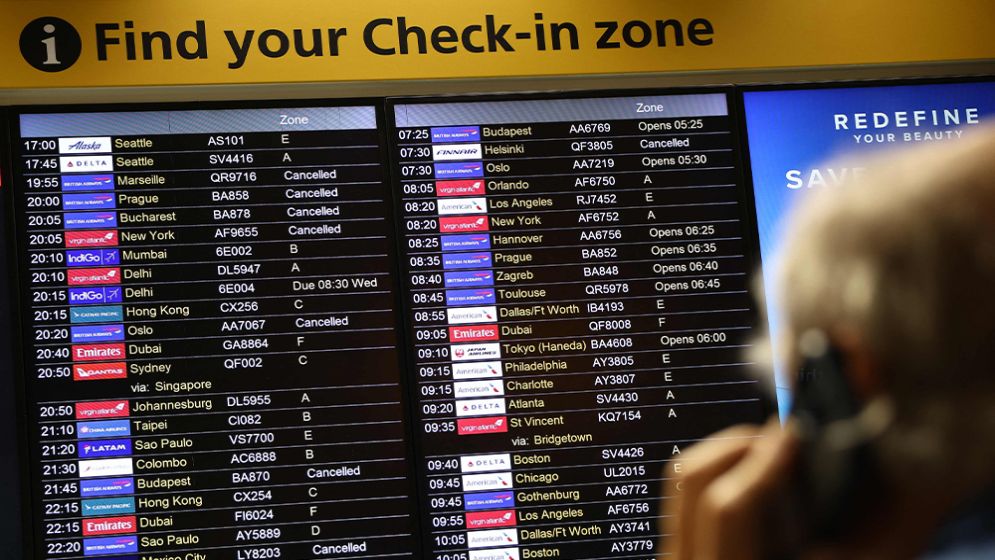
The new rule comes after the federal government announced plans to photograph all non-citizens entering and leaving the country, citing advances in facial recognition technology. According to a recent Federal Register filing, U.S. Customs and Border Protection (CBP) will expand existing photo and data collection at land, sea, and airport ports to prevent travel document fraud and enhance national security. The measures would affect all non-U.S. citizens, including green card holders and immigrants living in the country.
BP/SM
[Bangla Press is a global platform for free thought. It provides impartial news, analysis, and commentary for independent-minded individuals. Our goal is to bring about positive change, which is more important today than ever before.]

 E-paper