
 Bangla Press Desk: Faiz Ahmad Taiyeb, Special Assistant on Posts, Telecommunications, and ICT Affairs to the Chief Adviser, stated that he has come under fire from telecom mafias for promoting cost efficiency, inter-project coordination, and rational technical capacity-building within government institutions. “I’m in the grip of a criminal syndicate,” he said. “This is how mafia networks operate—when you remain honest and threaten their vested interests, all the hyenas will close in.”
In a recent interview with Bengali daily 'Bangladesh Pratidin', he declared, “I will not back down. No threat will silence me. Since I have not engaged in corruption, violated procedure, or stolen public funds—I have no fear.”
Taiyeb continued, “I have fought against fascist Hasina. I will bury the mafia syndicates in the telecom and ICT sectors. The fight will go on—with high moral ground.”
He also addressed recent procurement allegations involving BTCL’s “Optical Fibre Transmission Network Expansion” project, aimed at 5G readiness. “This project was initiated and tendered under the previous government. The tender process was influenced during their time, and a Letter of Credit (LC) worth Tk2.9 billion had already been paid before I or Nahid Islam took office. Taking these facts into account, I personally visited the Anti-Corruption Commission (ACC) chairman. I told him, ‘Sir, since the money is already gone, the bidder (Huawei) was the lowest, and BUET has cleared the misinformation around capacity, we will form a committee to ensure the equipment is verified before delivery.’”
Bangla Press Desk: Faiz Ahmad Taiyeb, Special Assistant on Posts, Telecommunications, and ICT Affairs to the Chief Adviser, stated that he has come under fire from telecom mafias for promoting cost efficiency, inter-project coordination, and rational technical capacity-building within government institutions. “I’m in the grip of a criminal syndicate,” he said. “This is how mafia networks operate—when you remain honest and threaten their vested interests, all the hyenas will close in.”
In a recent interview with Bengali daily 'Bangladesh Pratidin', he declared, “I will not back down. No threat will silence me. Since I have not engaged in corruption, violated procedure, or stolen public funds—I have no fear.”
Taiyeb continued, “I have fought against fascist Hasina. I will bury the mafia syndicates in the telecom and ICT sectors. The fight will go on—with high moral ground.”
He also addressed recent procurement allegations involving BTCL’s “Optical Fibre Transmission Network Expansion” project, aimed at 5G readiness. “This project was initiated and tendered under the previous government. The tender process was influenced during their time, and a Letter of Credit (LC) worth Tk2.9 billion had already been paid before I or Nahid Islam took office. Taking these facts into account, I personally visited the Anti-Corruption Commission (ACC) chairman. I told him, ‘Sir, since the money is already gone, the bidder (Huawei) was the lowest, and BUET has cleared the misinformation around capacity, we will form a committee to ensure the equipment is verified before delivery.’”
'We won’t be silenced by intimidation'

Banglapress
Published: 23 September 2025, 10:25 AM
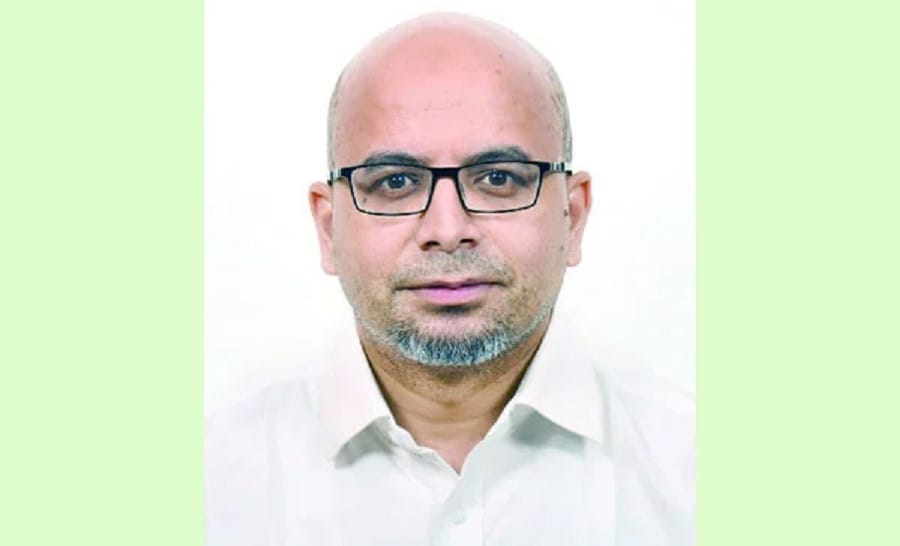 Bangla Press Desk: Faiz Ahmad Taiyeb, Special Assistant on Posts, Telecommunications, and ICT Affairs to the Chief Adviser, stated that he has come under fire from telecom mafias for promoting cost efficiency, inter-project coordination, and rational technical capacity-building within government institutions. “I’m in the grip of a criminal syndicate,” he said. “This is how mafia networks operate—when you remain honest and threaten their vested interests, all the hyenas will close in.”
In a recent interview with Bengali daily 'Bangladesh Pratidin', he declared, “I will not back down. No threat will silence me. Since I have not engaged in corruption, violated procedure, or stolen public funds—I have no fear.”
Taiyeb continued, “I have fought against fascist Hasina. I will bury the mafia syndicates in the telecom and ICT sectors. The fight will go on—with high moral ground.”
He also addressed recent procurement allegations involving BTCL’s “Optical Fibre Transmission Network Expansion” project, aimed at 5G readiness. “This project was initiated and tendered under the previous government. The tender process was influenced during their time, and a Letter of Credit (LC) worth Tk2.9 billion had already been paid before I or Nahid Islam took office. Taking these facts into account, I personally visited the Anti-Corruption Commission (ACC) chairman. I told him, ‘Sir, since the money is already gone, the bidder (Huawei) was the lowest, and BUET has cleared the misinformation around capacity, we will form a committee to ensure the equipment is verified before delivery.’”
Bangla Press Desk: Faiz Ahmad Taiyeb, Special Assistant on Posts, Telecommunications, and ICT Affairs to the Chief Adviser, stated that he has come under fire from telecom mafias for promoting cost efficiency, inter-project coordination, and rational technical capacity-building within government institutions. “I’m in the grip of a criminal syndicate,” he said. “This is how mafia networks operate—when you remain honest and threaten their vested interests, all the hyenas will close in.”
In a recent interview with Bengali daily 'Bangladesh Pratidin', he declared, “I will not back down. No threat will silence me. Since I have not engaged in corruption, violated procedure, or stolen public funds—I have no fear.”
Taiyeb continued, “I have fought against fascist Hasina. I will bury the mafia syndicates in the telecom and ICT sectors. The fight will go on—with high moral ground.”
He also addressed recent procurement allegations involving BTCL’s “Optical Fibre Transmission Network Expansion” project, aimed at 5G readiness. “This project was initiated and tendered under the previous government. The tender process was influenced during their time, and a Letter of Credit (LC) worth Tk2.9 billion had already been paid before I or Nahid Islam took office. Taking these facts into account, I personally visited the Anti-Corruption Commission (ACC) chairman. I told him, ‘Sir, since the money is already gone, the bidder (Huawei) was the lowest, and BUET has cleared the misinformation around capacity, we will form a committee to ensure the equipment is verified before delivery.’”
[Bangla Press is a global platform for free thought. It provides impartial news, analysis, and commentary for independent-minded individuals. Our goal is to bring about positive change, which is more important today than ever before.]
YOU MAY ALSO LIKE

.jpg)
Bangladesh
The number of mobile users in the country has surpassed 190 million.
1 hour ago
by Bangla Press

Bangladesh
Nearly 29 percent of highly educated youth in Bangladesh are unemployed: IMF
1 hour ago
by Bangla Press

Bangladesh
114 flights from Dhaka to Saudi Arabia cancelled; 17,701 passengers left in uncertainty
1 hour ago
by Bangla Press
Bangladesh
The Constitution is obligated to ensure the security of followers of all religions: Home Minister
18 hours ago
by Bangla Press
.jpg)
Bangladesh
Bangladesh to seek the return of Sheikh Hasina during talks with India
18 hours ago
by Bangla Press
Sangeet Academy