Bangla Press Desk : The distance between the BNP and Jamaat-e-Islami within the landscape of Bangladeshi politics is becoming increasingly apparent. Amidst disagreements over constitutional amendments and the implementation of the 'July Charter,' allegations have surfaced regarding a purported collusion between Jamaat and the Awami League.
While senior BNP leaders have leveled these accusations, Jamaat has rejected them, countering with its own claim that it is the BNP—not Jamaat—that has reached an understanding with the Awami League.
According to political analysts, the current rift between the BNP and Jamaat—who once stood together in movements against the Awami League—centers on issues of state reform, the constitution, and the balance of political power. However, no concrete evidence has yet emerged to confirm whether any such understanding between Jamaat and the Awami League actually exists.
Recently, at a public meeting in Rajshahi, Prime Minister Tarique Rahman alleged that the ousted Awami League is providing funding to incite labor unrest in several of the country’s industrial facilities. According to him, one faction is supplying funds from across the border, while another political party within the country is working to create instability.
Following the Prime Minister’s remarks, other BNP leaders also hinted at a potential collusion between Jamaat and the Awami League.
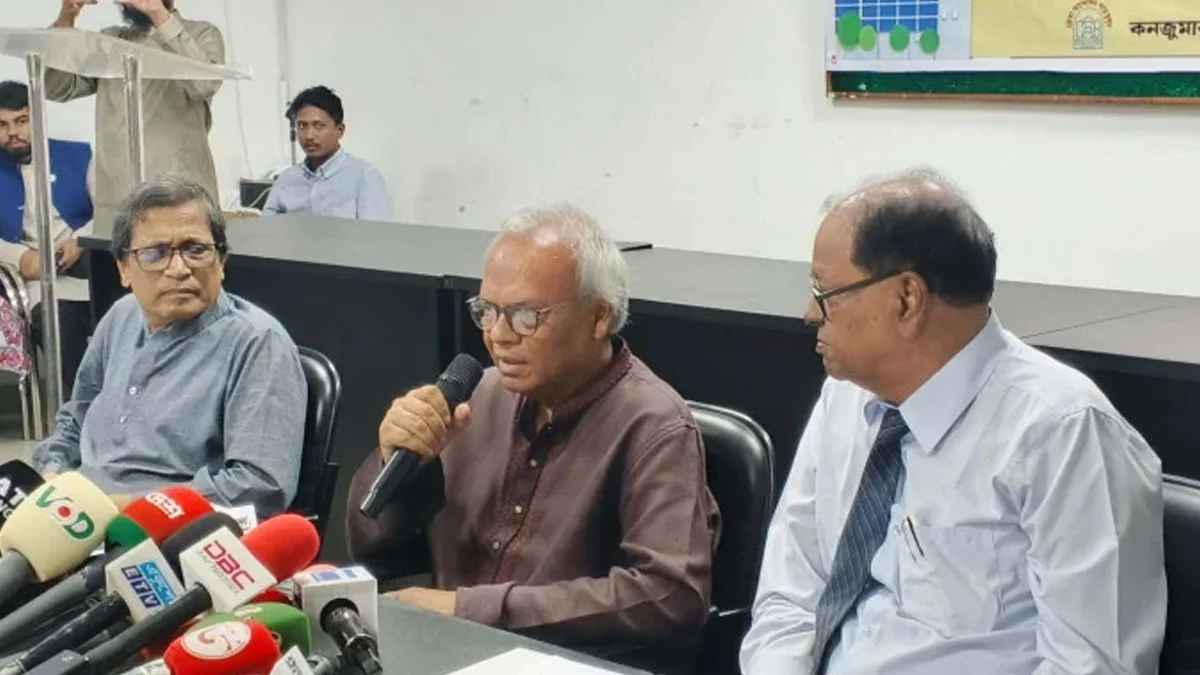
Ruhul Kabir Rizvi, the BNP’s Acting Secretary General and political advisor to the Prime Minister, stated that there is public suspicion regarding potential ties between Jamaat and the Awami League. He further suggested that the Awami League might even be involved in Jamaat’s current anti-government movement.
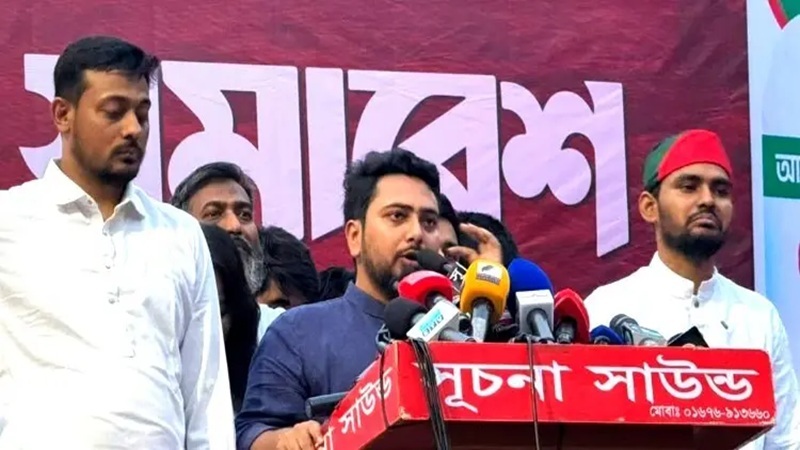
Conversely, Jamaat Assistant Secretary General Hamidur Rahman Azad has dismissed these allegations. He pointed out that the Awami League had executed top Jamaat leaders, shuttered the party’s offices, and obstructed its political activities—making the notion of a collusion between the two parties entirely implausible.
Instead, Azad alleged that it is the BNP that has reached an understanding with the Awami League, noting that while the BNP was permitted to conduct political activities during the Awami League’s tenure, Jamaat faced persistent obstacles.
Rizvi, the BNP’s Acting Secretary General, reiterated his claim that the Awami League might be involved in the movement currently being led by Jamaat.
He remarked that Jamaat is now attempting, in secret, to collaborate with certain parties to undermine the government and bring about its swift collapse. However, I have serious doubts as to whether they even grasp the immense danger that could arise from such actions—a scenario from which they themselves would stand to gain nothing.
Beyond intelligence reports or alleged plots to topple the government, the BNP perceives a third reason for a potential collusion between Jamaat and the Awami League: a deliberate attempt to create a "deadlock" regarding the 'July Charter' and the Constitution.
**Disputes over the Constitution and the July Charter**
A key factor in the current rift between the BNP and Jamaat is their disagreement over constitutional reform and the implementation of the 'July National Charter.'
Jamaat and its 11-party alliance advocate for the full, verbatim implementation of the July Charter—which was endorsed via a public referendum. The BNP, conversely, has raised objections to specific provisions within the Charter for which it had previously registered a 'note of dissent.'
The two sides also hold divergent views on the Constitution. Jamaat seeks comprehensive constitutional reform, whereas the BNP favors making necessary amendments while remaining within the framework of the existing Constitution.
Consequently, opposition parties have boycotted initiatives in Parliament aimed at constitutional amendment. The lack of a political consensus has resulted in a stalemate.
BNP leader Ruhul Kabir Rizvi argues that by maintaining an inflexible stance on constitutional reform, these opposition groups are weakening the democratic system—potentially creating an opening for the ousted Awami League to return to the political arena.
Nevertheless, BNP leaders maintain that their allegations of a secret understanding between Jamaat and the Awami League are not merely a tactic to exert political pressure; rather, they claim to possess intelligence supporting these assertions.
Jamaat leader Hamidur Rahman Azad, however, dismisses the BNP’s claims as an attempt to sow political confusion. He alleges that the government is deliberately bringing up the Awami League to divert public attention away from the July Charter and the issue of the public referendum.
**What is the Awami League’s position?**
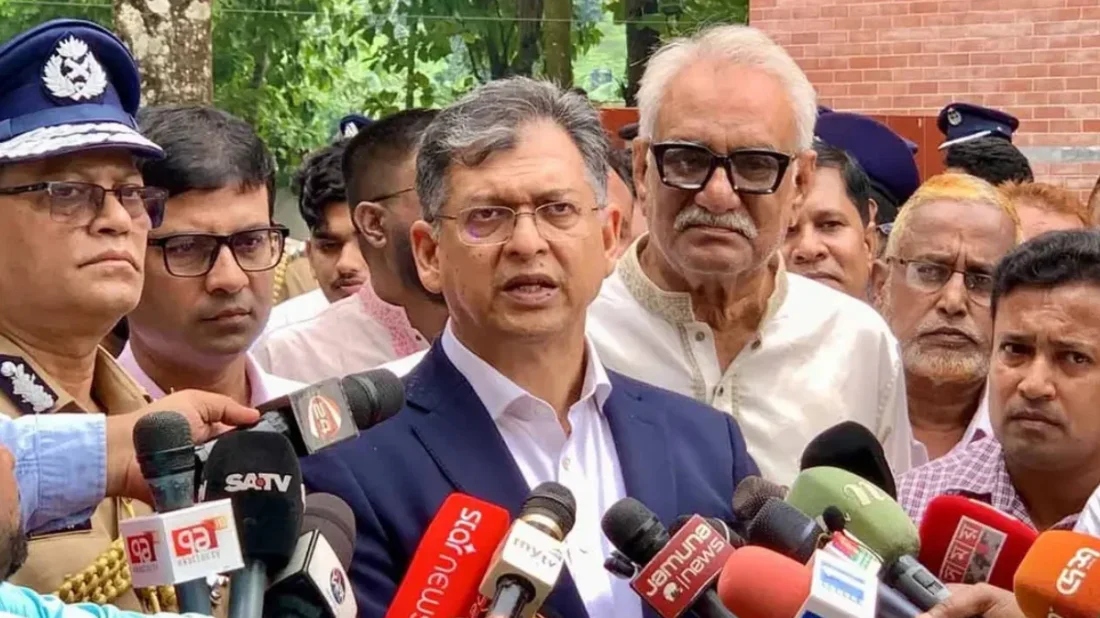
Following the fall of the Awami League government during the student-led mass uprising on August 5, 2024, the party’s activities were banned. Many of its top leaders have fled the country, while others are currently facing trial in various legal cases. Addressing the mutual accusations of collusion involving the BNP and Jamaat, Awami League Joint General Secretary AFM Bahauddin Nasim stated that the Awami League is not engaging in politics through any secret understandings with other parties.
He asserted that there is no ideological difference between the BNP, Jamaat, and the NCP. The Awami League, he added, stands with the people and works for their benefit.
Is the Awami League becoming relevant in politics once again?
Amid the reciprocal accusations between the BNP and Jamaat, Professor Sayeed Ferdous of Jahangirnagar University has raised questions regarding the Awami League’s political relevance.
According to him, by accusing each other of colluding with the Awami League, both parties are effectively placing the Awami League back at the center of political discourse.
He noted that it is difficult for the general public to ascertain which party might actually have an understanding with the Awami League. Regardless, such mutual accusations fail to foster the desired stability or an environment for constructive political dialogue in the country.
Professor Sayeed Ferdous observes that instead of focusing on resolving the problems faced by the public, political parties are reverting to the old pattern of blaming one another.
Ultimately, amidst the disagreements between the BNP and Jamaat regarding the Constitution and the ‘July Charter,’ these new allegations and counter-allegations surrounding the Awami League have sparked yet another controversy in the nation’s political landscape.
[Bangla Press is a global platform for free thought. It provides impartial news, analysis, and commentary for independent-minded individuals. Our goal is to bring about positive change, which is more important today than ever before.]

 E-paper