
Netanyahu’s downfall or a new election: 5 scenarios facing Israel

Bangla Press
Published: 08 November 2026, 11:05 PM
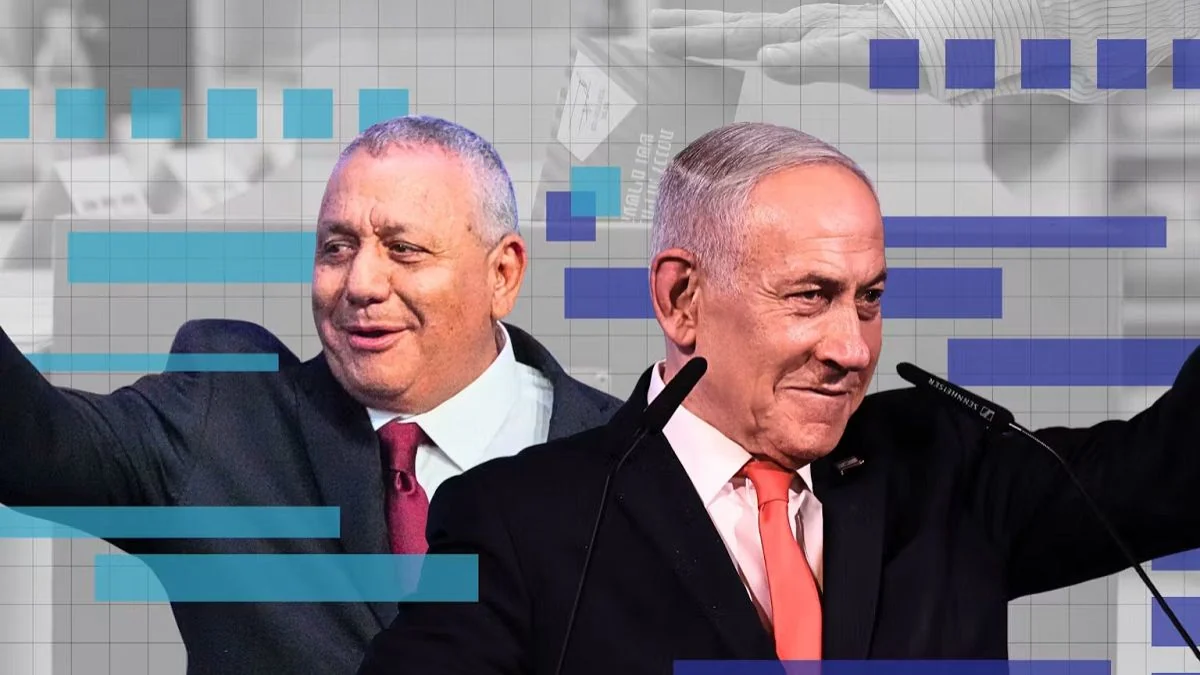
Bangla Press Desk : A complex new equation has emerged regarding who will occupy the seat of power in Israel. Gadi Eizenkot, a former military chief and opposition leader, has been given the opportunity to form a government, potentially ousting long-serving Prime Minister Benjamin Netanyahu. However, he faces significant challenges, primarily the lack of a parliamentary majority.
According to *The Times of Israel*, if Eizenkot fails, Netanyahu could once again be given the chance to form a government. Should both sides fail, the country might head toward fresh elections.
In the elections held on October 27, no single party or coalition secured a clear majority to form a government. To resolve this political deadlock, President Isaac Herzog tasked Eizenkot with forming a government on Saturday. Given the current situation, there are five potential scenarios for the future of Israeli politics.
Eizenkot could attempt to form a government with his allies—the 'Together' party, 'The Democrats,' and 'Yisrael Beiteinu' (Israel Our Home)—which would command 48 seats. With the external support of the two Arab parties, Ra'am and the Joint List—holding 19 seats combined—the total support would reach 67, providing a sufficient majority to sustain a government.
However, Eizenkot had pledged before the election not to include Arab parties in his government, making it politically difficult to accept their support. In particular, 'Yisrael Beiteinu,' led by Avigdor Liberman, has consistently opposed the formation of a minority government backed by Arab parties. Conversely, both Arab parties have signaled their support for Eizenkot, primarily to prevent Netanyahu from returning to power.
Alliance with Ultra-Orthodox Jewish Parties
Israel’s two ultra-Orthodox Jewish parties hold a combined total of 13 seats. If Eizenkot secures their support, his coalition would reach 61 seats, ensuring a parliamentary majority. Achieving this, however, would require a compromise regarding the exemption of ultra-Orthodox students from mandatory military service. While Eizenkot and his allies have been critical of this exemption, Liberman has recently hinted at the possibility of a compromise on the issue. While some within the United Torah Judaism party support Netanyahu, the party as a whole has not yet endorsed anyone.
Forming a Unity Government
A government could potentially be formed by an alliance led by Eisenkot and Netanyahu’s Likud party. If Eisenkot’s allies join this coalition, the total number of seats would reach 67. However, a key campaign promise made by Eisenkot’s allies was to remove Netanyahu from power; therefore, forming such an alliance would require them to abandon that stance.
Conversely, Netanyahu might have to part ways with his right-wing and ultra-Orthodox Jewish allies. If, after extensive negotiations, no other path emerges, discussions regarding a unity government could come to the fore.
Netanyahu’s Opportunity Should Eisenkot Fail
Eisenkot will have a maximum of 42 days to form a government. If he fails within this period, the President may once again task Netanyahu with the responsibility of forming a government. Following the election, the number of seats held by Netanyahu’s religious-nationalist coalition dropped from 64 to 53. Nevertheless, he could attempt to sway opposition lawmakers to his side; he has a history of altering political dynamics by causing rifts within opposition alliances.
New Elections
If both Eisenkot and Netanyahu fail to form a government, the parliament will have the opportunity to entrust the task to another candidate. This process allows for a timeframe of approximately 100 days. If, even then, no one succeeds in forming a government, new elections will be held.
Israeli President Isaac Herzog, however, hopes to avoid fresh elections. On Wednesday, he urged political parties to engage in discussions with an open mind. It remains to be seen which of these potential scenarios will shape the course of Israeli politics—whether Netanyahu will ultimately remain in power, or if Eisenkot will emerge to lead a new government.
[Bangla Press is a global platform for free thought. It provides impartial news, analysis, and commentary for independent-minded individuals. Our goal is to bring about positive change, which is more important today than ever before.]
YOU MAY ALSO LIKE
International
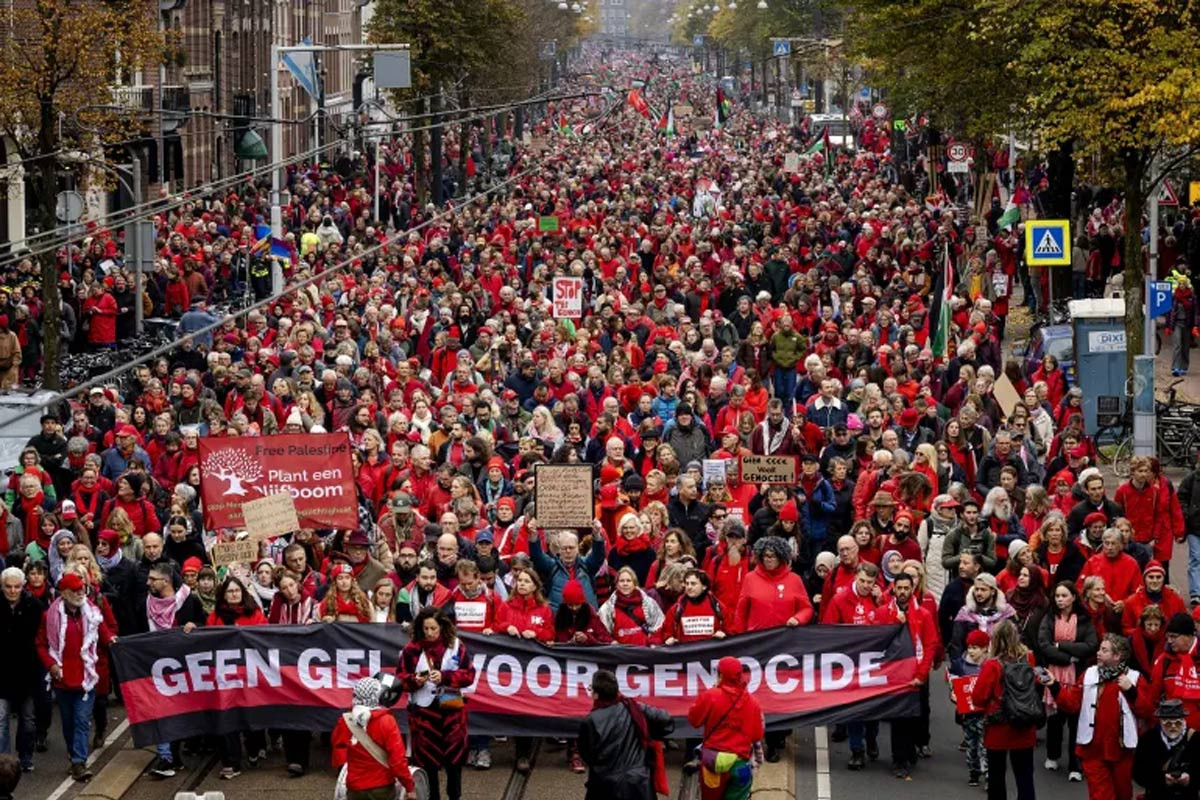
Hundreds of thousands protest against Israel in the Netherlands
5 hours ago
by Bangla Press
International
Trump announces launch of ‘Iron Gate’ operation to put pressure on Iran
13 hours ago
by Bangla Press
International
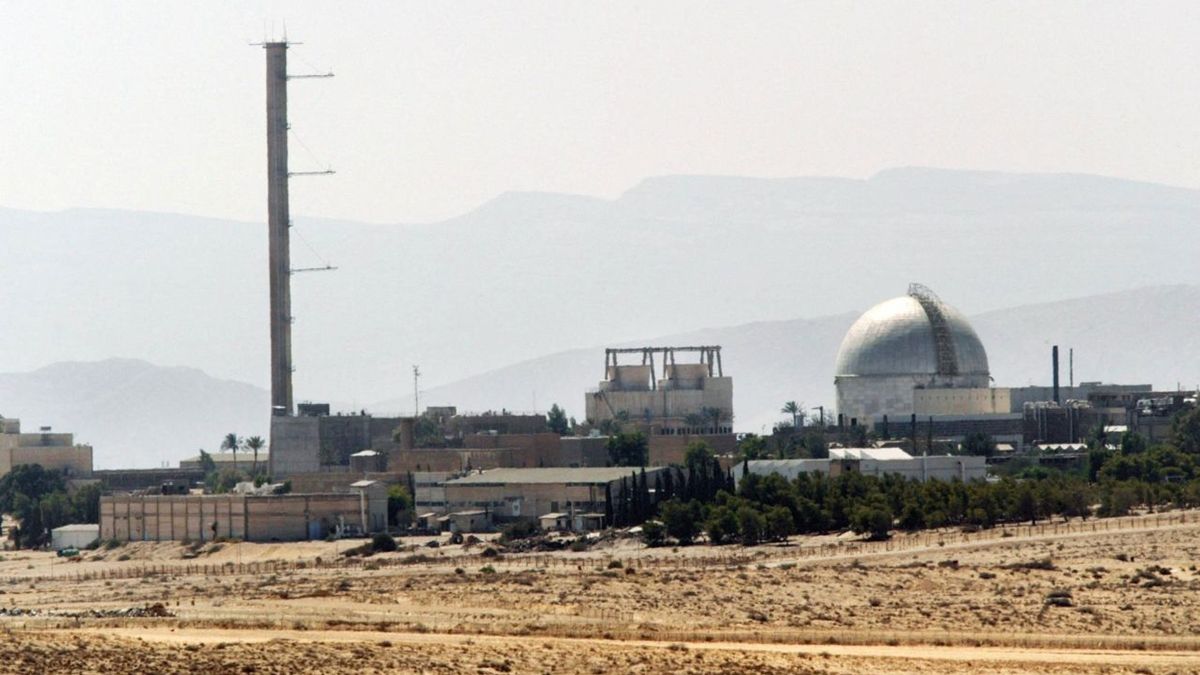
Israel has kept its possession of nuclear weapons a secret, and the United States has also failed to prevent this.
13 hours ago
by Bangla Press
International
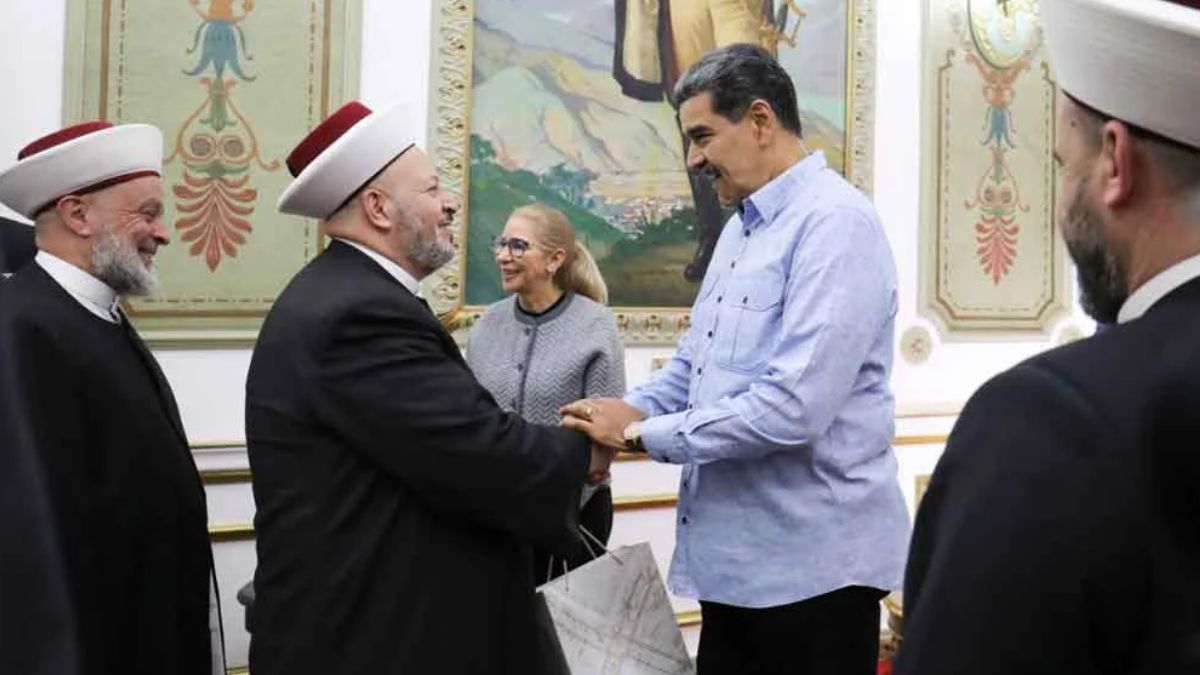
Maduro is reading the Quran and the Bible in prison, and is also meeting with members of the clergy.
13 hours ago
by Bangla Press
International
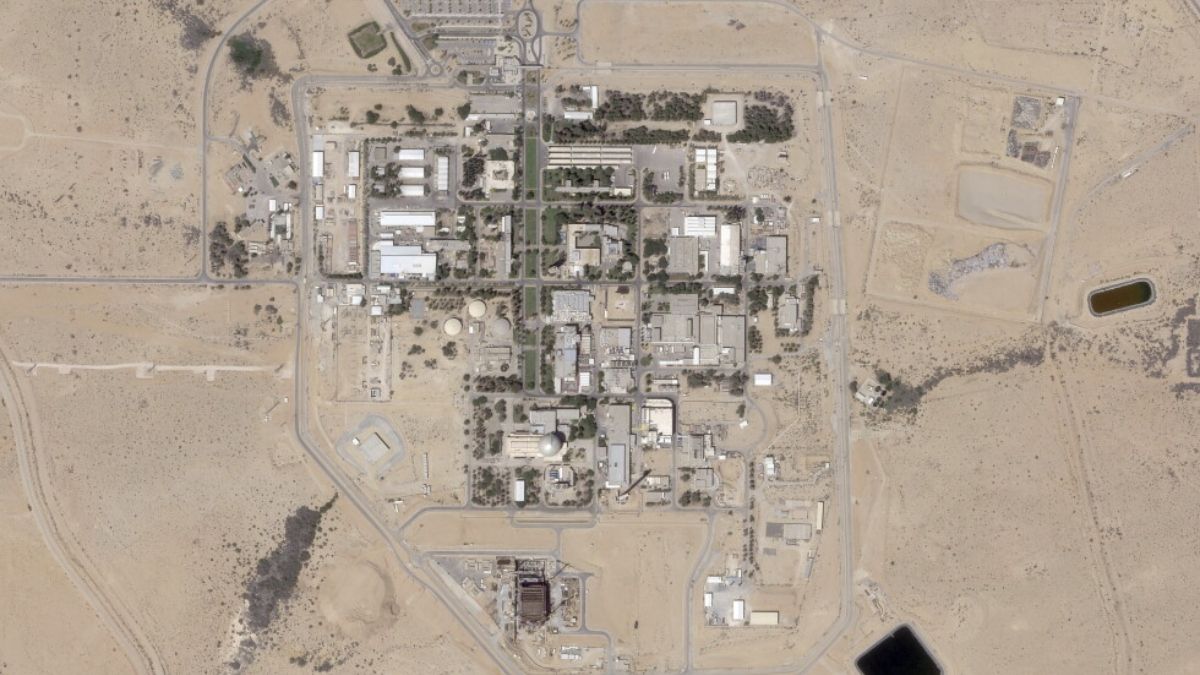
Israel has kept dangerous weapons hidden for 66 years under the guise of a ‘textile factory’
13 hours ago
by Bangla Press
Sangeet Academy