

Why do people choose solitude after experiencing trauma?

Bangla Press
Published: 19 November 2026, 08:27 AM
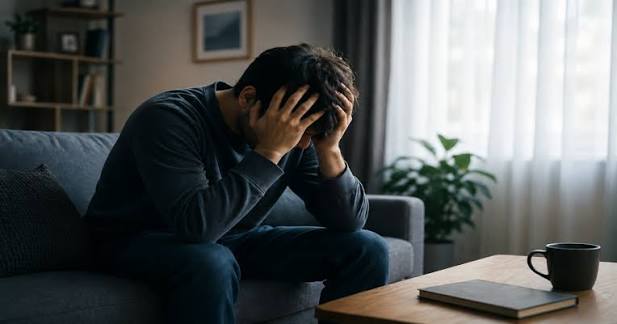
Photo: Collected
BanglaPress Desk: Experiences within a relationship can reshape a person’s thoughts, beliefs, and how they interact with others—especially in relationships marked by recurring emotional trauma, betrayal, or attempts at control. After leaving such a relationship, some individuals may prefer solitude, struggle to trust others, or become cautious about expressing their own feelings.
A report by the *Hindustan Times* notes that empathetic or sensitive individuals may undergo specific personality shifts following a relationship with someone who exhibits narcissistic traits—though these changes do not manifest the same way for everyone.
Finding comfort in solitude
Previously, one might have been eager for the company or attention of others.
However, after enduring an emotionally damaging relationship, some begin to prioritize solitude. They come to realize that being at peace with oneself is far more valuable than maintaining a connection with someone who disrupts one’s mental well-being.
During this phase, they may stop chasing people who only reach out when it serves their own needs. As the fear of being alone diminishes, so too does the tendency to succumb to the control or emotional pressure exerted by others.
Observing human behavior
Following a painful relationship, many become wary of relying solely on words. Rather than focusing on declarations of love, apologies, or promises of change, they place greater weight on consistent behavior.
They become attuned to patterns—such as the repeated use of the same excuses, discrepancies between words and actions, or the recurrence of problematic behaviors. They learn that sweet words do not always mask good intentions. Consequently, before entering a new relationship, they often look for parallels between their past experiences and their current situation.
Becoming more reserved
In the past, one might have responded to a misunderstanding by writing long, explanatory messages, repeatedly offering second chances, or striving to make others understand their perspective. After experiencing emotional trauma, however, some come to realize that not everyone is capable—or even willing—to understand them.
As a result, they tend to speak less, observe more, and become far more guarded about sharing personal matters. They also become less inclined to respond to every accusation or attempt to correct every misconception. They come to realize that it is not necessary to react in every situation, nor is it required to provide an explanation to everyone.
Does change necessarily imply a problem with one’s personality?
Choosing to be alone after a painful relationship, taking time to trust others, or establishing personal boundaries—these are not always negative changes. In many cases, they may be attempts to protect one’s own mental peace and sense of security. However, if such experiences lead to persistent fear, anxiety, distrust, or isolation that disrupts one’s normal life, seeking support from a mental health professional can be beneficial. Experiences within relationships can indeed change a person; yet, such change does not mean one must push everyone away. On the contrary, it is entirely possible to build healthy, trustworthy relationships while still maintaining one’s personal boundaries.
BP/TD
[Bangla Press is a global platform for free thought. It provides impartial news, analysis, and commentary for independent-minded individuals. Our goal is to bring about positive change, which is more important today than ever before.]
YOU MAY ALSO LIKE

Lifestyle
Prepare 3 remedies using amla (Indian gooseberry) to manage winter colds and coughs.
1 week ago
by Bangla Press

Lifestyle
Planning a trip to Saint Martin? Keep these things in mind before you prepare.
1 week ago
by Bangla Press

Lifestyle
Over 80 million land records are available online; land records can now be viewed from the comfort of one's home.
2 weeks ago
by Bangla Press

Lifestyle
What should you check before signing during land registration? Find out here.
3 weeks ago
by Bangla Press

Lifestyle
Why do frequent headaches occur? Find out the possible causes.
3 weeks ago
by Bangla Press
Sangeet Academy