
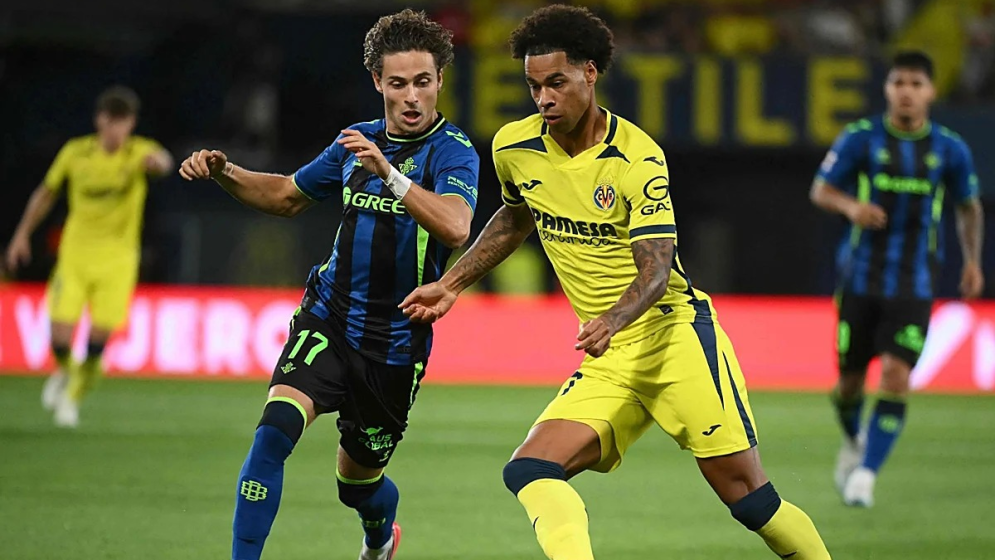
Will Samba Rhythm Captivate the World Again or Will the Vikings Make History?

Bangla Press
Published: 05 July 2026, 01:15 AM
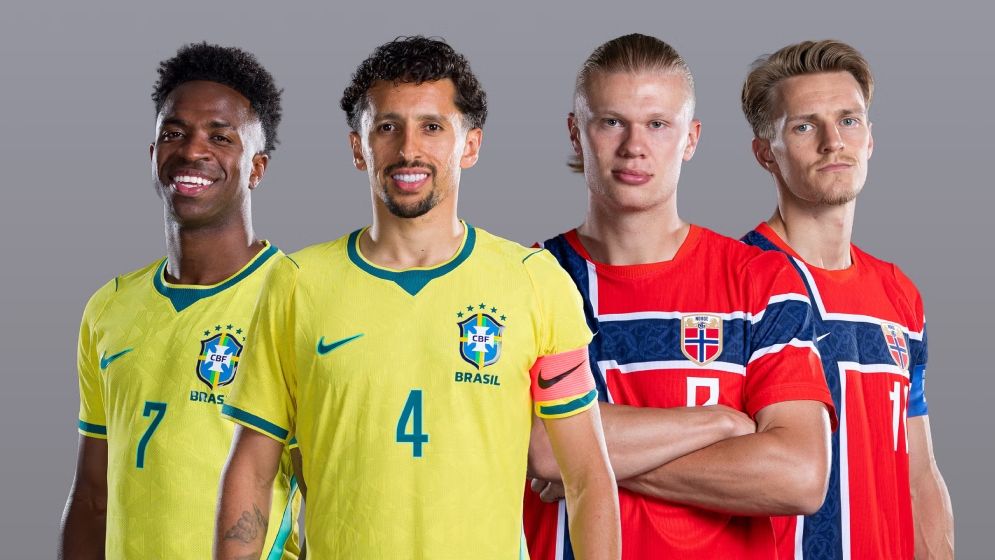
Bangla Press Desk: The knockout stage of the FIFA World Cup leaves no room for mistake. A single match, a single moment, or a single goal can alter the course of the entire tournament. Against that backdrop, one of the most fascinating Round of 16 clashes will see five-time world champions Brazil take on Europe's emerging force Norway.
This time, two contrasting football philosophies will collide on football's biggest stage—Brazil's artistic, attack-minded style against Norway's disciplined, tactically driven approach. It is not merely a contest between two teams, but a clash of two distinct football cultures.
Brazil have long been synonymous with beautiful football. The five-time world champions have transformed the sport into an art form across generations. From Pelé, Zico, Romário, Ronaldo and Ronaldinho to Neymar, Brazil's identity has been built on creativity, dazzling dribbling, high-tempo attacking football and irresistible rhythm. At the 2026 World Cup, the Seleção have once again lived up to that rich tradition.
After dominating the group stage, Brazil booked their place in the Round of 16 with a 2-1 victory over a strong Japan side in the Round of 32. Throughout the tournament, their attack has looked sharp, their midfield imaginative and their defence well organised. More importantly, their ability to dictate the tempo and force opponents to play on Brazil's terms has set them apart from the rest of the field.
Norway's journey, however, has followed a very different path. They may not possess Brazil's rich footballing heritage, but they have showcased some of the finest qualities of modern European football—discipline, physical strength, tactical and outstanding teamwork. Their 2-1 victory over Ivory Coast in the Round of 32 demonstrated that, with clinical finishing and disciplined execution, they are capable of unsettling even the strongest opponents.
Norway's greatest strengths lie in their organised defence and swift counter-attacks. Rather than dominating possession, they prefer to wait patiently for opponents to make mistakes before striking decisively. That same blueprint is likely to be on display against Brazil, with Norway aiming to remain compact defensively before launching rapid counters.
On paper, Brazil are the clear favourites. Their World Cup pedigree, star-studded squad and consistent performances all point in their favour. Yet the knockout stage has repeatedly shown that being favourites guarantees nothing. A single defensive lapse, an unfortunate decision or an extraordinary save by a goalkeeper can completely change the complexion of a match.
Brazil will be eager to dominate possession from the opening whistle and impose their trademark attacking football. Norway, meanwhile, will seek to disrupt Brazil's creative flow by slowing the tempo and maintaining defensive discipline. The battle in midfield, the effectiveness of set pieces and the resilience of both backlines could ultimately prove decisive.
Ultimately, this is about more than a place in the quarter-finals. It is a test of two contrasting football philosophies. On one side stands Brazil's samba-inspired rhythm, technical brilliance and creative flair; on the other, Norway's machine-like discipline, tactical precision and collective unity. Football fans are therefore looking forward not only to a fascinating match but also to a compelling contest between two very different approaches to the game.
Will the rhythm of samba once again captivate the world, or will a disciplined Norway script another memorable upset? The answer will unfold over 90 minutes on the pitch—or perhaps even longer if the occasion demands. Source: daily Sun
BP/TD
[Bangla Press is a global platform for free thought. It provides impartial news, analysis, and commentary for independent-minded individuals. Our goal is to bring about positive change, which is more important today than ever before.]
YOU MAY ALSO LIKE
-6aa7e6bb07a8f.webp)
Sangeet Academy