
 Bangla Press Desk: The Bangladesh government and international organisations are struggling to manage the approximately 1.3 million Rohingya refugees in 33 camps across Cox’s Bazar's Ukhiya and Teknaf. The high birth rate among the Rohingya is also posing a severe threat to the local environment. According to statistics, an average of 87 children are born every day, with total number standing at nearly 32,000 per year. This rapid population growth is increasing the density within the camps and causing various problems, including housing shortages.
The World Food Programme (WFP) has warned that without emergency funding, food assistance for Rohingya refugees in Bangladesh will be completely suspended after 30 November. The WFP stated that they urgently need funds to continue providing a minimum ration. The need for additional funding has arisen due to the rapid population increase. Officials believe this rapid growth rate is making the Rohingya crisis even more complex. A middle-aged Rohingya was recently heard saying loudly on social media, "Why should we go to Myanmar? We'll stay here (in Bangladesh) and eat dirt if we have to, but we're not leaving." Meanwhile, Rohingya are entering Bangladesh from various border points almost daily. In just the past week, two to two hundred and fifty Rohingya entered Bangladesh and are now residing in various camps. Over the past year, nearly 150,000 Rohingya have entered the country. However, border guards (BGB) responsible for the area have stated that they are only allowing sick and injured Rohingya to enter on humanitarian grounds.
During an international dialogue on the Rohingya issue, Nobel laureate Professor Dr. Muhammad Yunus stated that around 32,000 Rohingya children are born annually, and the Rohingya population has reached 1.3 million. Rohingya leader Moulvi Sayed Ahmad claims that an additional 150,000 Rohingya have entered Bangladesh in the last year. Many of these Rohingya, who have spread into the hilly areas of Cox's Bazar and Bandarban, remain outside of government counts. Local and administrative sources say that many have also settled outside of the refugee camps. Refugee Relief and Repatriation Commissioner Mohammad Mizanur Rahman said that the 33 Rohingya camps are located within 8,000 acres of forest land in the Ukhia and Teknaf upazilas. This large population is making the situation in the camps more difficult day by day. On one hand, infiltration from Myanmar has not stopped, and on the other hand, the number of newborns is increasing in every household. In this situation, there is no alternative to repatriating the Rohingya to their home country.
According to various NGOs and health workers providing health and maternity services in the camps, there is very little awareness of family planning among Rohingya families. Most families are not interested in birth control methods. Many men have multiple wives, and the average number of children per wife is seven or eight.
Bangla Press Desk: The Bangladesh government and international organisations are struggling to manage the approximately 1.3 million Rohingya refugees in 33 camps across Cox’s Bazar's Ukhiya and Teknaf. The high birth rate among the Rohingya is also posing a severe threat to the local environment. According to statistics, an average of 87 children are born every day, with total number standing at nearly 32,000 per year. This rapid population growth is increasing the density within the camps and causing various problems, including housing shortages.
The World Food Programme (WFP) has warned that without emergency funding, food assistance for Rohingya refugees in Bangladesh will be completely suspended after 30 November. The WFP stated that they urgently need funds to continue providing a minimum ration. The need for additional funding has arisen due to the rapid population increase. Officials believe this rapid growth rate is making the Rohingya crisis even more complex. A middle-aged Rohingya was recently heard saying loudly on social media, "Why should we go to Myanmar? We'll stay here (in Bangladesh) and eat dirt if we have to, but we're not leaving." Meanwhile, Rohingya are entering Bangladesh from various border points almost daily. In just the past week, two to two hundred and fifty Rohingya entered Bangladesh and are now residing in various camps. Over the past year, nearly 150,000 Rohingya have entered the country. However, border guards (BGB) responsible for the area have stated that they are only allowing sick and injured Rohingya to enter on humanitarian grounds.
During an international dialogue on the Rohingya issue, Nobel laureate Professor Dr. Muhammad Yunus stated that around 32,000 Rohingya children are born annually, and the Rohingya population has reached 1.3 million. Rohingya leader Moulvi Sayed Ahmad claims that an additional 150,000 Rohingya have entered Bangladesh in the last year. Many of these Rohingya, who have spread into the hilly areas of Cox's Bazar and Bandarban, remain outside of government counts. Local and administrative sources say that many have also settled outside of the refugee camps. Refugee Relief and Repatriation Commissioner Mohammad Mizanur Rahman said that the 33 Rohingya camps are located within 8,000 acres of forest land in the Ukhia and Teknaf upazilas. This large population is making the situation in the camps more difficult day by day. On one hand, infiltration from Myanmar has not stopped, and on the other hand, the number of newborns is increasing in every household. In this situation, there is no alternative to repatriating the Rohingya to their home country.
According to various NGOs and health workers providing health and maternity services in the camps, there is very little awareness of family planning among Rohingya families. Most families are not interested in birth control methods. Many men have multiple wives, and the average number of children per wife is seven or eight.
Number of Rohingya increasing immensely

Banglapress
Published: 23 September 2025, 10:26 AM
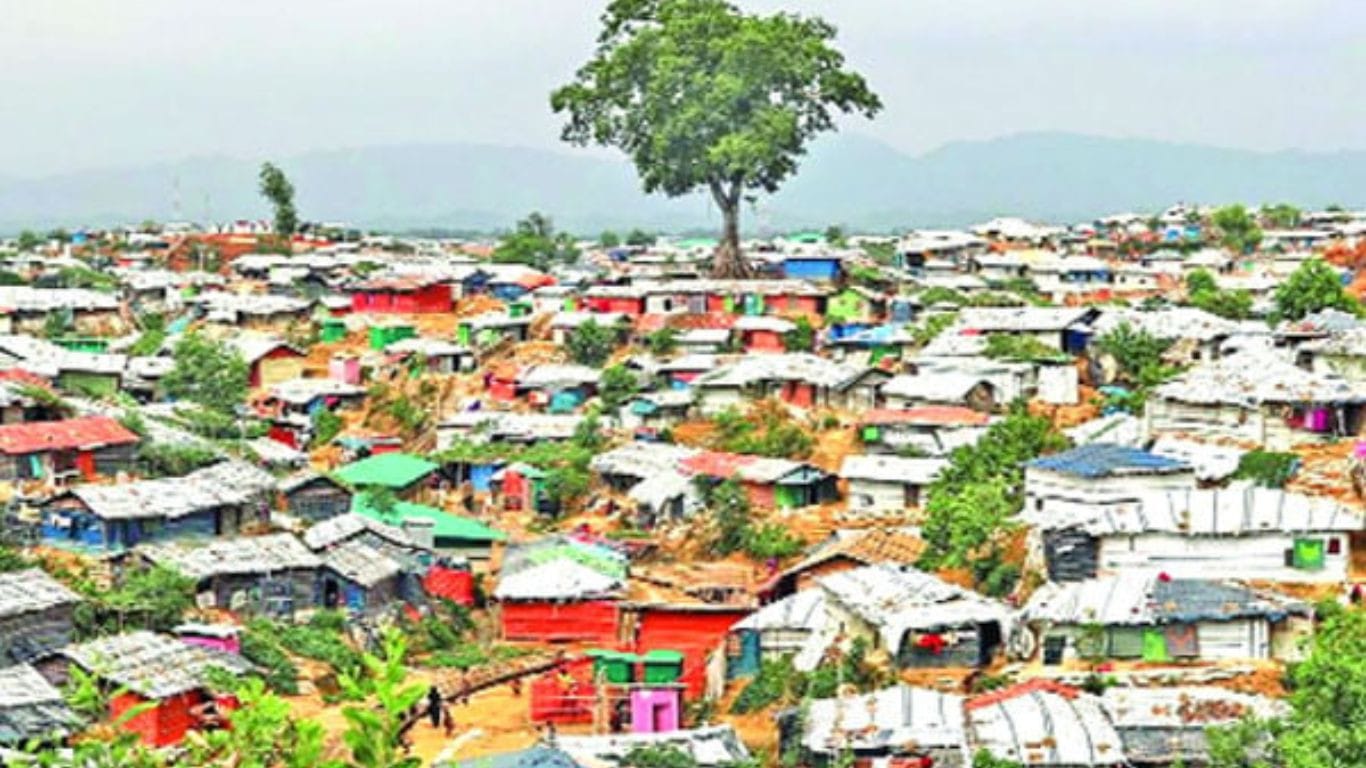 Bangla Press Desk: The Bangladesh government and international organisations are struggling to manage the approximately 1.3 million Rohingya refugees in 33 camps across Cox’s Bazar's Ukhiya and Teknaf. The high birth rate among the Rohingya is also posing a severe threat to the local environment. According to statistics, an average of 87 children are born every day, with total number standing at nearly 32,000 per year. This rapid population growth is increasing the density within the camps and causing various problems, including housing shortages.
The World Food Programme (WFP) has warned that without emergency funding, food assistance for Rohingya refugees in Bangladesh will be completely suspended after 30 November. The WFP stated that they urgently need funds to continue providing a minimum ration. The need for additional funding has arisen due to the rapid population increase. Officials believe this rapid growth rate is making the Rohingya crisis even more complex. A middle-aged Rohingya was recently heard saying loudly on social media, "Why should we go to Myanmar? We'll stay here (in Bangladesh) and eat dirt if we have to, but we're not leaving." Meanwhile, Rohingya are entering Bangladesh from various border points almost daily. In just the past week, two to two hundred and fifty Rohingya entered Bangladesh and are now residing in various camps. Over the past year, nearly 150,000 Rohingya have entered the country. However, border guards (BGB) responsible for the area have stated that they are only allowing sick and injured Rohingya to enter on humanitarian grounds.
During an international dialogue on the Rohingya issue, Nobel laureate Professor Dr. Muhammad Yunus stated that around 32,000 Rohingya children are born annually, and the Rohingya population has reached 1.3 million. Rohingya leader Moulvi Sayed Ahmad claims that an additional 150,000 Rohingya have entered Bangladesh in the last year. Many of these Rohingya, who have spread into the hilly areas of Cox's Bazar and Bandarban, remain outside of government counts. Local and administrative sources say that many have also settled outside of the refugee camps. Refugee Relief and Repatriation Commissioner Mohammad Mizanur Rahman said that the 33 Rohingya camps are located within 8,000 acres of forest land in the Ukhia and Teknaf upazilas. This large population is making the situation in the camps more difficult day by day. On one hand, infiltration from Myanmar has not stopped, and on the other hand, the number of newborns is increasing in every household. In this situation, there is no alternative to repatriating the Rohingya to their home country.
According to various NGOs and health workers providing health and maternity services in the camps, there is very little awareness of family planning among Rohingya families. Most families are not interested in birth control methods. Many men have multiple wives, and the average number of children per wife is seven or eight.
Bangla Press Desk: The Bangladesh government and international organisations are struggling to manage the approximately 1.3 million Rohingya refugees in 33 camps across Cox’s Bazar's Ukhiya and Teknaf. The high birth rate among the Rohingya is also posing a severe threat to the local environment. According to statistics, an average of 87 children are born every day, with total number standing at nearly 32,000 per year. This rapid population growth is increasing the density within the camps and causing various problems, including housing shortages.
The World Food Programme (WFP) has warned that without emergency funding, food assistance for Rohingya refugees in Bangladesh will be completely suspended after 30 November. The WFP stated that they urgently need funds to continue providing a minimum ration. The need for additional funding has arisen due to the rapid population increase. Officials believe this rapid growth rate is making the Rohingya crisis even more complex. A middle-aged Rohingya was recently heard saying loudly on social media, "Why should we go to Myanmar? We'll stay here (in Bangladesh) and eat dirt if we have to, but we're not leaving." Meanwhile, Rohingya are entering Bangladesh from various border points almost daily. In just the past week, two to two hundred and fifty Rohingya entered Bangladesh and are now residing in various camps. Over the past year, nearly 150,000 Rohingya have entered the country. However, border guards (BGB) responsible for the area have stated that they are only allowing sick and injured Rohingya to enter on humanitarian grounds.
During an international dialogue on the Rohingya issue, Nobel laureate Professor Dr. Muhammad Yunus stated that around 32,000 Rohingya children are born annually, and the Rohingya population has reached 1.3 million. Rohingya leader Moulvi Sayed Ahmad claims that an additional 150,000 Rohingya have entered Bangladesh in the last year. Many of these Rohingya, who have spread into the hilly areas of Cox's Bazar and Bandarban, remain outside of government counts. Local and administrative sources say that many have also settled outside of the refugee camps. Refugee Relief and Repatriation Commissioner Mohammad Mizanur Rahman said that the 33 Rohingya camps are located within 8,000 acres of forest land in the Ukhia and Teknaf upazilas. This large population is making the situation in the camps more difficult day by day. On one hand, infiltration from Myanmar has not stopped, and on the other hand, the number of newborns is increasing in every household. In this situation, there is no alternative to repatriating the Rohingya to their home country.
According to various NGOs and health workers providing health and maternity services in the camps, there is very little awareness of family planning among Rohingya families. Most families are not interested in birth control methods. Many men have multiple wives, and the average number of children per wife is seven or eight.
[Bangla Press is a global platform for free thought. It provides impartial news, analysis, and commentary for independent-minded individuals. Our goal is to bring about positive change, which is more important today than ever before.]
YOU MAY ALSO LIKE
Bangladesh
The Constitution is obligated to ensure the security of followers of all religions: Home Minister
13 hours ago
by Bangla Press
.jpg)
Bangladesh
Bangladesh to seek the return of Sheikh Hasina during talks with India
13 hours ago
by Bangla Press
.jpg)
.jpg)
Bangladesh
Celebrate the festival with peace of mind and in safety: Prime Minister
13 hours ago
by Bangla Press
.jpg)
Bangladesh
107 flights canceled on Dhaka-Saudi route, more than 16 thousand passengers suffer
13 hours ago
by Bangla Press

Bangladesh
Saleh Shibli claims 410 pieces of misinformation were spread against the Prime Minister over 9 months.
13 hours ago
by Bangla Press
Sangeet Academy