
 Bangla Press Desk: In a bustling suburb adjacent to Kolkata, hundreds of commercial complexes teem with crowds day and night. Among them, one such commercial building has recently seen visitors not previously known in the area. Most regular occupants of this business space don't recognise these new faces — and understandably so.
Many of these individuals, until just a year ago, were among the most powerful figures in Bangladeshi politics. They include senior and mid-level leaders of the Awami League and its affiliated organisations. In the very commercial complex where they’ve been regularly seen over the past few months, the Bangladesh Awami League has set up a ‘party office’.
This party office is a recent development. After Sheikh Hasina left Bangladesh on 5 August 2024, Awami League leaders and activists based in India used their homes for informal meetings and organisational tasks. Larger meetings had to be held by renting restaurants or banquet halls. Leaders say this made having a designated party office a necessity.
What is the 'party office' like?
Bangla Press Desk: In a bustling suburb adjacent to Kolkata, hundreds of commercial complexes teem with crowds day and night. Among them, one such commercial building has recently seen visitors not previously known in the area. Most regular occupants of this business space don't recognise these new faces — and understandably so.
Many of these individuals, until just a year ago, were among the most powerful figures in Bangladeshi politics. They include senior and mid-level leaders of the Awami League and its affiliated organisations. In the very commercial complex where they’ve been regularly seen over the past few months, the Bangladesh Awami League has set up a ‘party office’.
This party office is a recent development. After Sheikh Hasina left Bangladesh on 5 August 2024, Awami League leaders and activists based in India used their homes for informal meetings and organisational tasks. Larger meetings had to be held by renting restaurants or banquet halls. Leaders say this made having a designated party office a necessity.
What is the 'party office' like?
Awami League operations continue with a ‘party office’ in Kolkata

Banglapress
Published: 23 September 2025, 10:25 AM
 Bangla Press Desk: In a bustling suburb adjacent to Kolkata, hundreds of commercial complexes teem with crowds day and night. Among them, one such commercial building has recently seen visitors not previously known in the area. Most regular occupants of this business space don't recognise these new faces — and understandably so.
Many of these individuals, until just a year ago, were among the most powerful figures in Bangladeshi politics. They include senior and mid-level leaders of the Awami League and its affiliated organisations. In the very commercial complex where they’ve been regularly seen over the past few months, the Bangladesh Awami League has set up a ‘party office’.
This party office is a recent development. After Sheikh Hasina left Bangladesh on 5 August 2024, Awami League leaders and activists based in India used their homes for informal meetings and organisational tasks. Larger meetings had to be held by renting restaurants or banquet halls. Leaders say this made having a designated party office a necessity.
What is the 'party office' like?
Bangla Press Desk: In a bustling suburb adjacent to Kolkata, hundreds of commercial complexes teem with crowds day and night. Among them, one such commercial building has recently seen visitors not previously known in the area. Most regular occupants of this business space don't recognise these new faces — and understandably so.
Many of these individuals, until just a year ago, were among the most powerful figures in Bangladeshi politics. They include senior and mid-level leaders of the Awami League and its affiliated organisations. In the very commercial complex where they’ve been regularly seen over the past few months, the Bangladesh Awami League has set up a ‘party office’.
This party office is a recent development. After Sheikh Hasina left Bangladesh on 5 August 2024, Awami League leaders and activists based in India used their homes for informal meetings and organisational tasks. Larger meetings had to be held by renting restaurants or banquet halls. Leaders say this made having a designated party office a necessity.
What is the 'party office' like?
[Bangla Press is a global platform for free thought. It provides impartial news, analysis, and commentary for independent-minded individuals. Our goal is to bring about positive change, which is more important today than ever before.]
YOU MAY ALSO LIKE
Politics
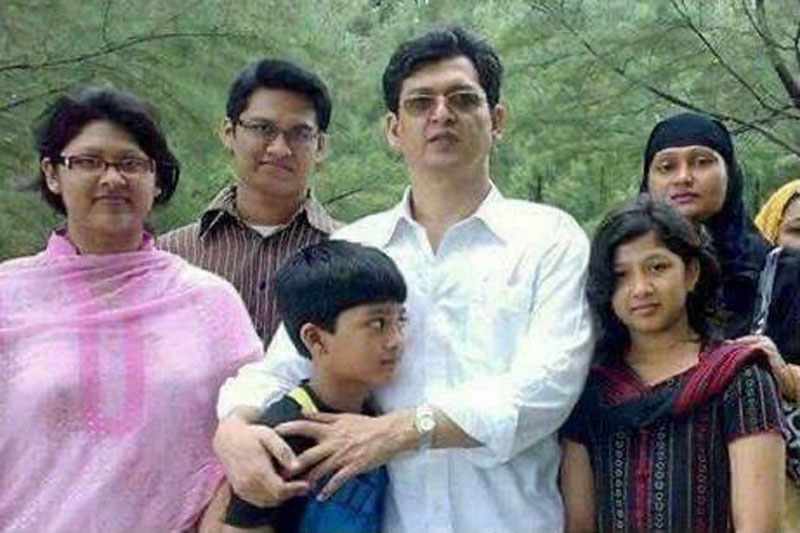
From BCS Cadre Officer to Home Minister: Salahuddin Ahmed’s Political Journey and His Family’s Path to Success
2 hours ago
by Bangla Press
-6ab3842955219.webp)
Politics
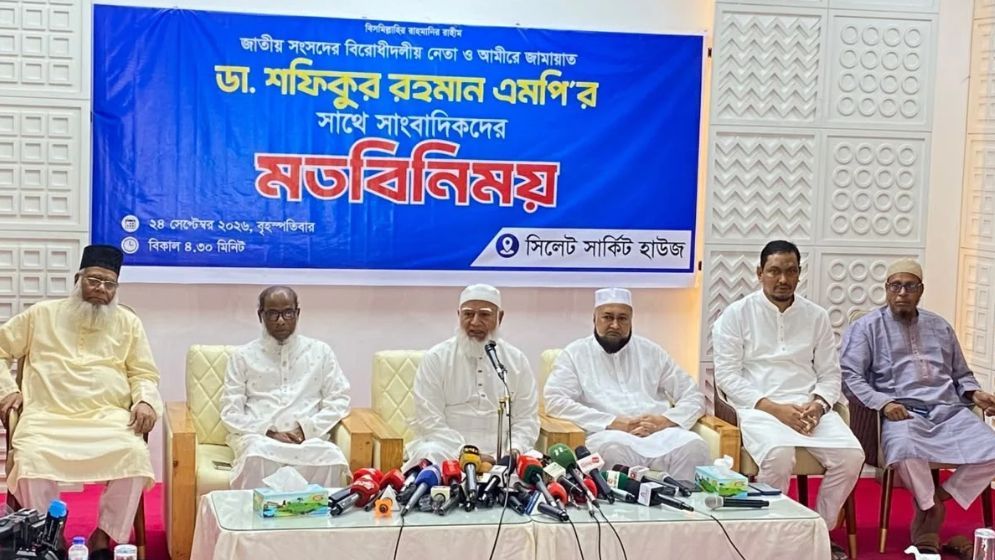
"Bring your admit card after passing the written test; I’ll make the necessary calls."
3 days ago
by Bangla Press

Politics
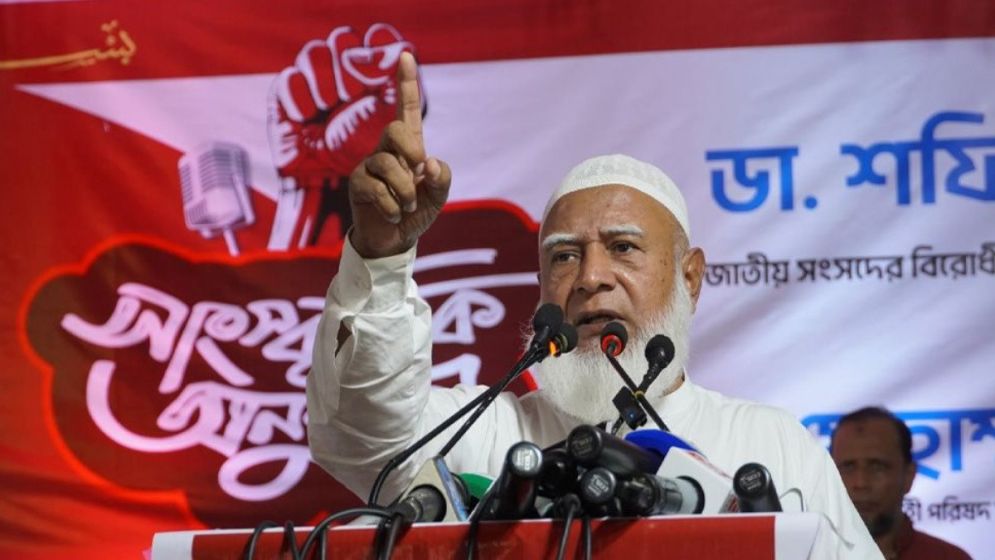
11-Party Alliance’s Eight Demands Serve People’s Interests, Says Shafiqur
1 week ago
by Bangla Press

Politics
DRU has played a significant role in achieving the country's democracy: Rizvi
2 weeks ago
by Bangla Press
Sangeet Academy