
 Bangla Press Desk: Reaffirming the interim government’s commitment to holding a celebratory national election in February 2026, Chief Adviser Prof Muhammad Yunus on Sunday stressed that political parties must reach a consensus without fail to ensure the success of the journey towards a “New Bangladesh.”
“We keep emphasising this: the upcoming election should be a moment of celebration. If the remaining issues are resolved, it will be a grand national festival – a true rebirth of the nation. This is more than just an election; it is a celebration for all Bangladeshis,” he said, urging all political parties to work together to complete the final steps.
Prof Yunus added that the world will be watching closely the approach Bangladesh takes on its road to the next national election in February.
He said the progress made by political parties through the National Consensus Commission (NCC) would serve as a model not only for Bangladesh but for the entire world.
Bangla Press Desk: Reaffirming the interim government’s commitment to holding a celebratory national election in February 2026, Chief Adviser Prof Muhammad Yunus on Sunday stressed that political parties must reach a consensus without fail to ensure the success of the journey towards a “New Bangladesh.”
“We keep emphasising this: the upcoming election should be a moment of celebration. If the remaining issues are resolved, it will be a grand national festival – a true rebirth of the nation. This is more than just an election; it is a celebration for all Bangladeshis,” he said, urging all political parties to work together to complete the final steps.
Prof Yunus added that the world will be watching closely the approach Bangladesh takes on its road to the next national election in February.
He said the progress made by political parties through the National Consensus Commission (NCC) would serve as a model not only for Bangladesh but for the entire world.
Fair, festive February polls depend on consensus

Banglapress
Published: 23 September 2025, 10:26 AM
 Bangla Press Desk: Reaffirming the interim government’s commitment to holding a celebratory national election in February 2026, Chief Adviser Prof Muhammad Yunus on Sunday stressed that political parties must reach a consensus without fail to ensure the success of the journey towards a “New Bangladesh.”
“We keep emphasising this: the upcoming election should be a moment of celebration. If the remaining issues are resolved, it will be a grand national festival – a true rebirth of the nation. This is more than just an election; it is a celebration for all Bangladeshis,” he said, urging all political parties to work together to complete the final steps.
Prof Yunus added that the world will be watching closely the approach Bangladesh takes on its road to the next national election in February.
He said the progress made by political parties through the National Consensus Commission (NCC) would serve as a model not only for Bangladesh but for the entire world.
Bangla Press Desk: Reaffirming the interim government’s commitment to holding a celebratory national election in February 2026, Chief Adviser Prof Muhammad Yunus on Sunday stressed that political parties must reach a consensus without fail to ensure the success of the journey towards a “New Bangladesh.”
“We keep emphasising this: the upcoming election should be a moment of celebration. If the remaining issues are resolved, it will be a grand national festival – a true rebirth of the nation. This is more than just an election; it is a celebration for all Bangladeshis,” he said, urging all political parties to work together to complete the final steps.
Prof Yunus added that the world will be watching closely the approach Bangladesh takes on its road to the next national election in February.
He said the progress made by political parties through the National Consensus Commission (NCC) would serve as a model not only for Bangladesh but for the entire world.
[Bangla Press is a global platform for free thought. It provides impartial news, analysis, and commentary for independent-minded individuals. Our goal is to bring about positive change, which is more important today than ever before.]
YOU MAY ALSO LIKE
Politics
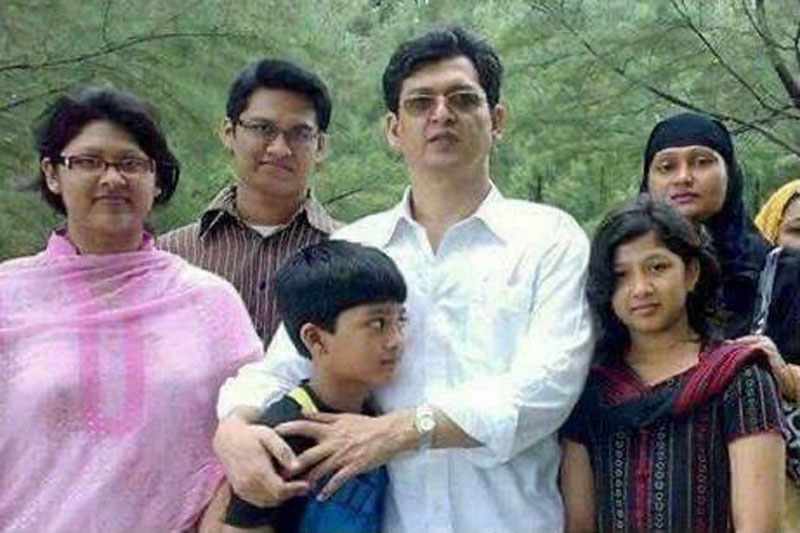
From BCS Cadre Officer to Home Minister: Salahuddin Ahmed’s Political Journey and His Family’s Path to Success
1 day ago
by Bangla Press
-6ab3842955219.webp)
Politics
"Bring your admit card after passing the written test; I’ll make the necessary calls."
5 days ago
by Bangla Press

Politics
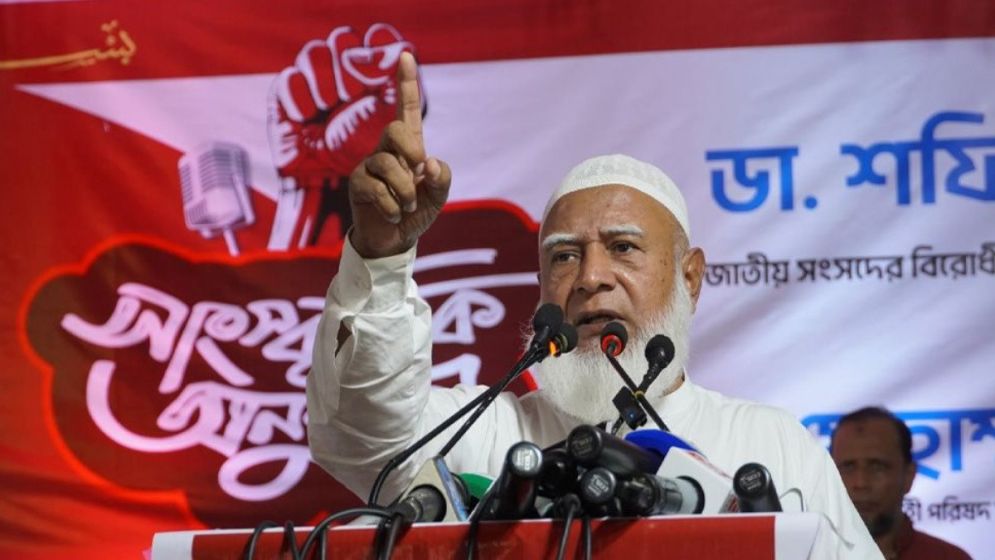
11-Party Alliance’s Eight Demands Serve People’s Interests, Says Shafiqur
1 week ago
by Bangla Press

Politics
DRU has played a significant role in achieving the country's democracy: Rizvi
2 weeks ago
by Bangla Press
Sangeet Academy