
 Bangla Press Desk: BNP’s acting chairman Tarique Rahman is not merely a prominent figure within the country’s principal opposition party. He is, to many, the ultimate destination for Bangladesh’s democracy-loving populace. A steadfast believer in democratic principles, he embodies and practices those ideals in both his politics and personal commitment.
In the vacuum left by the decline of participatory politics in Bangladesh, Tarique Rahman remains the only political leader today with the credibility, will, and record to restore and uphold true democracy.
Following the legacy of Begum Khaleda Zia, the only politician in the region who, like her, bears the democratic standard in both conviction and action, Tarique Rahman stands as a pivotal figure in South Asian democratic struggle.
A natural democrat by upbringing and ideology, his leadership is not just a political necessity; it is a moral one.
The people owe it to themselves to nurture and protect this leader, just as he assumes responsibility for the aspirations of the people. Without him, the democratic future of Bangladesh appears precarious.
Academically, democracy derives from the Greek terms “demos” (people) and “kratos” (rule). As per Abraham Lincoln’s famed definition, it is “government of the people, by the people, for the people.” Aristotle framed it more simply as the collective freedom of citizens.
Bangladesh has seen this freedom repeatedly stifled – each time rekindled through mass movements led by the BNP, often at great cost.
Following the collapse of the one-party BAKSAL regime in 1975, Ziaur Rahman institutionalised the return to multi-party democracy, culminating in the 1979 general election – the first credible democratic exercise in the post-BAKSAL era. Later, Khaleda Zia led the movement that unseated autocrat HM Ershad and reinstated electoral politics.
Bangla Press Desk: BNP’s acting chairman Tarique Rahman is not merely a prominent figure within the country’s principal opposition party. He is, to many, the ultimate destination for Bangladesh’s democracy-loving populace. A steadfast believer in democratic principles, he embodies and practices those ideals in both his politics and personal commitment.
In the vacuum left by the decline of participatory politics in Bangladesh, Tarique Rahman remains the only political leader today with the credibility, will, and record to restore and uphold true democracy.
Following the legacy of Begum Khaleda Zia, the only politician in the region who, like her, bears the democratic standard in both conviction and action, Tarique Rahman stands as a pivotal figure in South Asian democratic struggle.
A natural democrat by upbringing and ideology, his leadership is not just a political necessity; it is a moral one.
The people owe it to themselves to nurture and protect this leader, just as he assumes responsibility for the aspirations of the people. Without him, the democratic future of Bangladesh appears precarious.
Academically, democracy derives from the Greek terms “demos” (people) and “kratos” (rule). As per Abraham Lincoln’s famed definition, it is “government of the people, by the people, for the people.” Aristotle framed it more simply as the collective freedom of citizens.
Bangladesh has seen this freedom repeatedly stifled – each time rekindled through mass movements led by the BNP, often at great cost.
Following the collapse of the one-party BAKSAL regime in 1975, Ziaur Rahman institutionalised the return to multi-party democracy, culminating in the 1979 general election – the first credible democratic exercise in the post-BAKSAL era. Later, Khaleda Zia led the movement that unseated autocrat HM Ershad and reinstated electoral politics.
Tarique Rahman: The heartbeat of democratic Bangladesh

Banglapress
Published: 23 September 2025, 10:25 AM
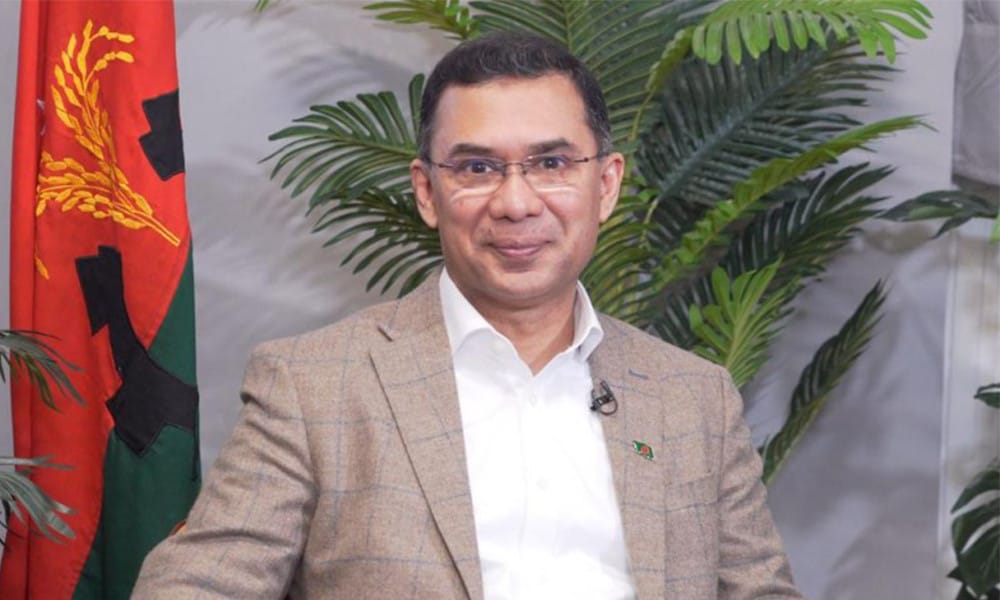 Bangla Press Desk: BNP’s acting chairman Tarique Rahman is not merely a prominent figure within the country’s principal opposition party. He is, to many, the ultimate destination for Bangladesh’s democracy-loving populace. A steadfast believer in democratic principles, he embodies and practices those ideals in both his politics and personal commitment.
In the vacuum left by the decline of participatory politics in Bangladesh, Tarique Rahman remains the only political leader today with the credibility, will, and record to restore and uphold true democracy.
Following the legacy of Begum Khaleda Zia, the only politician in the region who, like her, bears the democratic standard in both conviction and action, Tarique Rahman stands as a pivotal figure in South Asian democratic struggle.
A natural democrat by upbringing and ideology, his leadership is not just a political necessity; it is a moral one.
The people owe it to themselves to nurture and protect this leader, just as he assumes responsibility for the aspirations of the people. Without him, the democratic future of Bangladesh appears precarious.
Academically, democracy derives from the Greek terms “demos” (people) and “kratos” (rule). As per Abraham Lincoln’s famed definition, it is “government of the people, by the people, for the people.” Aristotle framed it more simply as the collective freedom of citizens.
Bangladesh has seen this freedom repeatedly stifled – each time rekindled through mass movements led by the BNP, often at great cost.
Following the collapse of the one-party BAKSAL regime in 1975, Ziaur Rahman institutionalised the return to multi-party democracy, culminating in the 1979 general election – the first credible democratic exercise in the post-BAKSAL era. Later, Khaleda Zia led the movement that unseated autocrat HM Ershad and reinstated electoral politics.
Bangla Press Desk: BNP’s acting chairman Tarique Rahman is not merely a prominent figure within the country’s principal opposition party. He is, to many, the ultimate destination for Bangladesh’s democracy-loving populace. A steadfast believer in democratic principles, he embodies and practices those ideals in both his politics and personal commitment.
In the vacuum left by the decline of participatory politics in Bangladesh, Tarique Rahman remains the only political leader today with the credibility, will, and record to restore and uphold true democracy.
Following the legacy of Begum Khaleda Zia, the only politician in the region who, like her, bears the democratic standard in both conviction and action, Tarique Rahman stands as a pivotal figure in South Asian democratic struggle.
A natural democrat by upbringing and ideology, his leadership is not just a political necessity; it is a moral one.
The people owe it to themselves to nurture and protect this leader, just as he assumes responsibility for the aspirations of the people. Without him, the democratic future of Bangladesh appears precarious.
Academically, democracy derives from the Greek terms “demos” (people) and “kratos” (rule). As per Abraham Lincoln’s famed definition, it is “government of the people, by the people, for the people.” Aristotle framed it more simply as the collective freedom of citizens.
Bangladesh has seen this freedom repeatedly stifled – each time rekindled through mass movements led by the BNP, often at great cost.
Following the collapse of the one-party BAKSAL regime in 1975, Ziaur Rahman institutionalised the return to multi-party democracy, culminating in the 1979 general election – the first credible democratic exercise in the post-BAKSAL era. Later, Khaleda Zia led the movement that unseated autocrat HM Ershad and reinstated electoral politics.
[Bangla Press is a global platform for free thought. It provides impartial news, analysis, and commentary for independent-minded individuals. Our goal is to bring about positive change, which is more important today than ever before.]
YOU MAY ALSO LIKE
-6ab3842955219.webp)
Politics
"Bring your admit card after passing the written test; I’ll make the necessary calls."
1 day ago
by Bangla Press
Politics
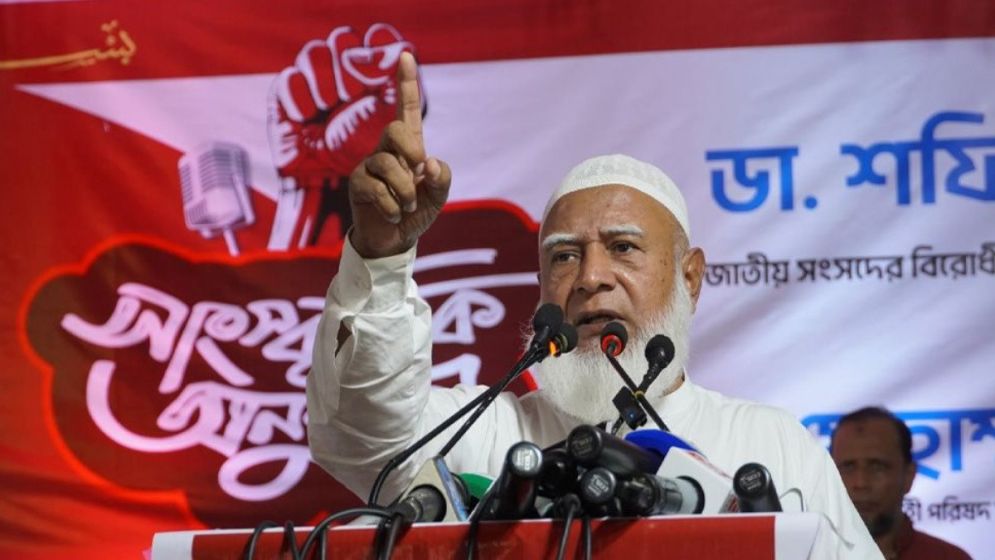
11-Party Alliance’s Eight Demands Serve People’s Interests, Says Shafiqur
5 days ago
by Bangla Press

Politics
DRU has played a significant role in achieving the country's democracy: Rizvi
2 weeks ago
by Bangla Press
Politics
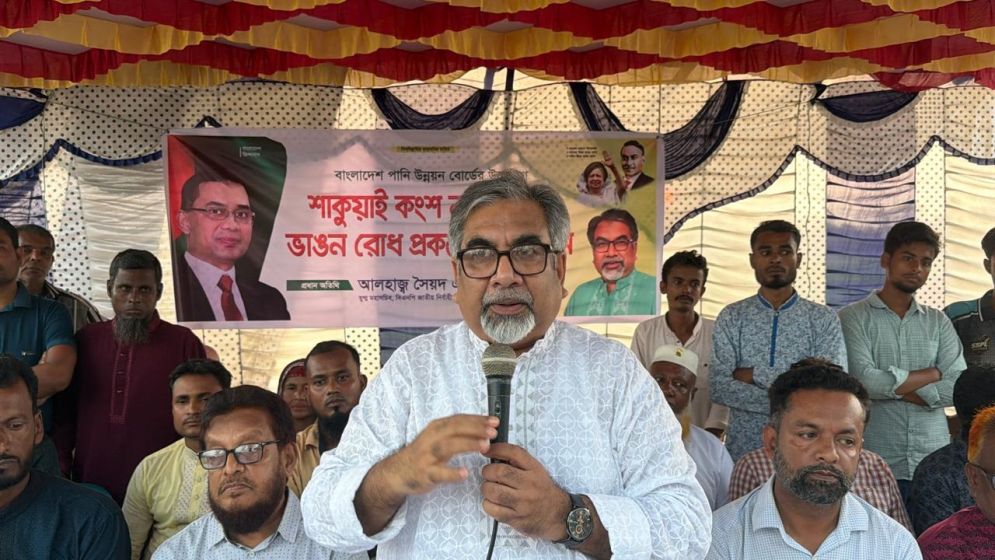
Prince Says Opposition’s December Movement Threat Echoes Past Events
2 weeks ago
by Bangla Press
Sangeet Academy